
ORATORY IN THREE PARTS
Libretto by Charles Jennens
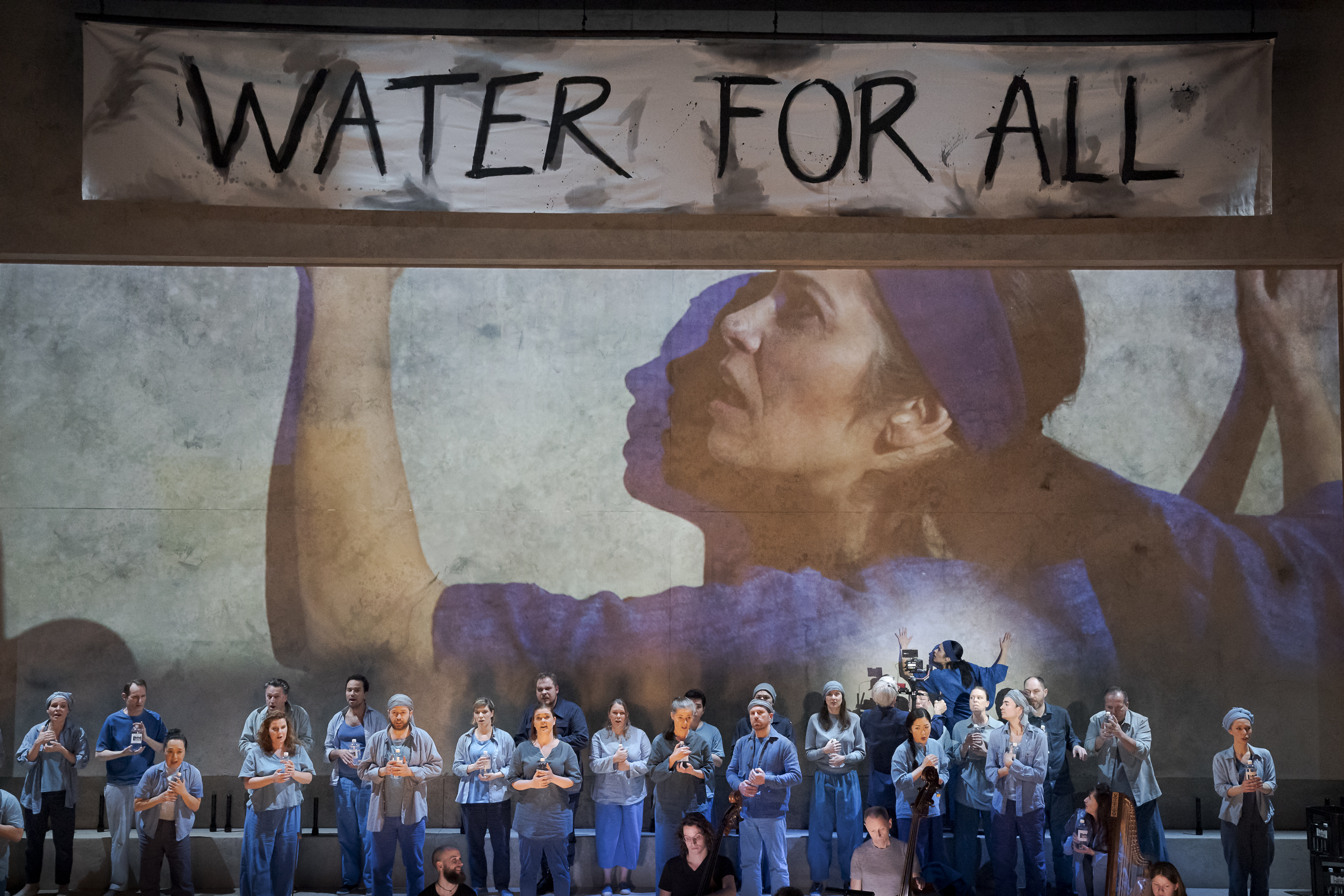
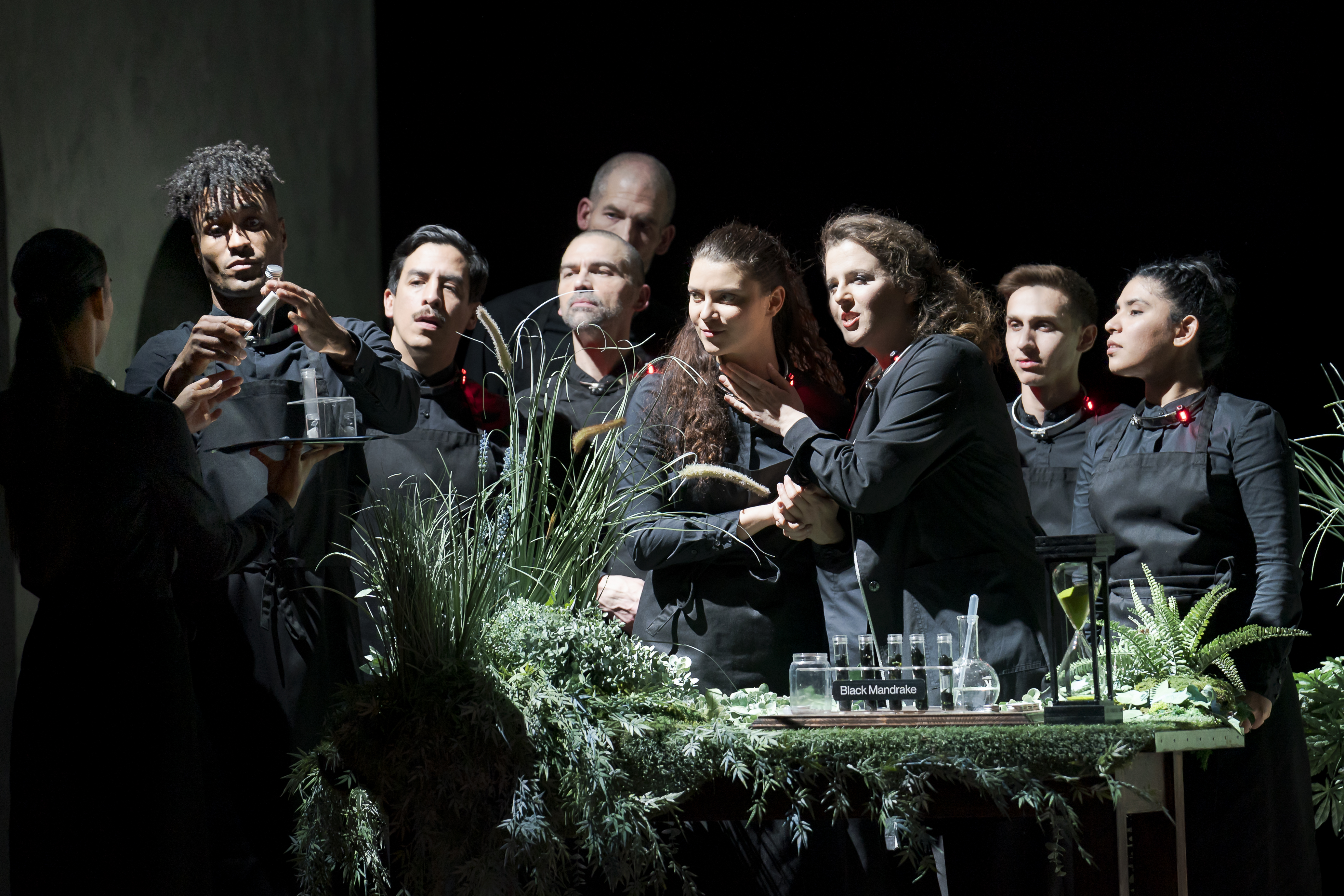
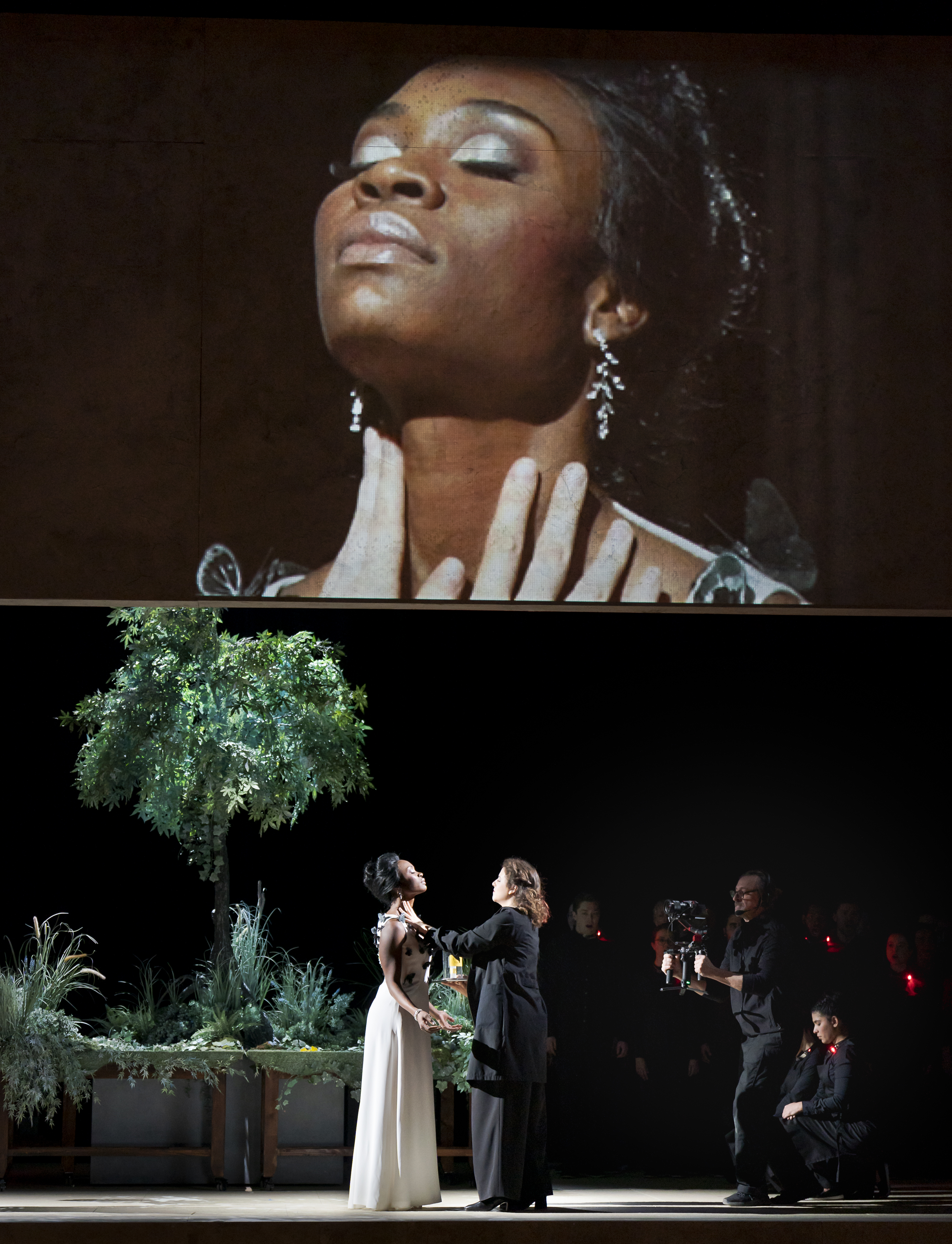
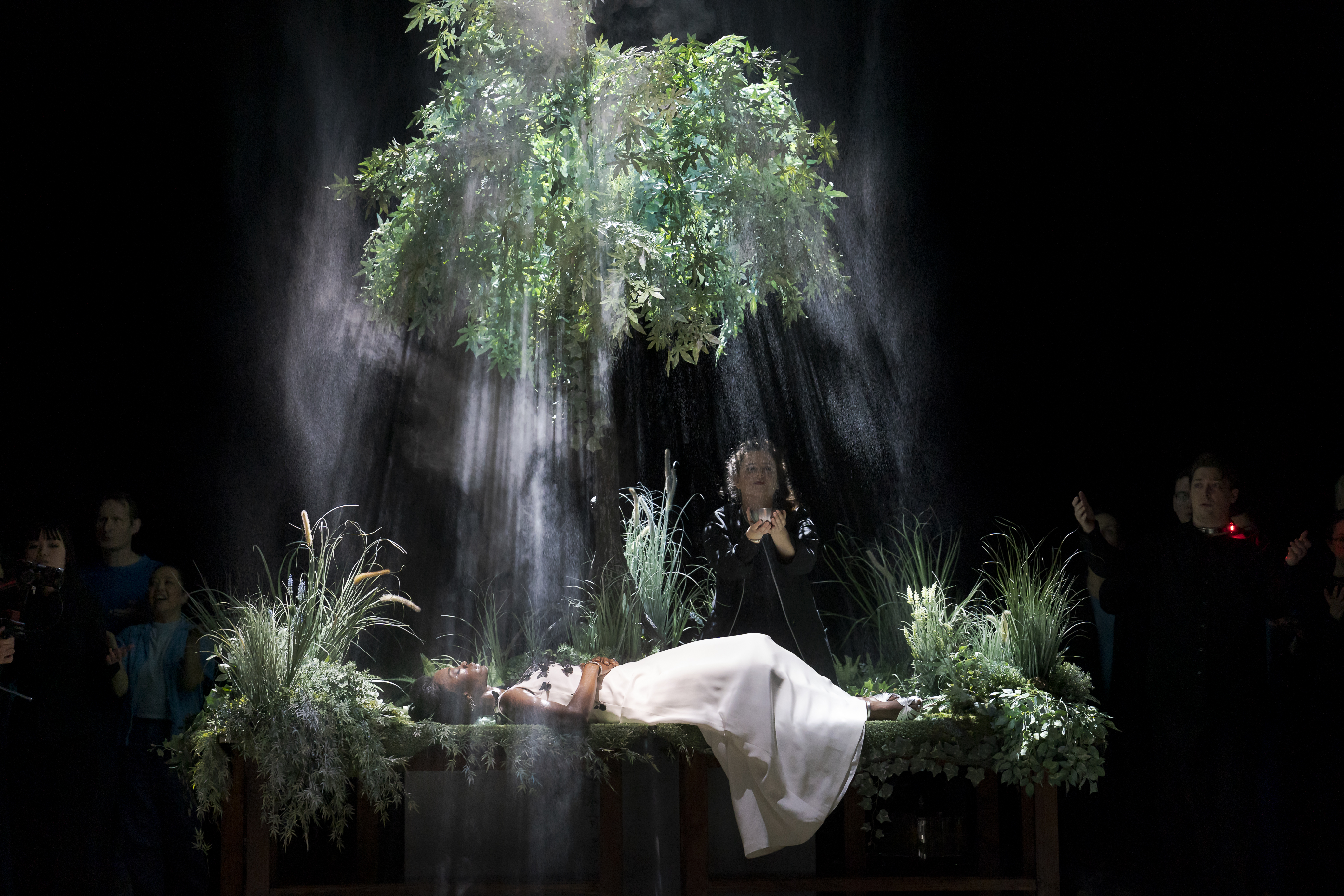
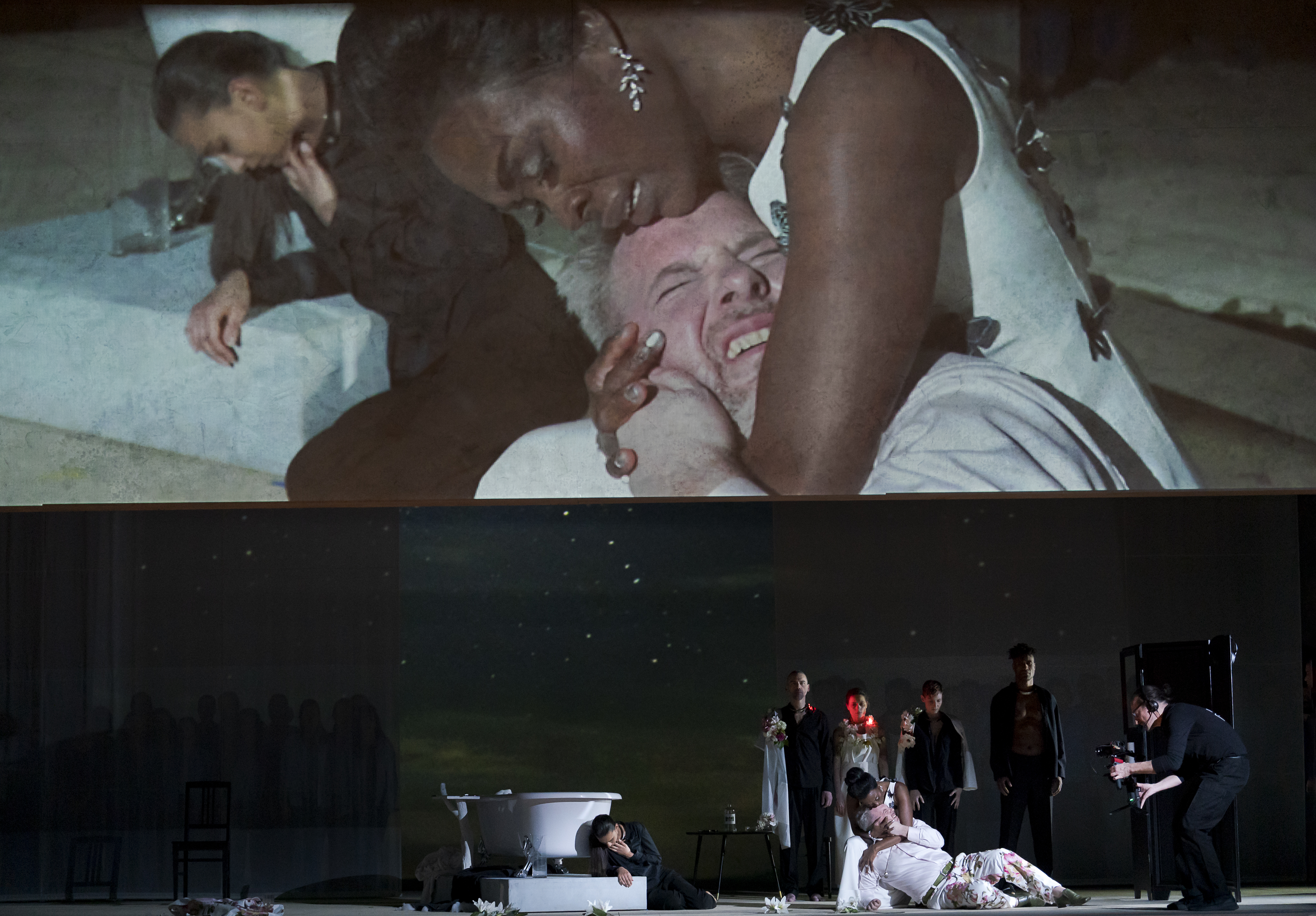
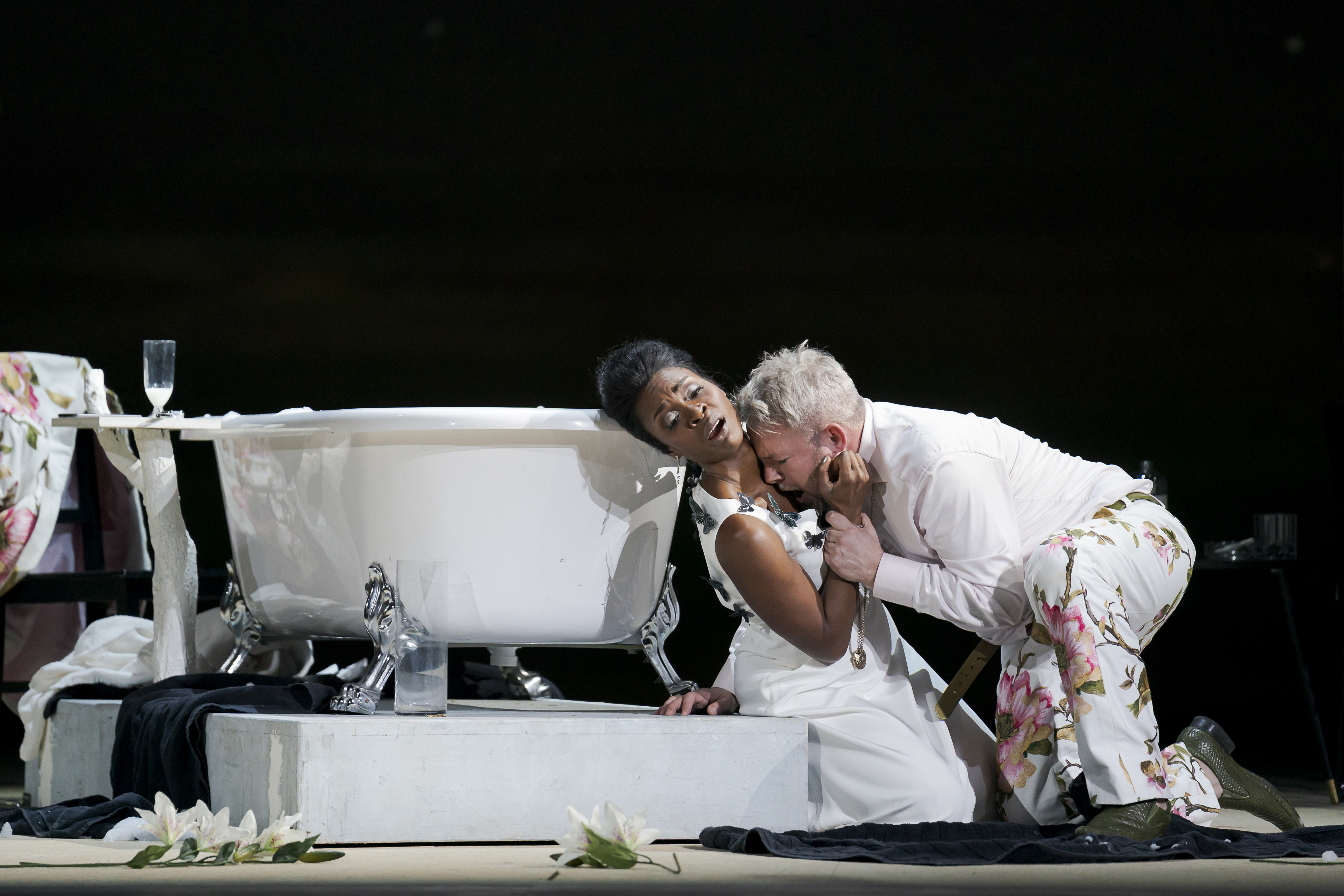
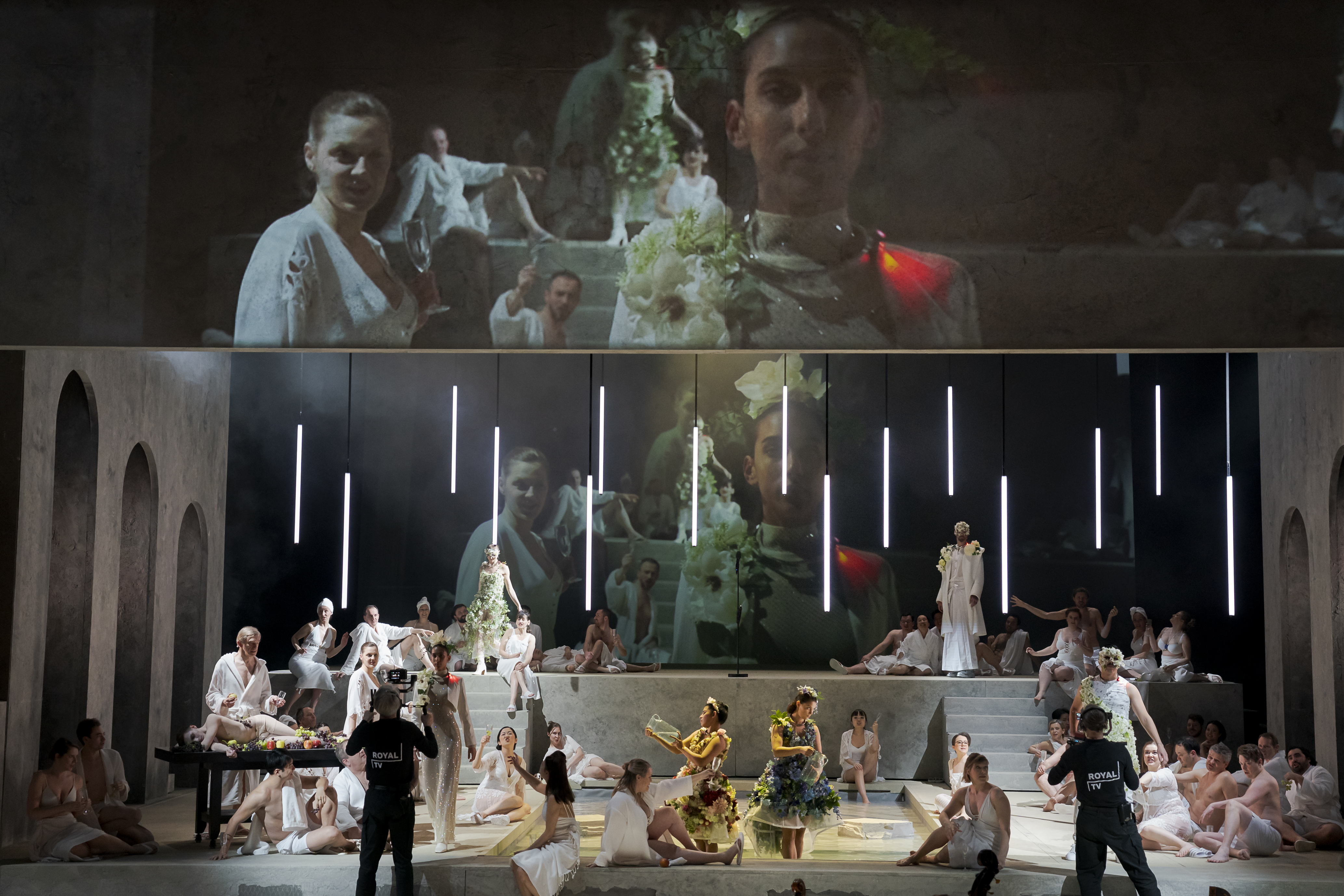
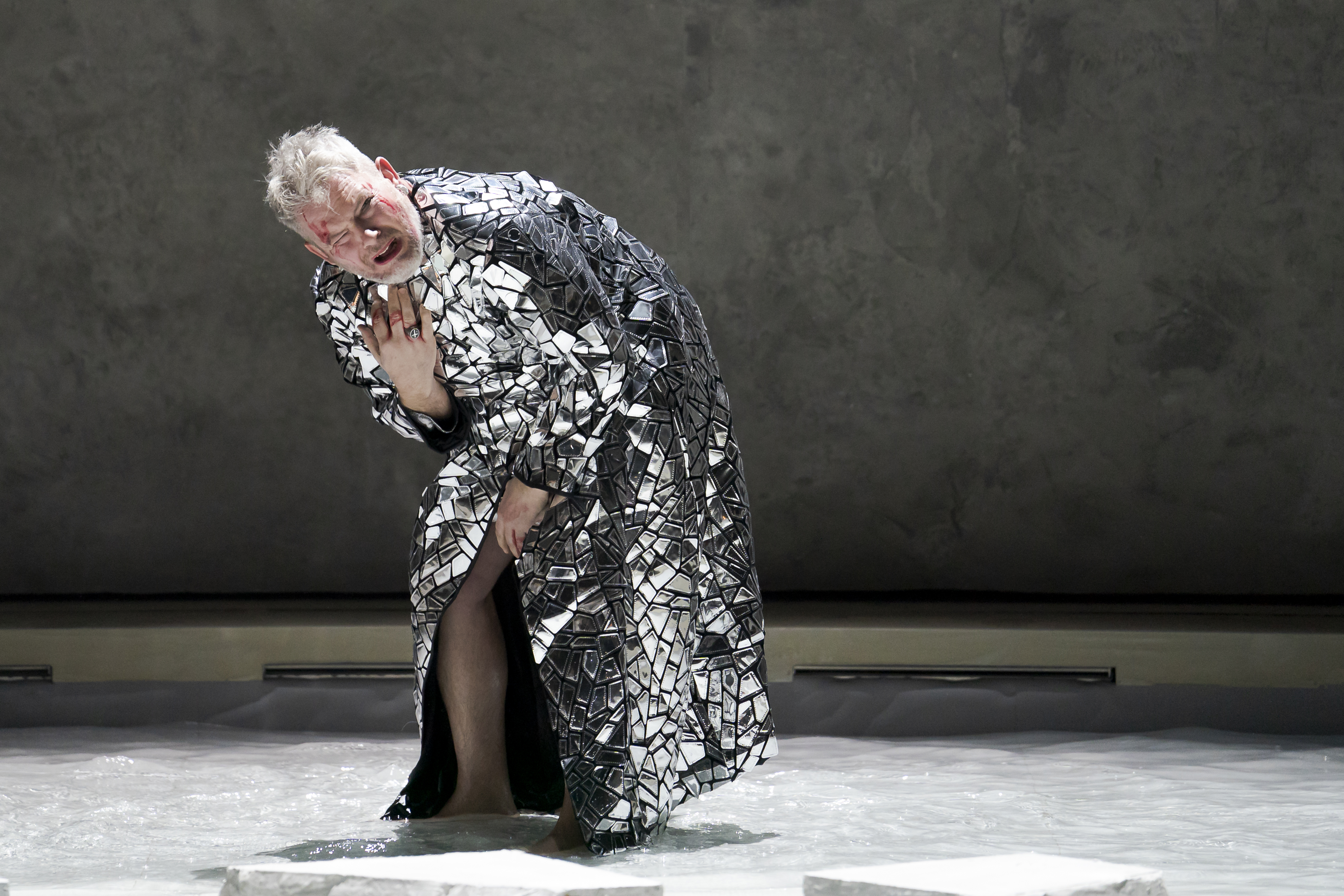
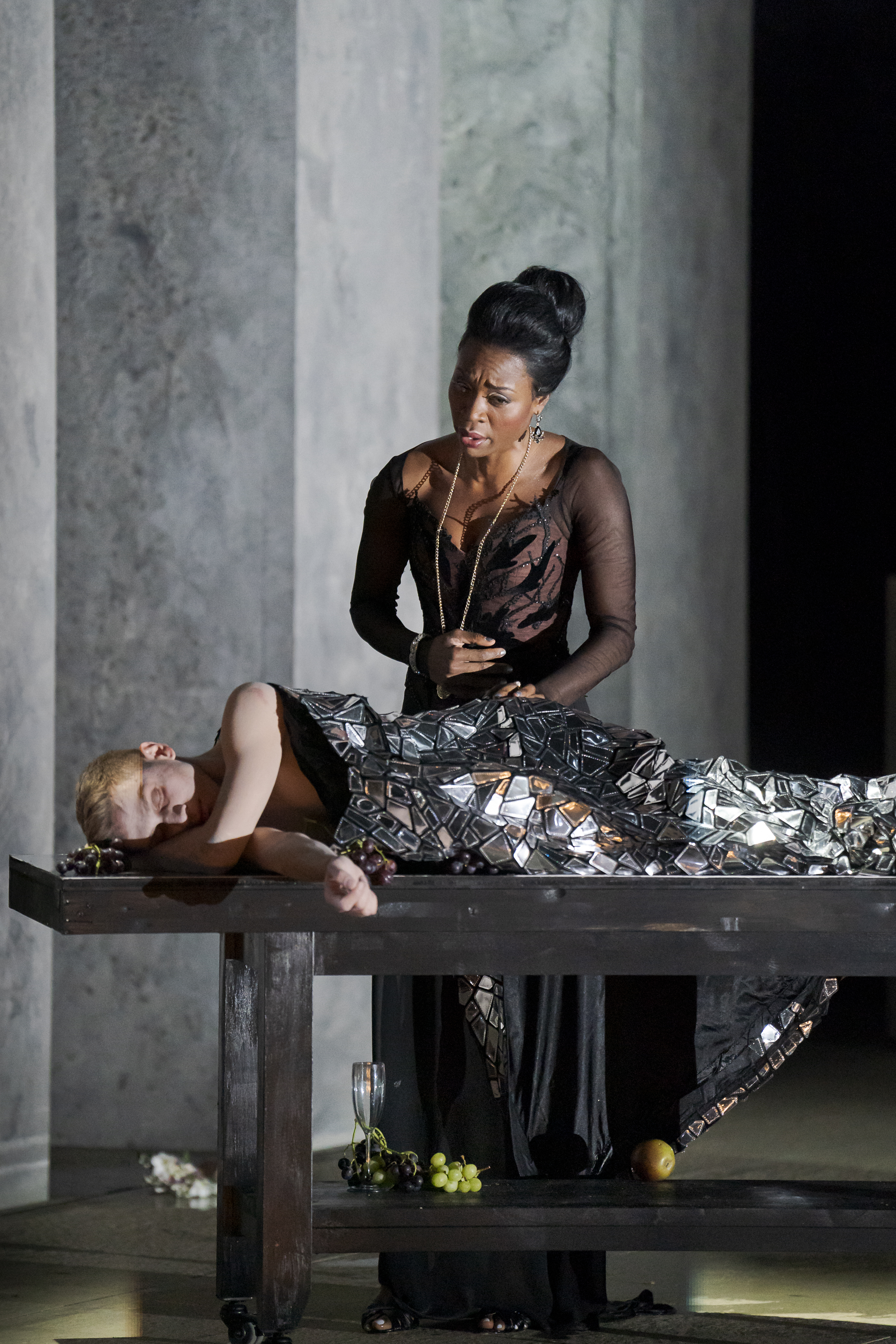
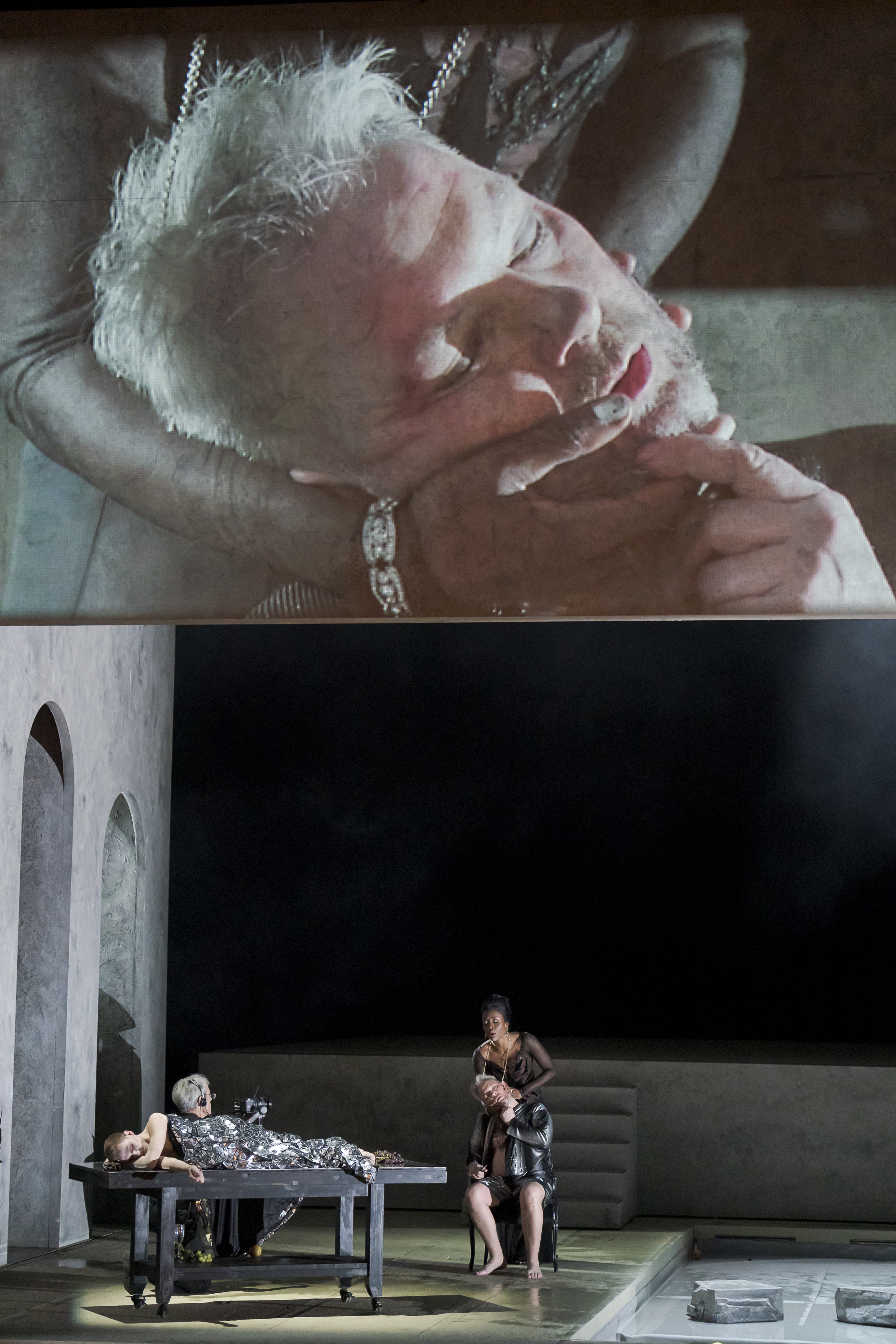
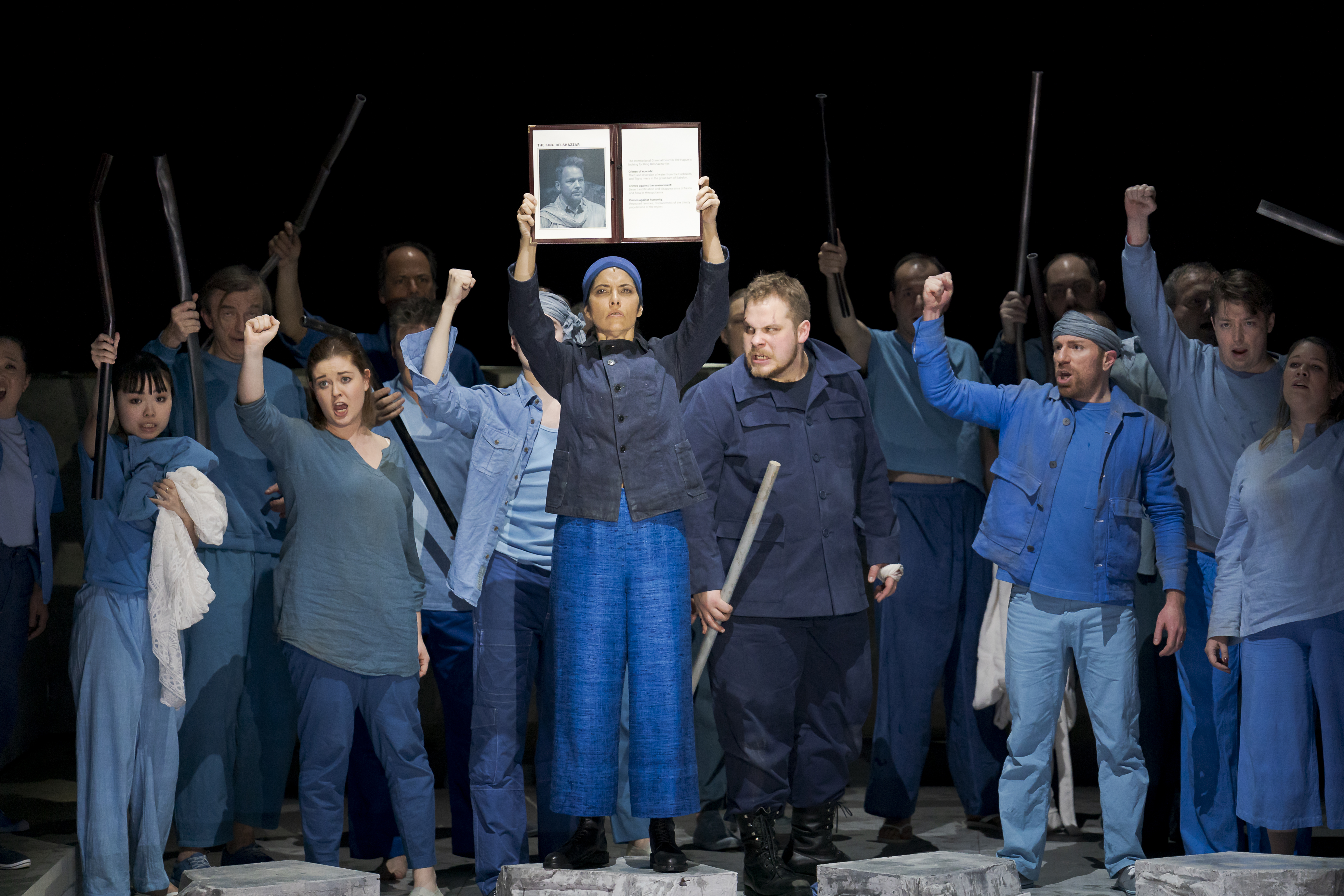
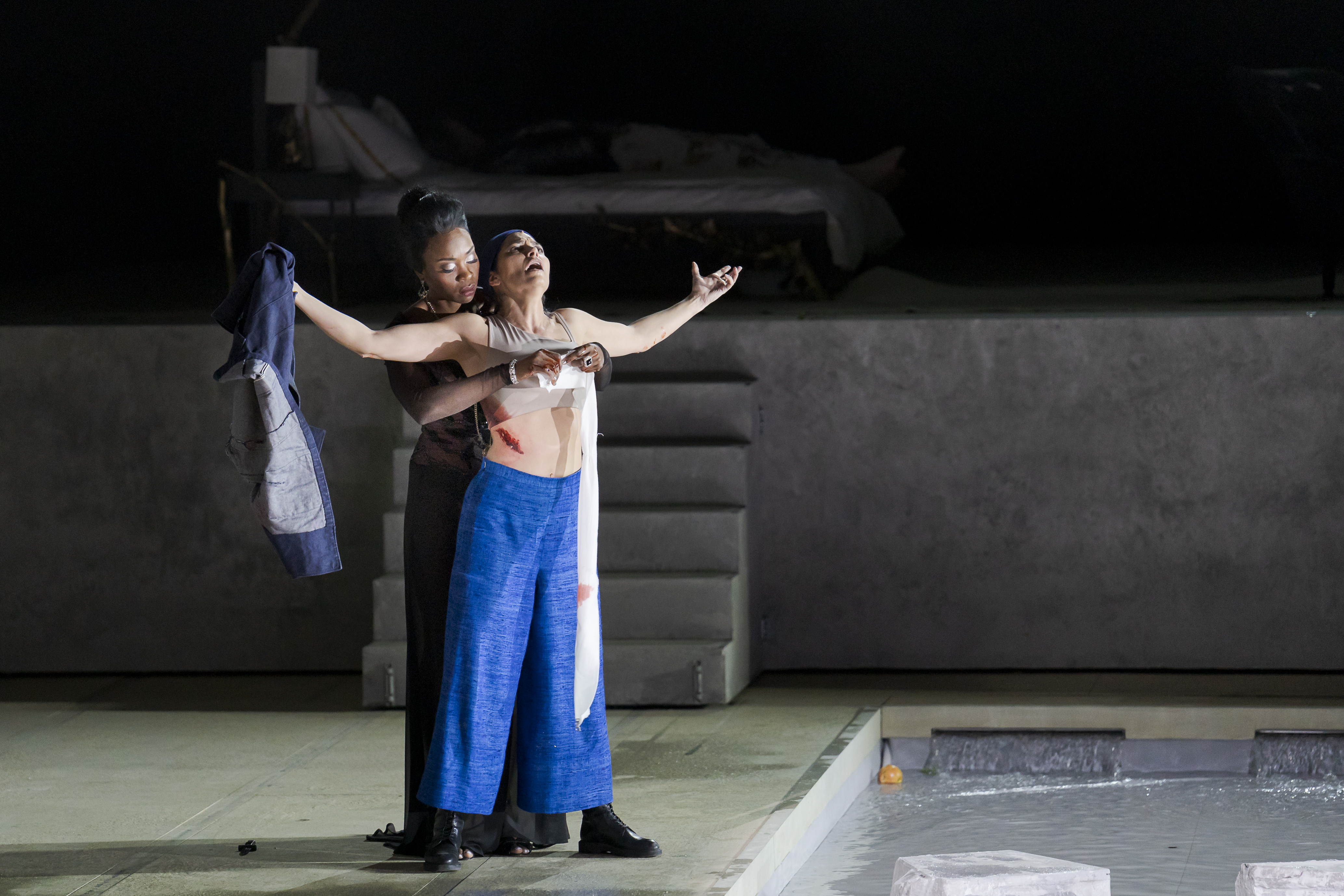
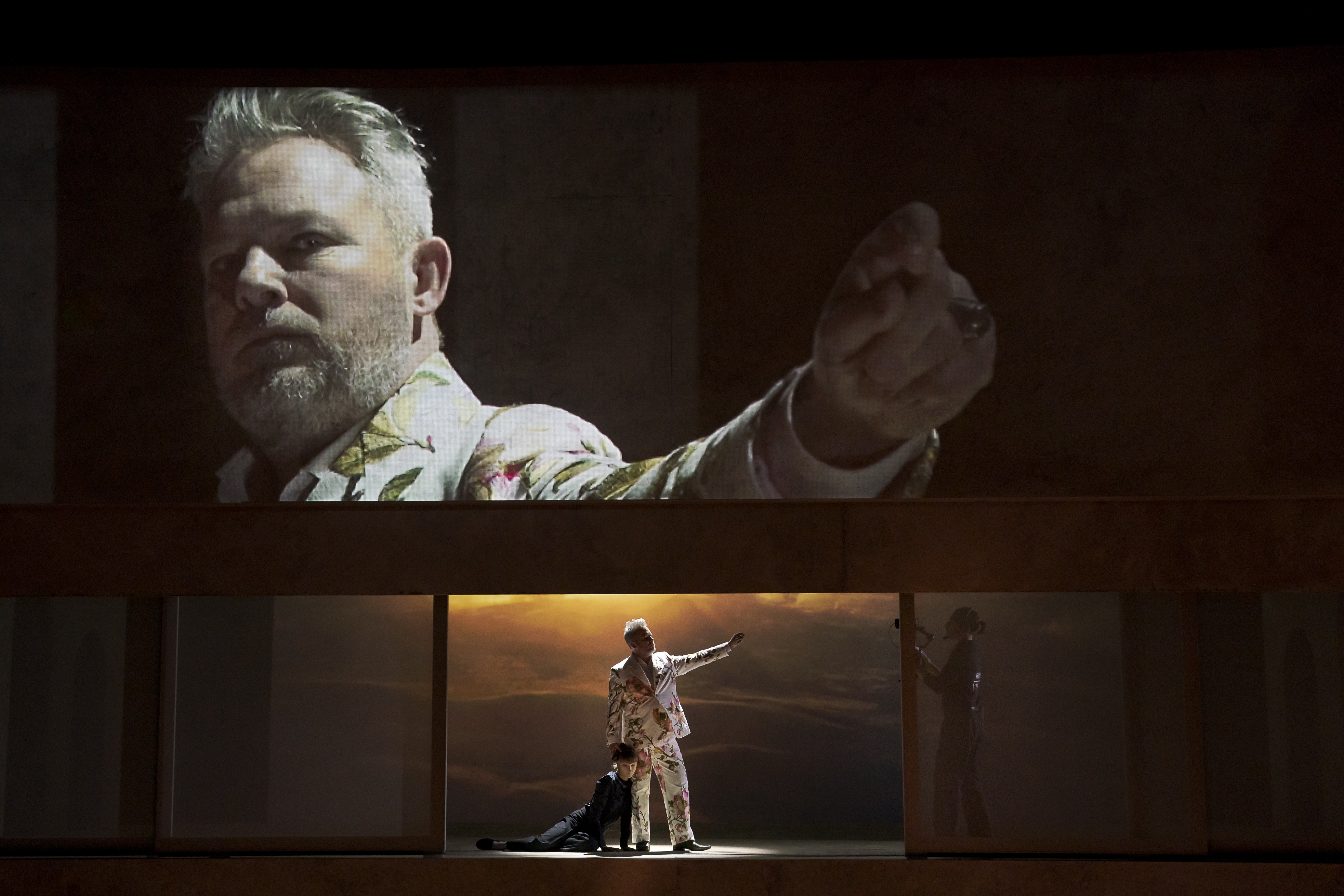
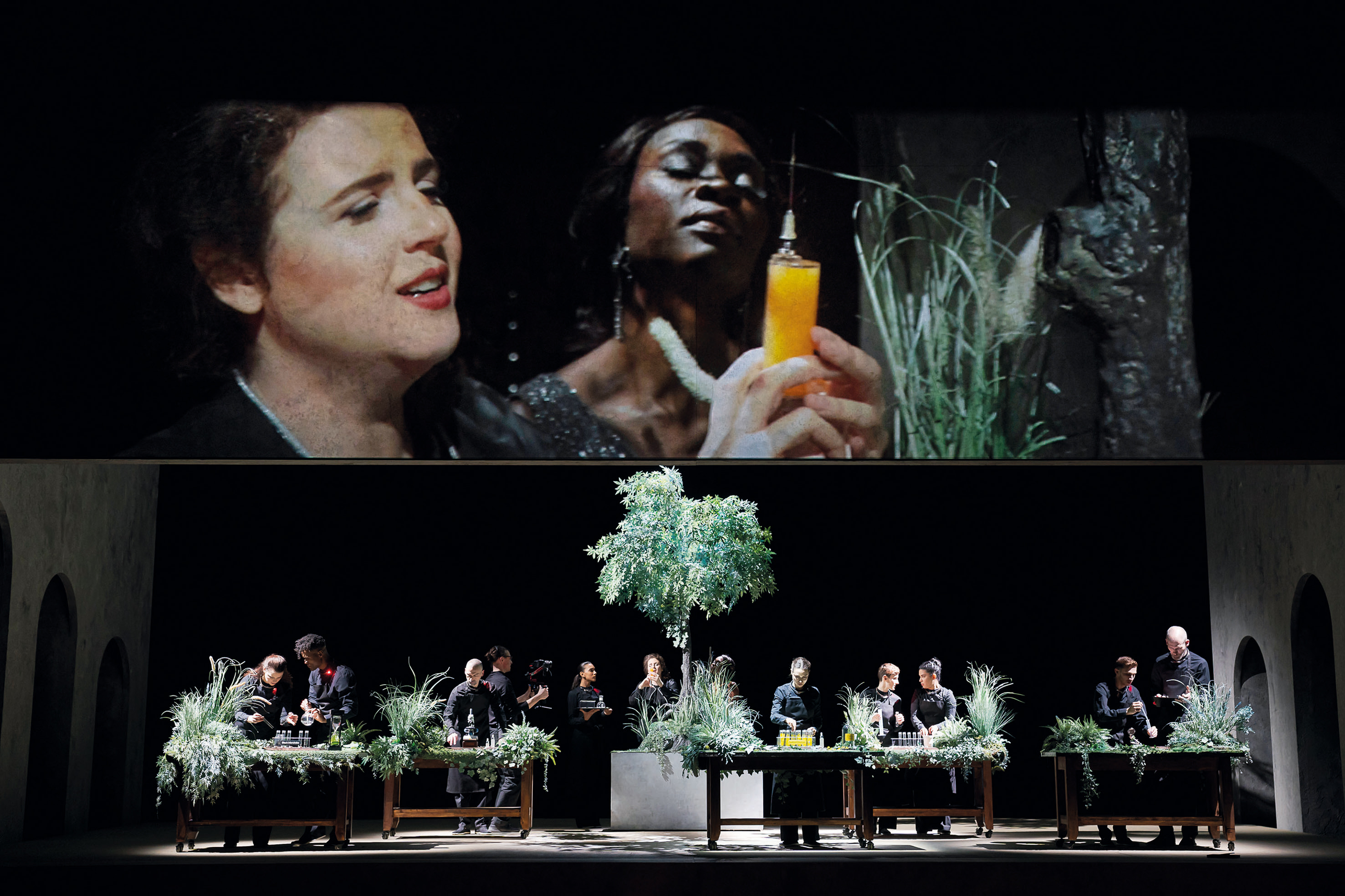
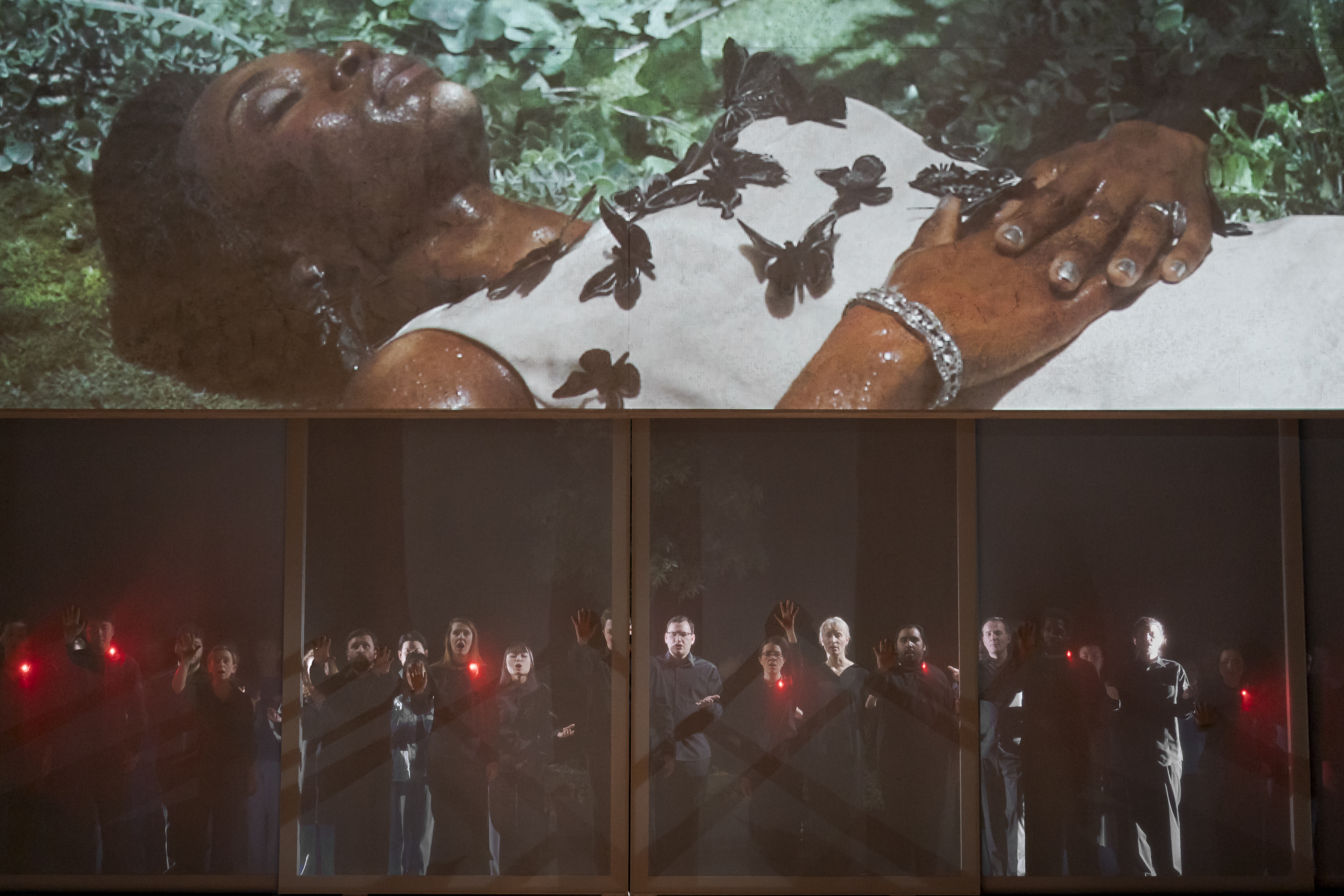
What constitutes legitimate government? To what extent is a head of government permitted to place his own interests at the centre of affairs of state? Can members of different religions ever live and work together peacefully? Handel’s 1745 oratorio Belshazzar continues to ask questions of global relevance today. In mid-18th-century England it was forbidden to show any biblical subjects on the stage. But by the time the mysterious words “Mene, mene, tekel” appear on the palace wall during a riotous feast, words that only the prophet Daniel can interpret, theology and thrilling drama have merged in Handel’s oratorio to form a unity of musical theatre. The French director Marie-Eve Signeyrole stages the fall of Babylon under its infamous ruler Belshazzar. In her production, the Arnold Schoenberg Choir portrays no fewer than three hostile Middle Eastern peoples who are carried by music performed by Christina Pluhar and her ensemble L’Arpeggiata.
In English with German & English surtitles
Introduction to the work 30 minutes before the performance
read more
Trailer
L'Arpeggiata
Arnold Schoenberg Chor (Leitung: Erwin Ortner)
Act I Nitocris, mother of the Babylonian king Belshazzar, reflects on the mortality of humans and their limited powers. For some time a bond of trust has existed between her and the Jewish prophet Daniel, who is being held captive in Babylon along with his people. He advises her to confide in his god.
The Persian prince Cyrus has set up camp at the gates of Babylon. One of his troops is the Babylonian Gobrias who defected to the Persians after Belshazzar had his son murdered. In a dream, Cyrus saw the Babylonian river Euphrates dried out and this gave him an idea of how to capture Babylon: during a feast he plans to divert the course of the river and enter the city along the dry riverbed. In the meantime, the captive Jews in Babylon await the moment of their liberation.
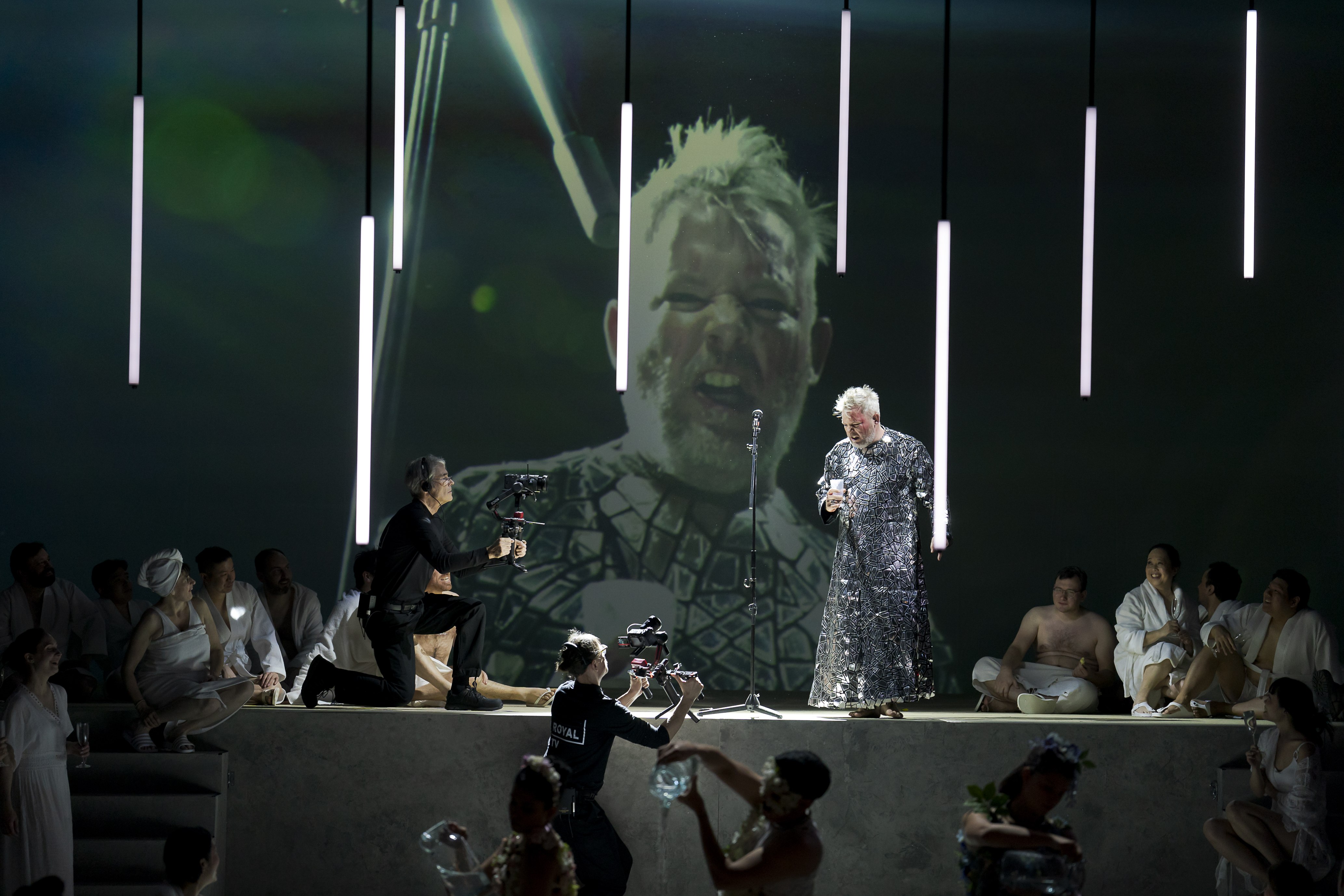
King Belshazzar prepares the feast of Sesach which traditionally involves excesses and drunkenness. To provoke the Jews, he orders that goblets stolen from the temple in Jerusalem be used for the revelries. The Jews warn him not to do this, as does Nitocris. He argues with his mother about whether the Jewish or the Babylonian religion is to take precedence. The Jews prophesy that their god will take revenge on Belshazzar.
Act II In the meantime, Cyrus has succeeded in altering the course of the Euphrates and leads his troops into the city. The celebrations there are now in full swing, and Belshazzar is so intoxicated that he blasphemes the Jews’ god. Then, as if written by an invisible hand, fiery letters appear on the palace wall. Only Daniel is able to read and interpret the mysterious symbols. The writing reads “Mene, mene, tekel upharsin”: God has counted Belshazzar’s days, the King has been weighed and found wanting and his kingdom will be taken over by the Persians. Nitocris again begs her son to convert to Judaism at last and change his ways. Daniel doubts that Belshazzar will be able to do this. And so it proves: the King gives the command to continue the riotous festivities.
Act III Before he attacks the city, Cyrus prays to his god. He decides to spare the Babylonians and kill only King Belshazzar. Nitocris still clings to her hope that her son will change his mind.
Cyrus kills Belshazzar in battle and proclaims peace in Babylon. Nitocris submits to the new ruler and mourns her son, at which Cyrus assures her that neither she nor her people have anything to fear and that he himself intends to be like a son to her.
Daniel explains to Cyrus that according to the
prophecies of the Jewish prophets he is the chosen one who will free the Jews
from the Babylonian yoke. Cyrus promises not only to free the Jews but also to
rebuild the temple in Jerusalem.