
OPERA IN THREE ACTS
Libretto by Friedrich Kind
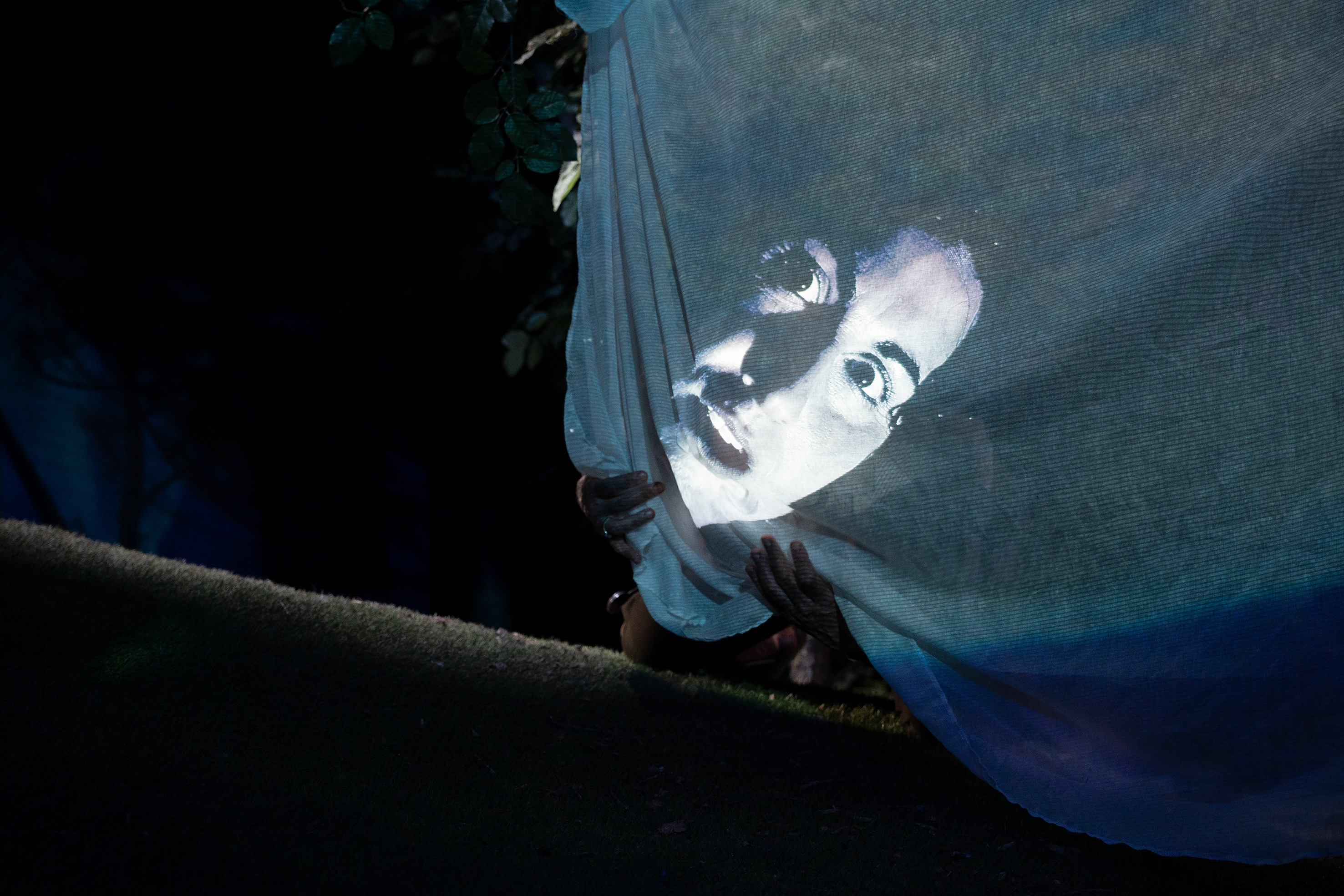
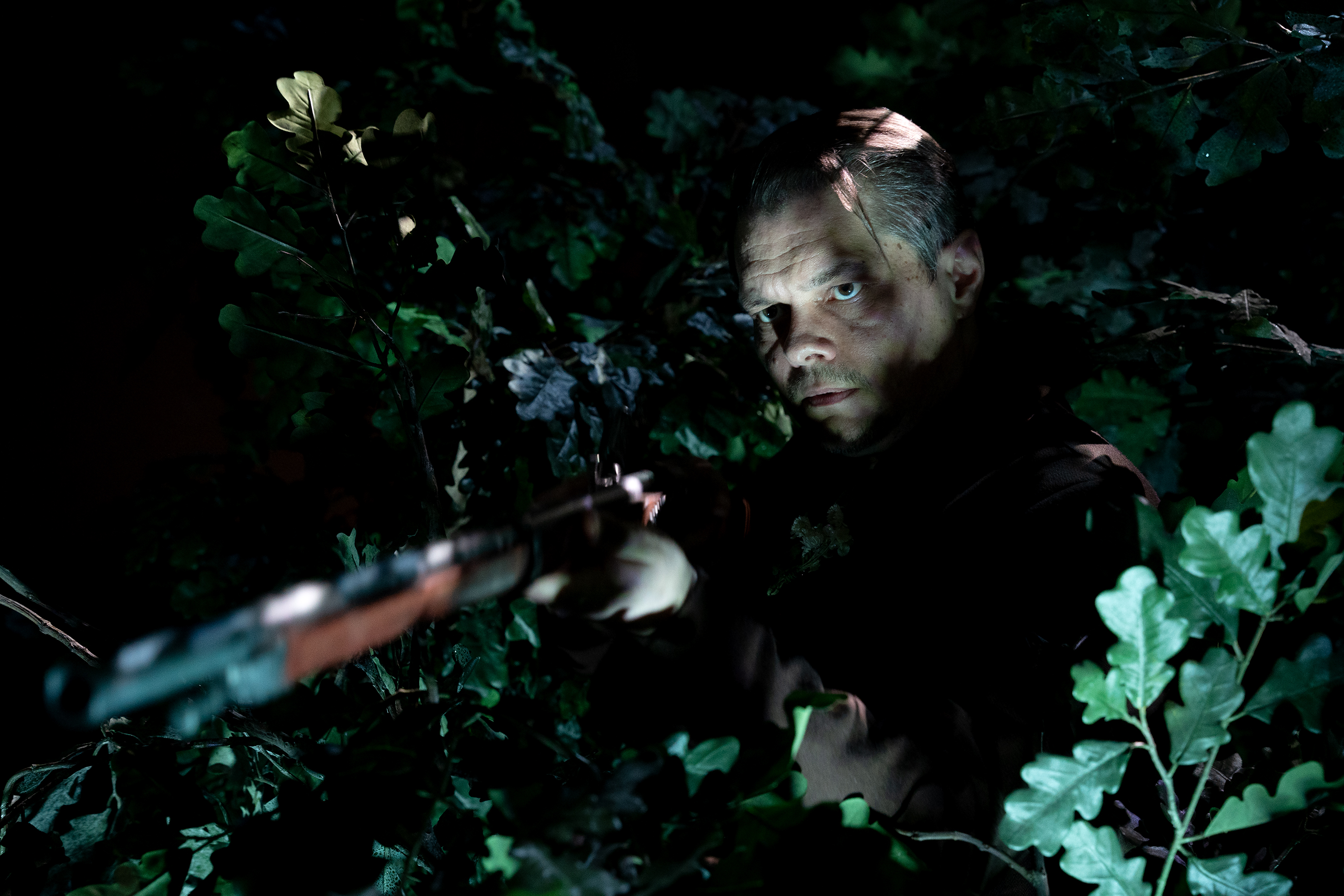
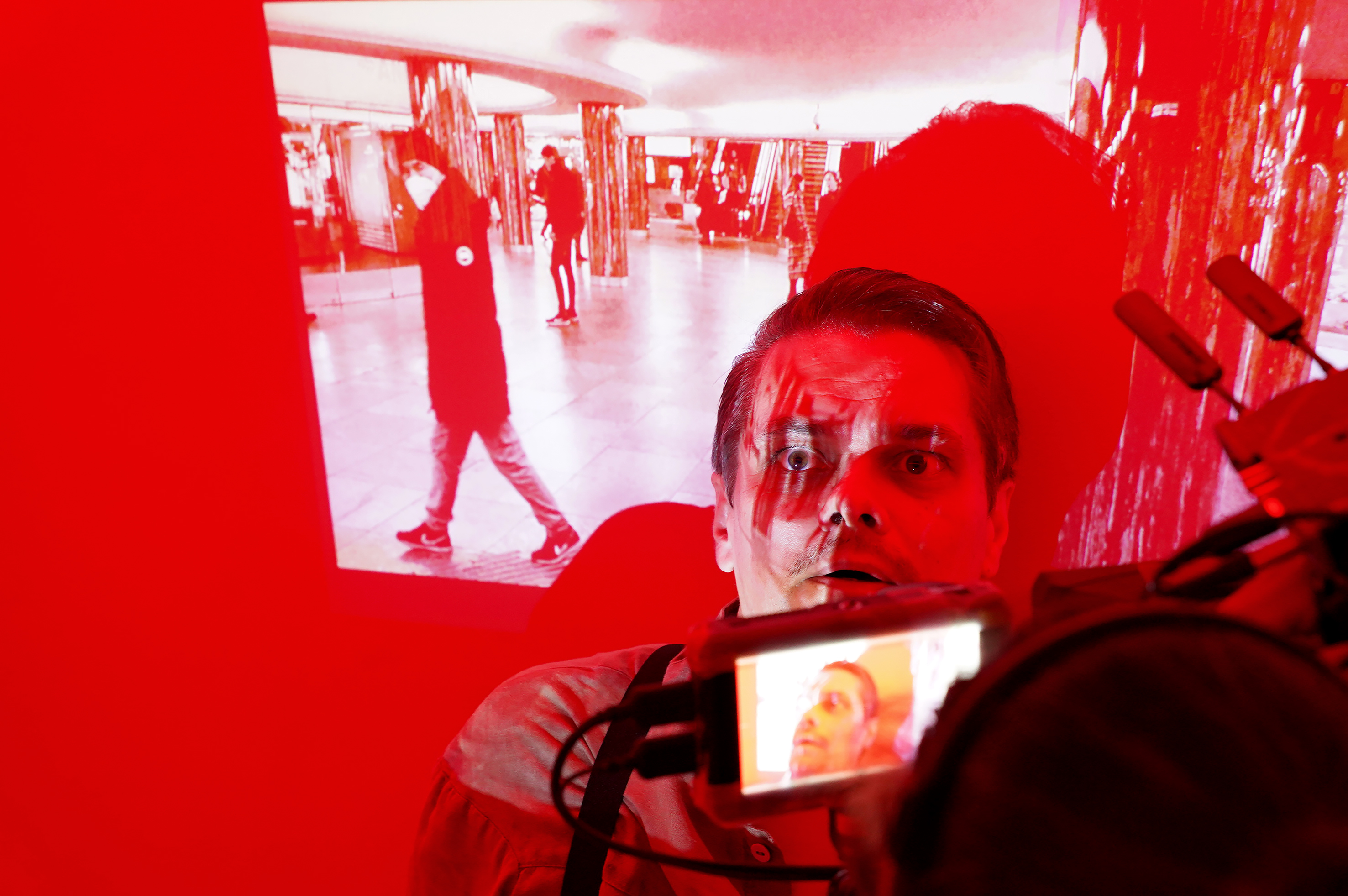
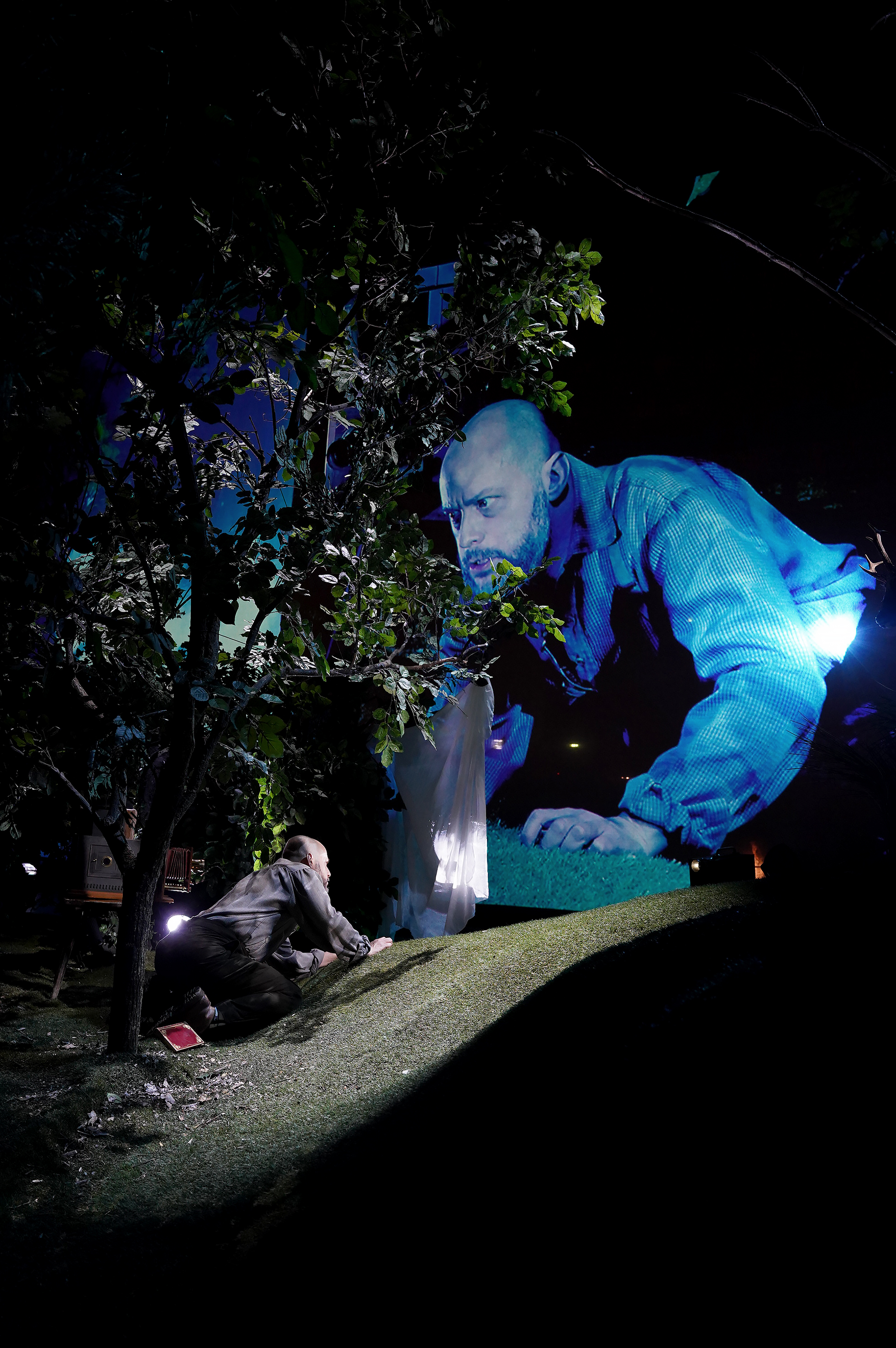
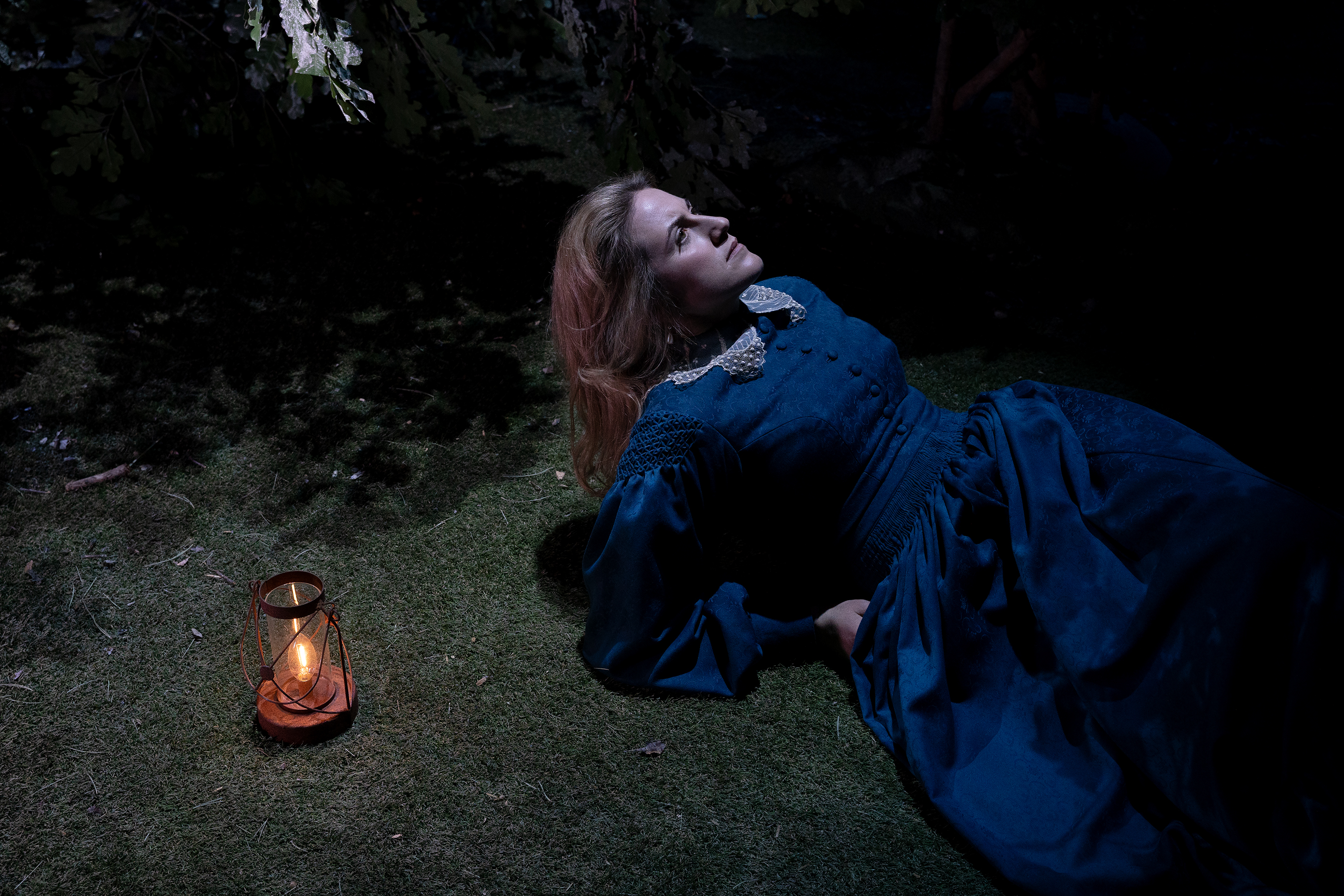
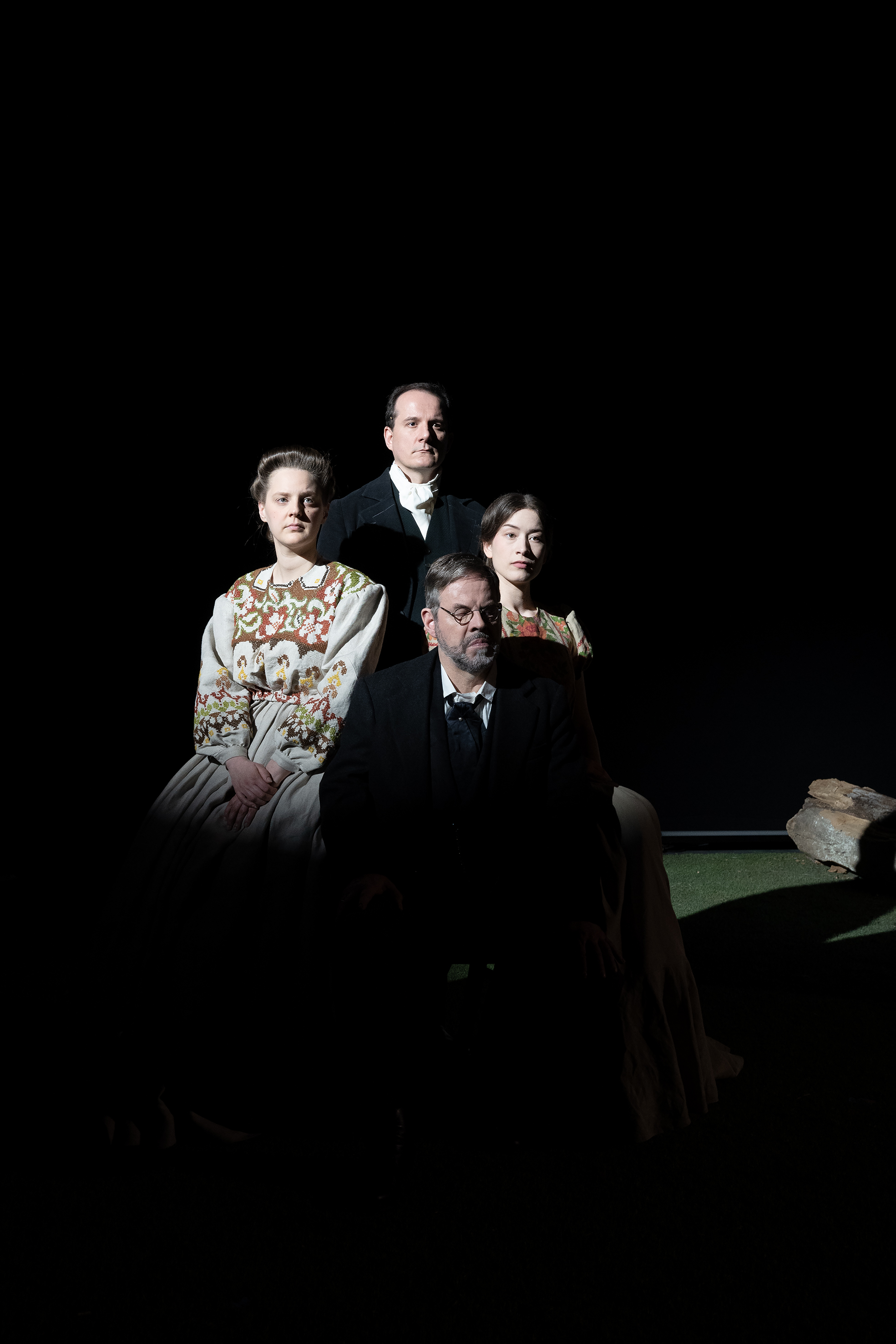
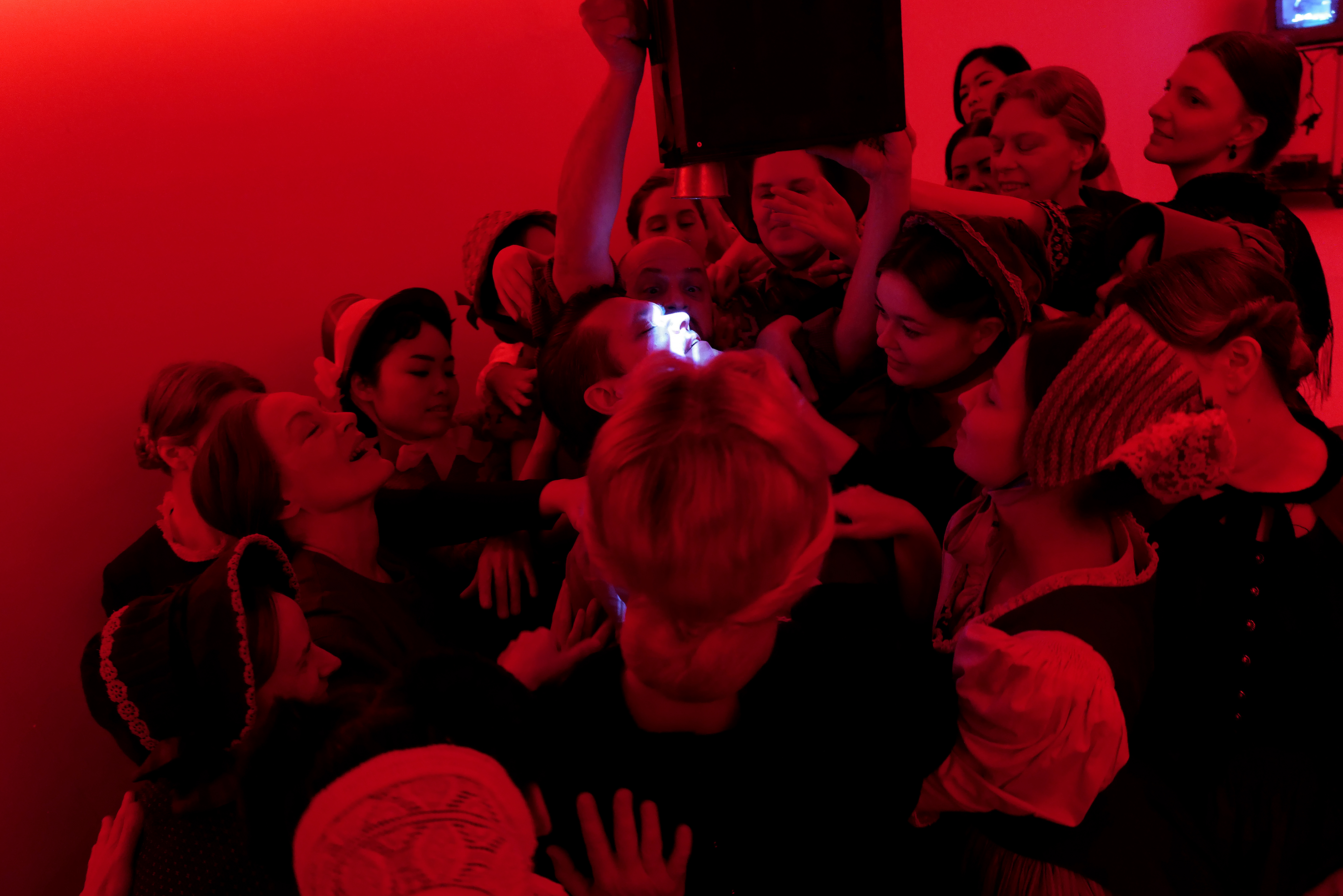
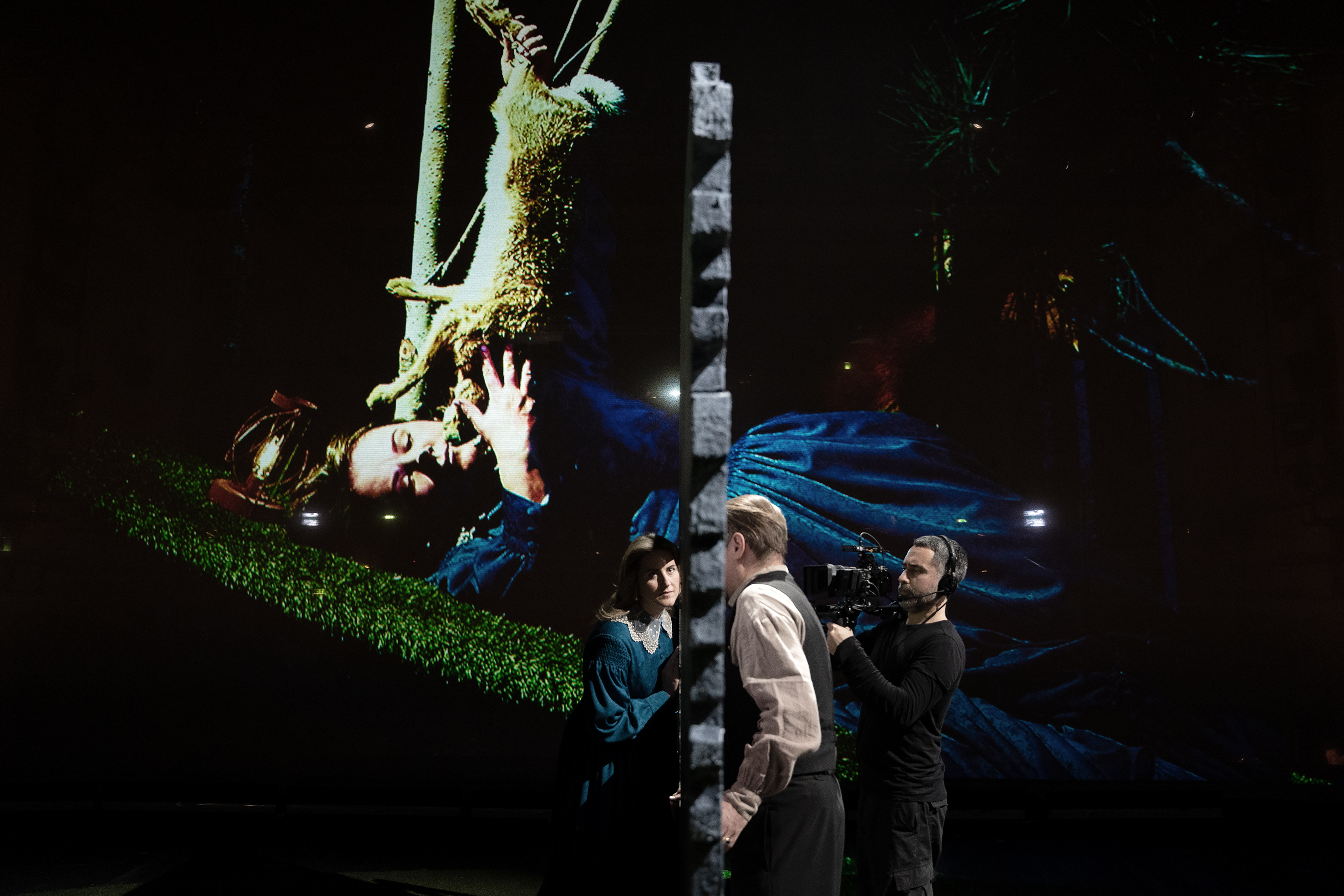
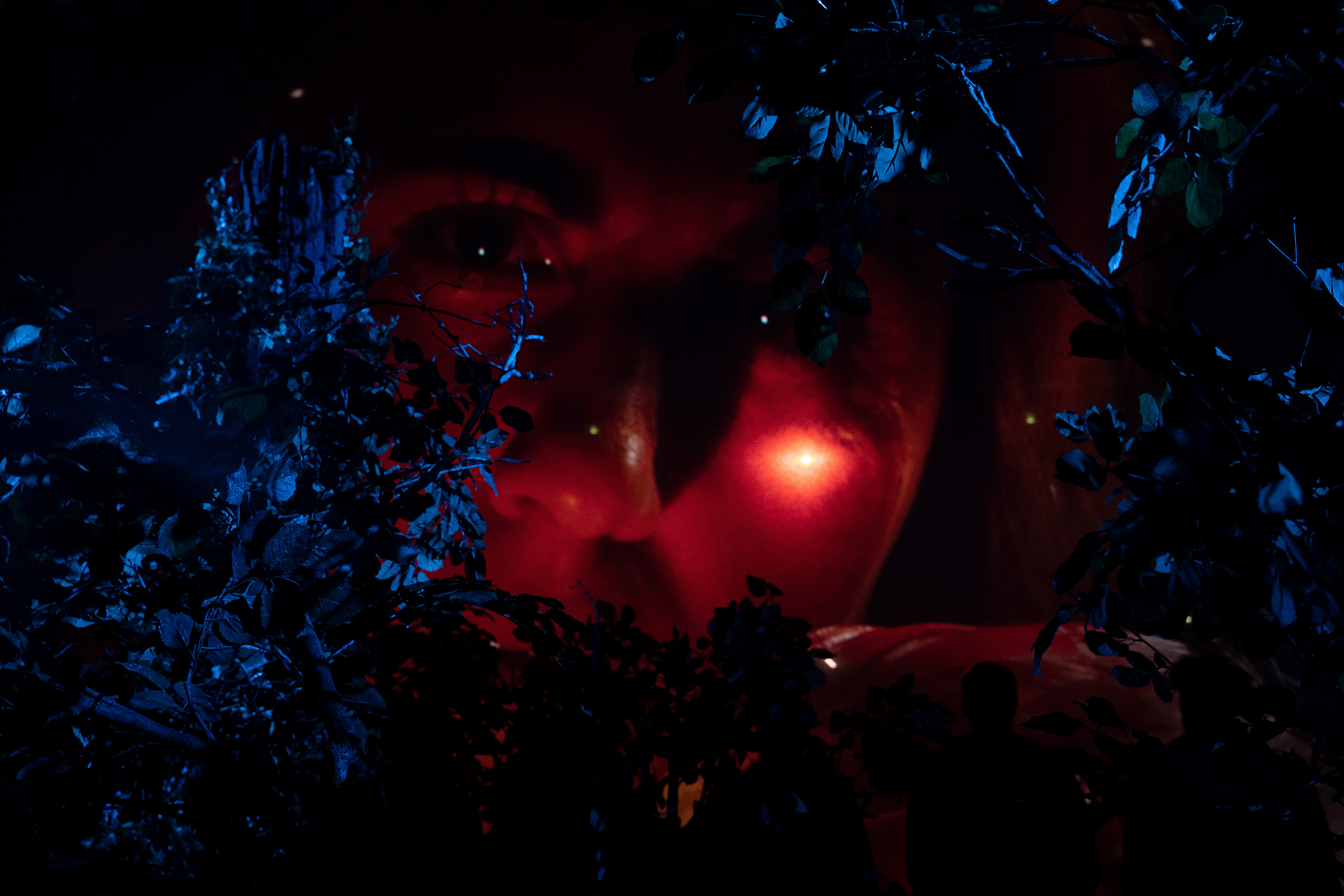
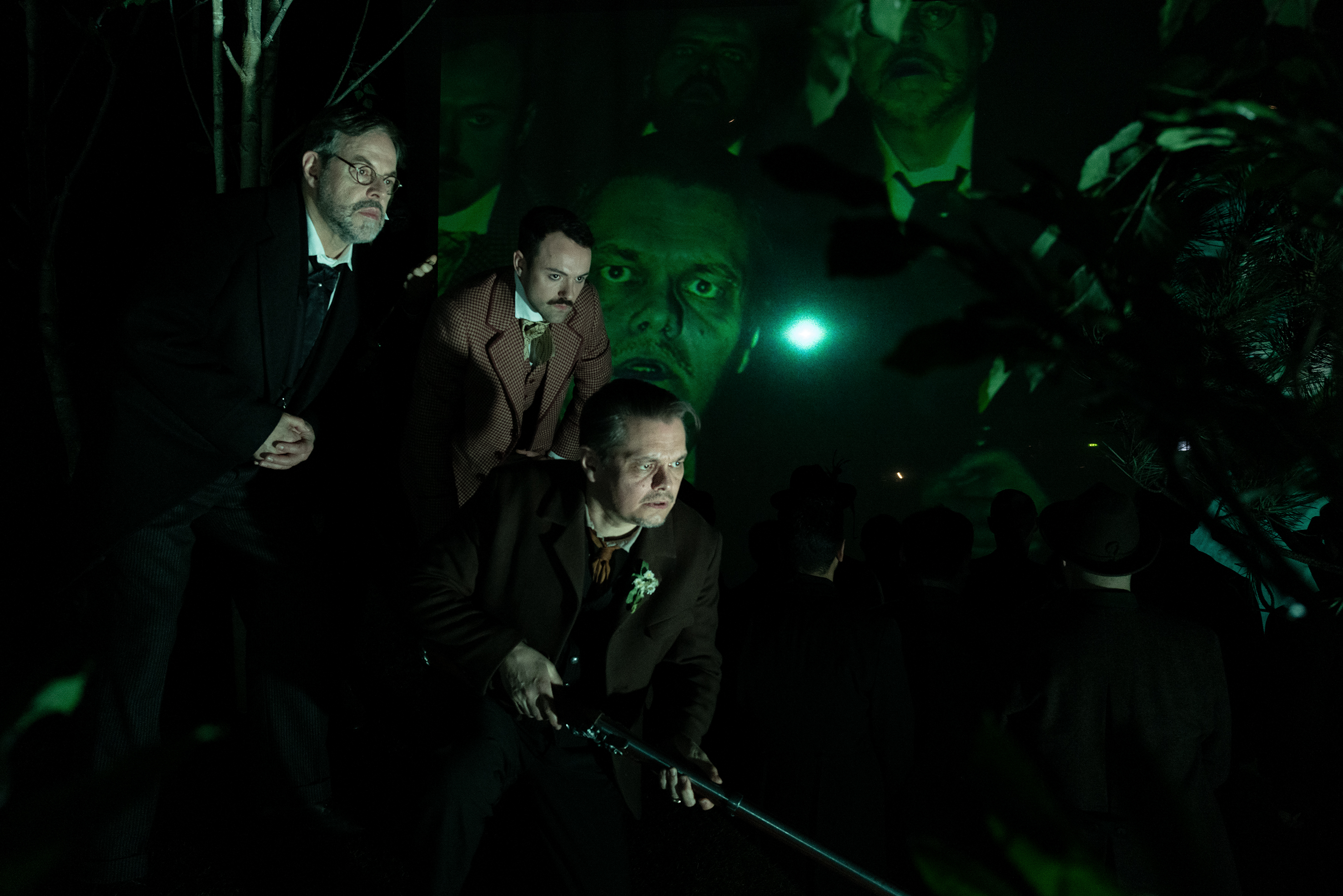
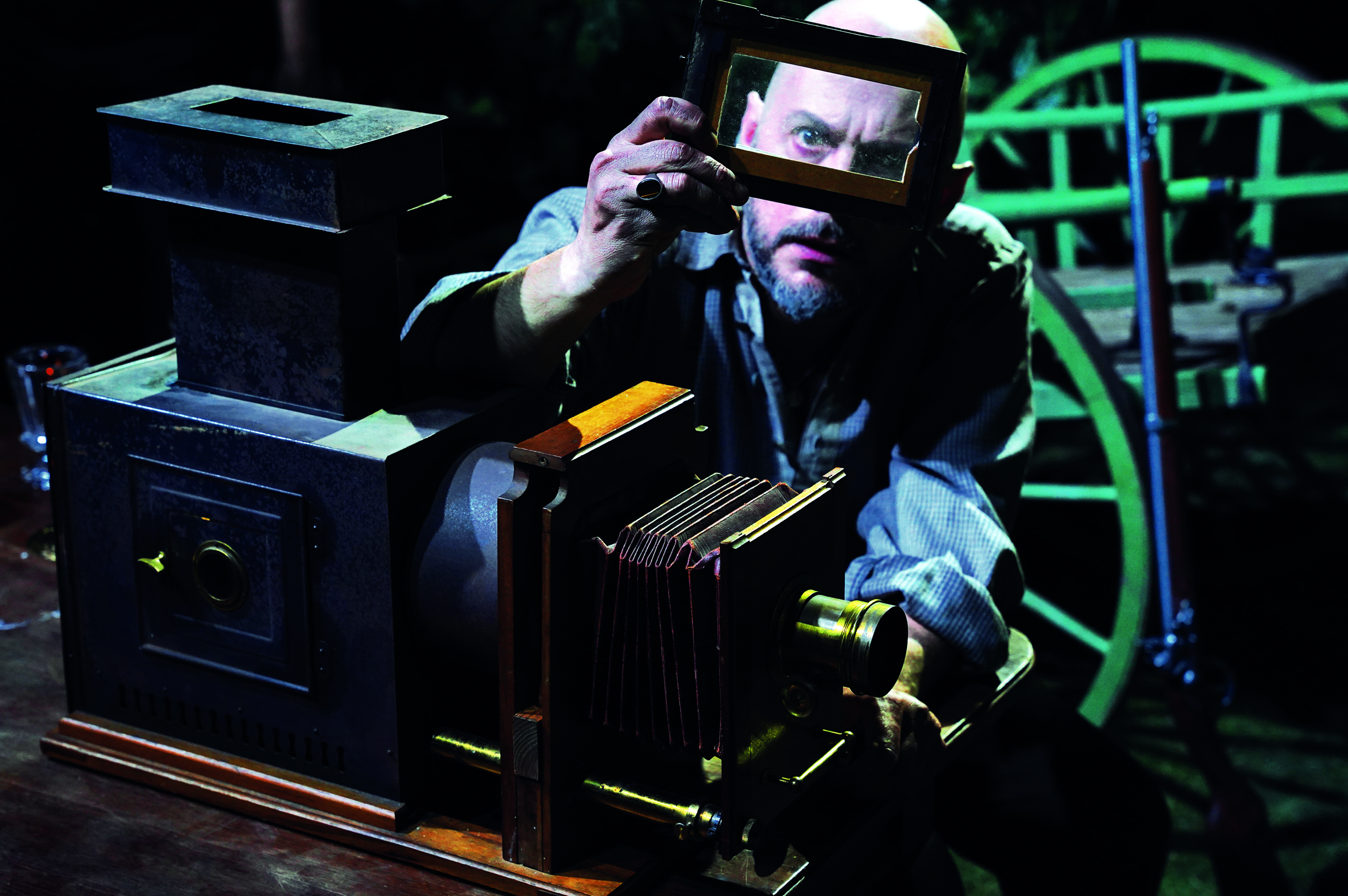
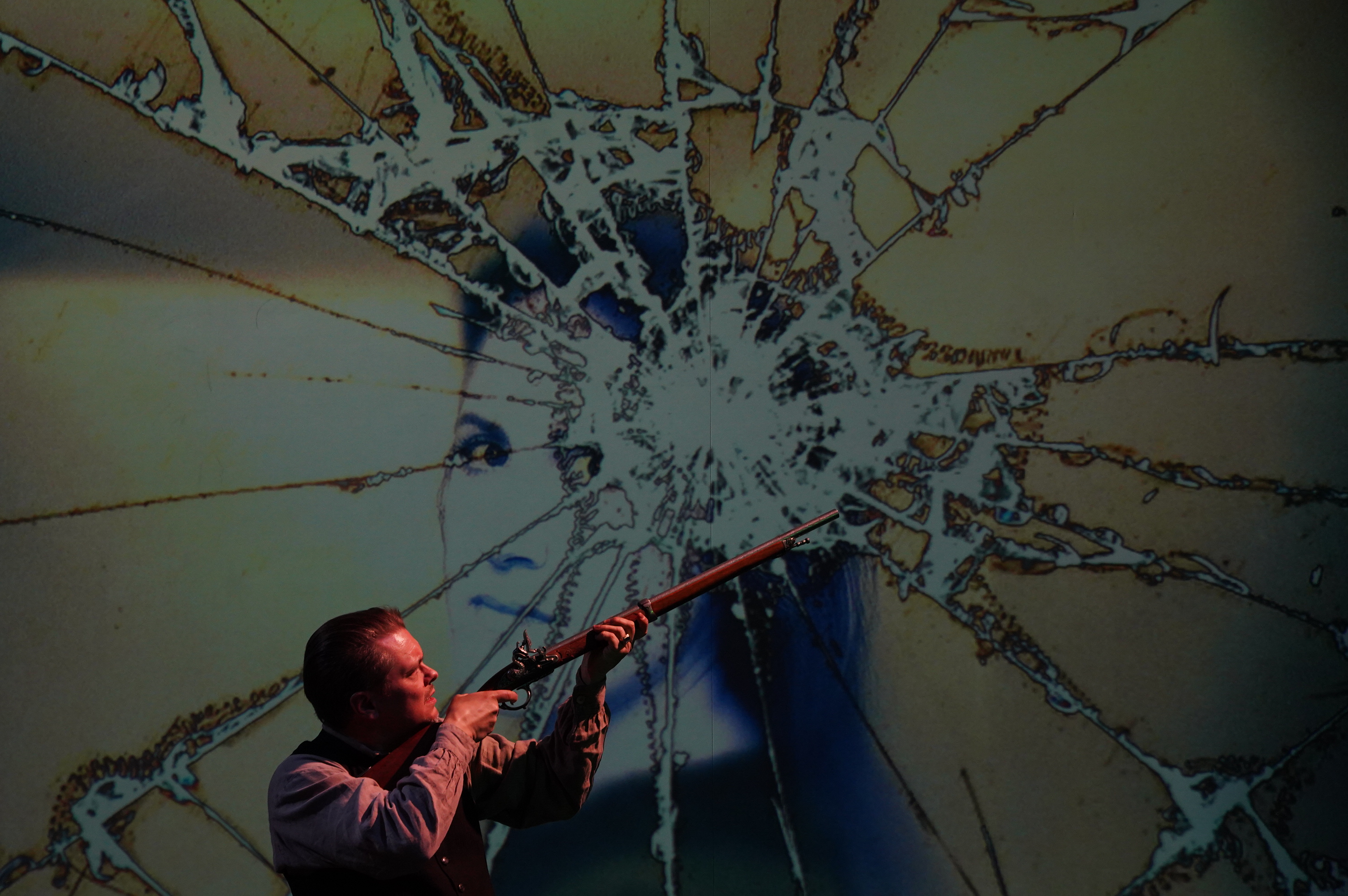
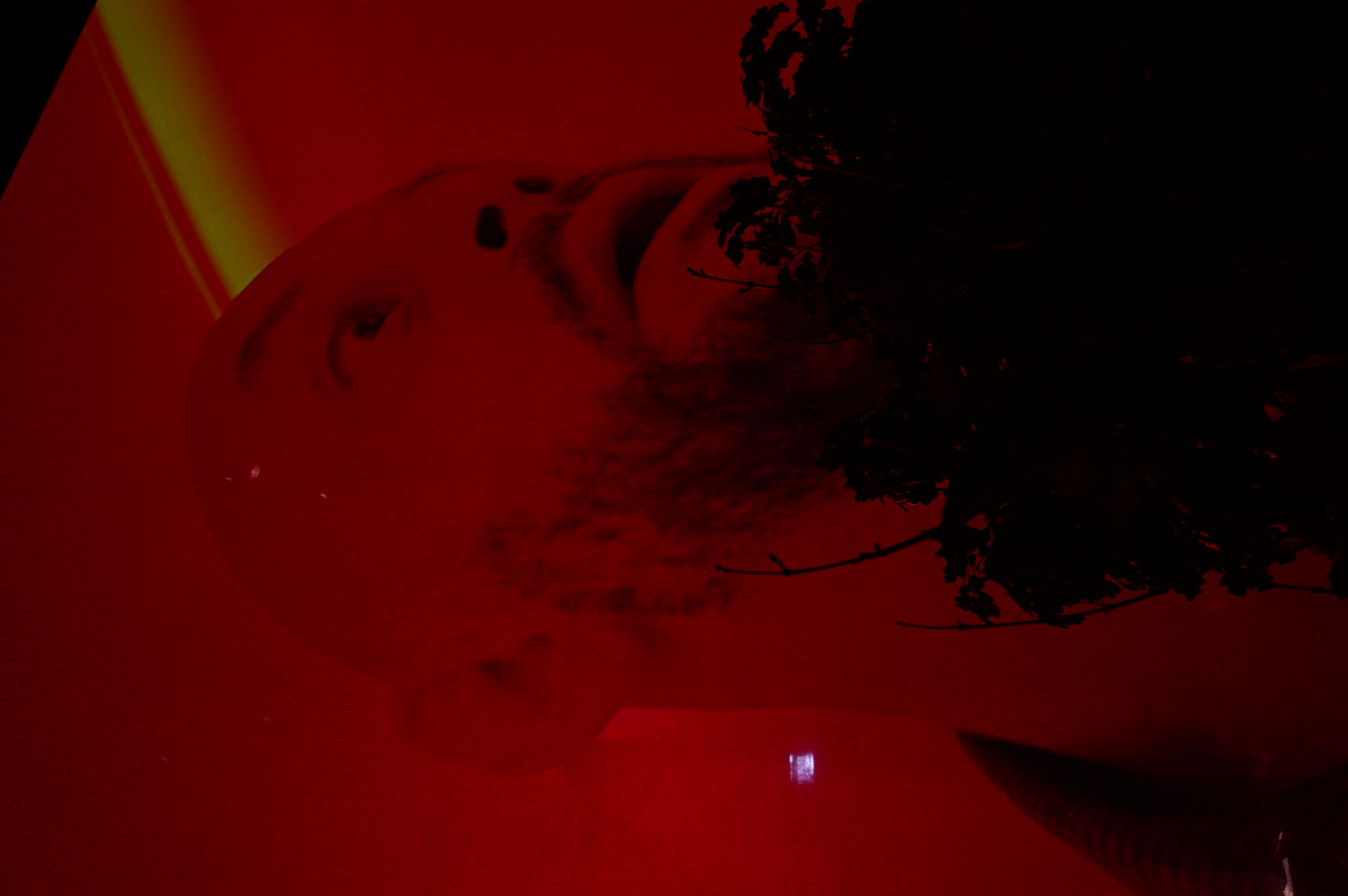
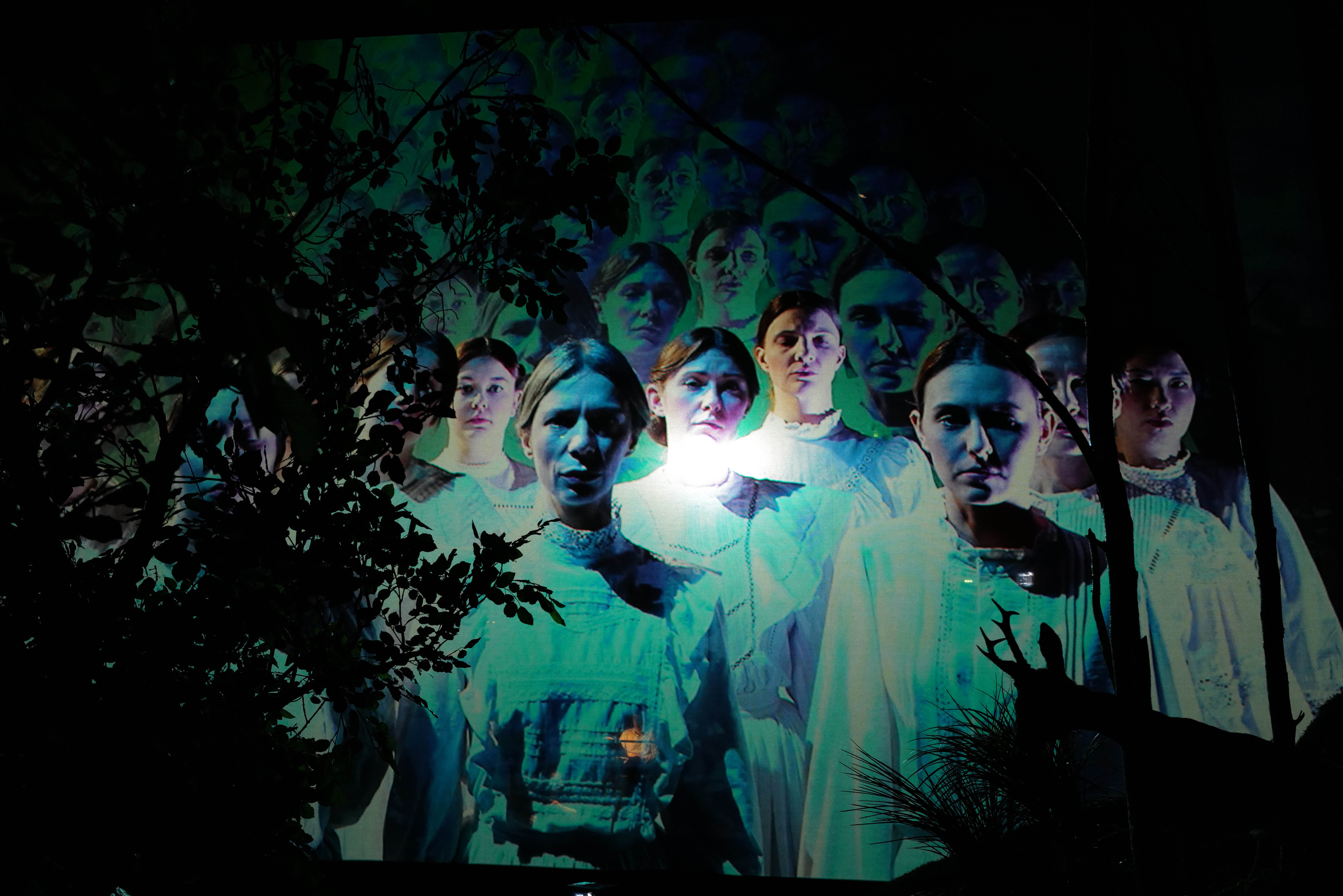
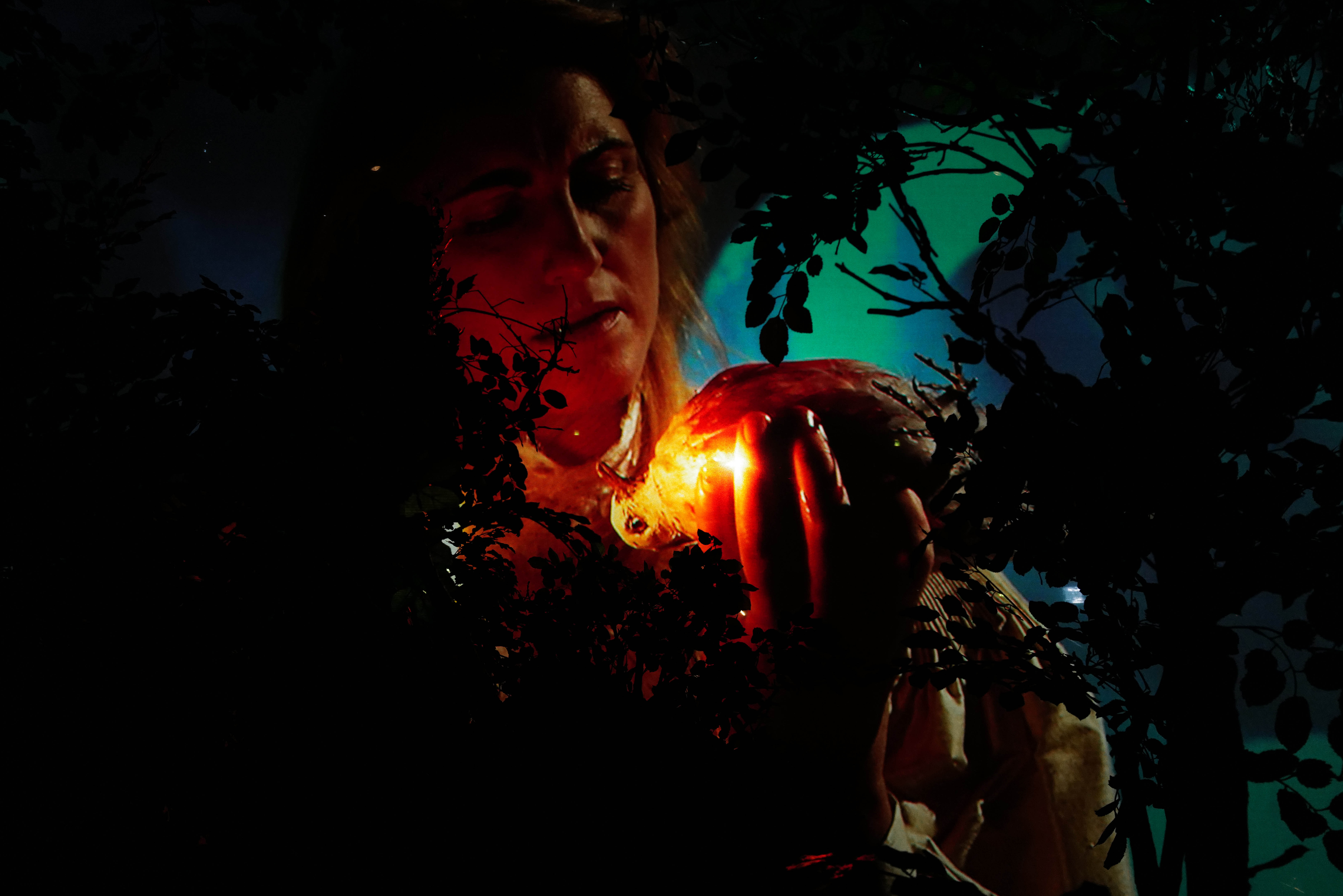
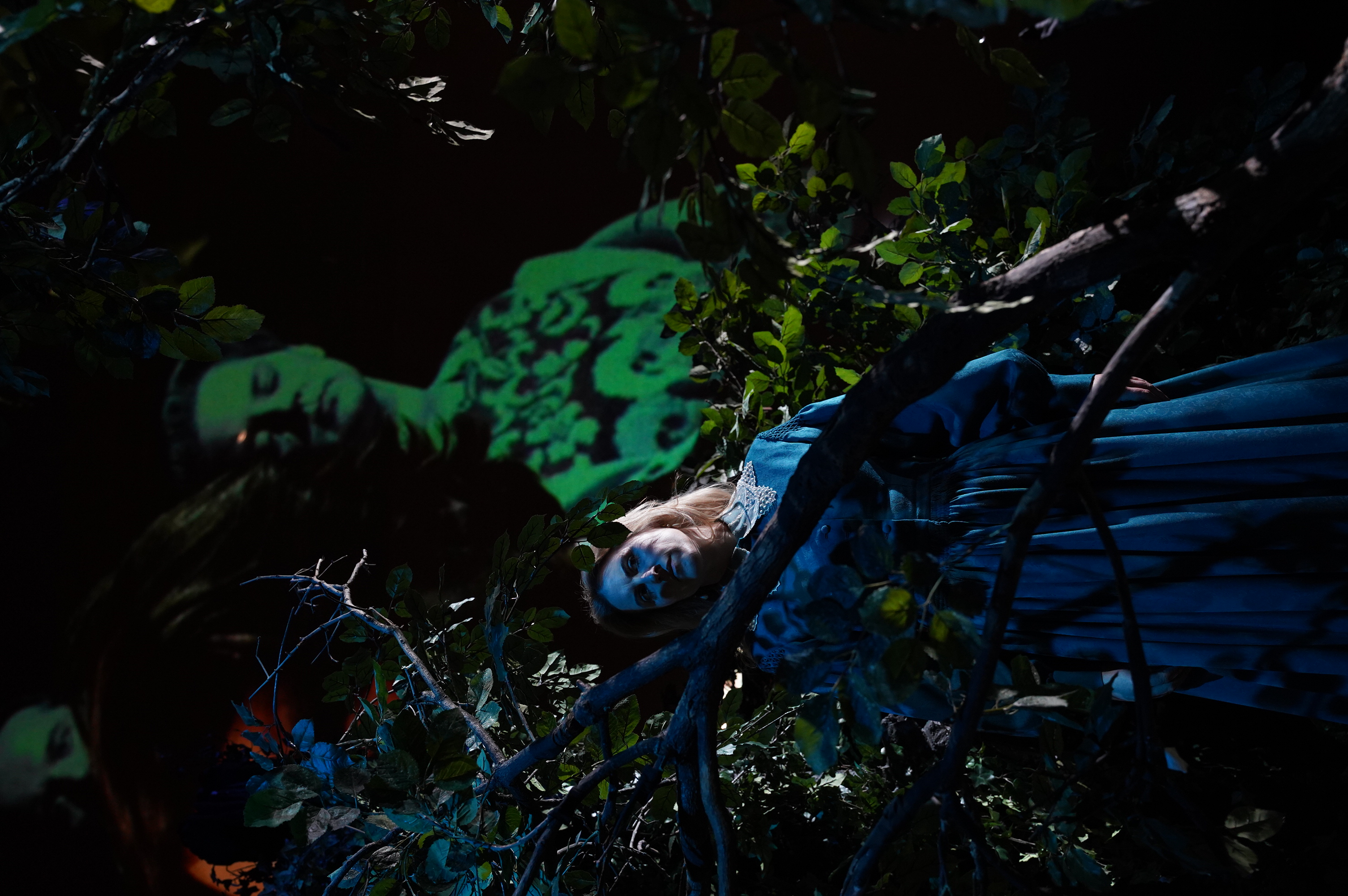
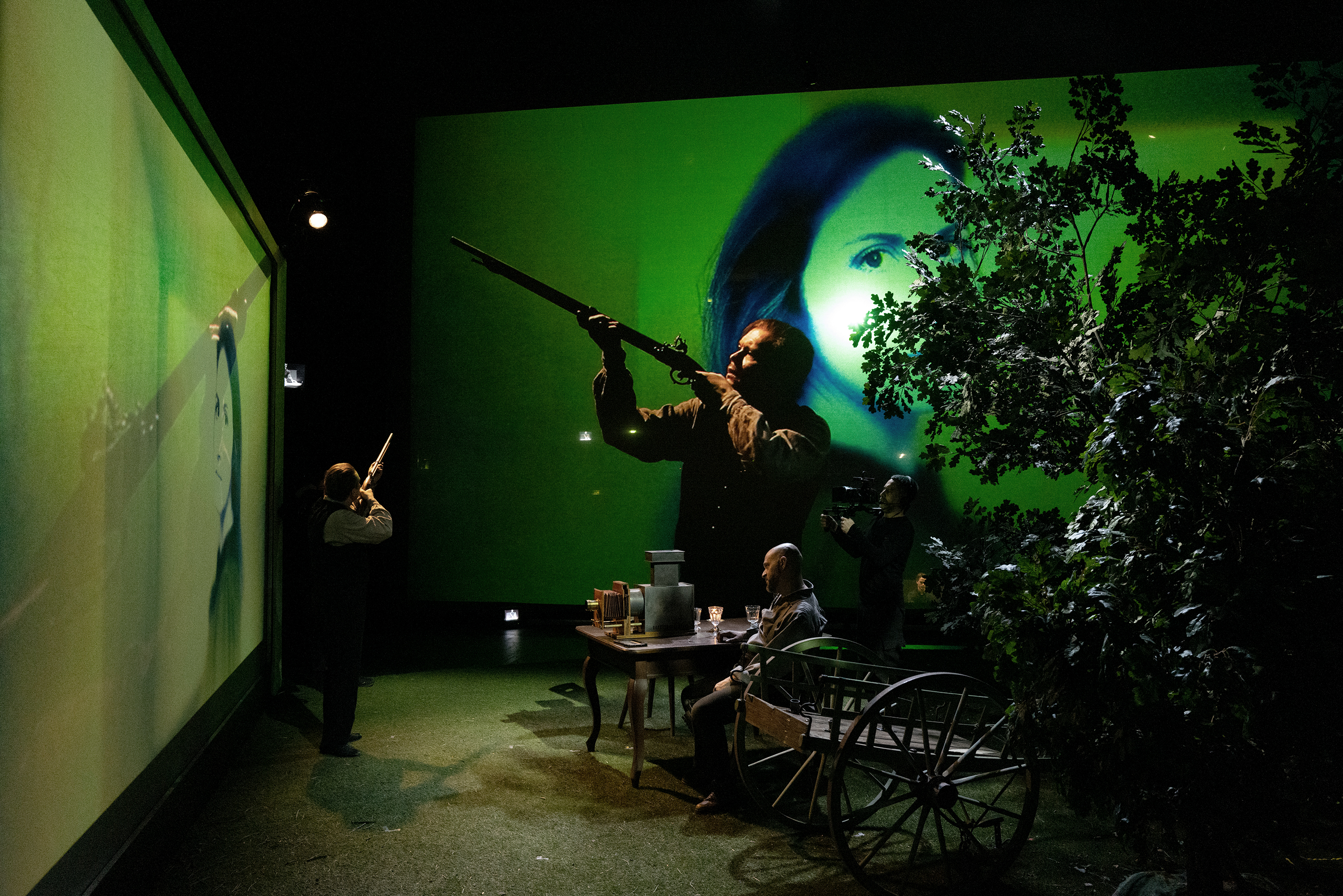
Max, a hunter, misses every target he aims for. What else can he do but go with his friend Kaspar in the dead of night to cast magic bullets that never miss? Carl Maria von Weber’s Der Freischütz delves deep into romantic worlds with a hunters’ chorus and a maiden’s wreath, woods and Wolf’s Glen, plus sinister forces and white roses that offer protection from evil. At its premiere in 1821 shortly after the wars of liberation, the opera was an unparalleled expression of both nationalism and a romantic spirit in equal measure. At the same time, Der Freischütz is an opera about inner worlds, fears and traumas, sexual longings and trust in God. Director David Marton, originally from Hungary, focuses on the eroding boundaries between inner and outer worlds and, using techniques from film, highlights them as barriers between the individual and the collective as well.
In German with German & English surtitles
Introduction to the work 30 minutes before the performance
read more
Trailer
Wiener Symphoniker
Arnold Schoenberg Chor (Leitung: Erwin Ortner)
Act I The young hunter Max wants to marry Agathe, daughter of Kuno, the forester. According to an ancient custom he must first prove his skill to the country’s prince in a shooting trial. But in the days leading up to the trial he cannot hit any target, not even at a peasants’ shooting competition. His comrade Kaspar persuades Max to cast magic bullets with him. Six of them will hit the target, while the seventh will be guided by the devil himself. The two men arrange to meet at the Wolf’s Glen at midnight to cast the bullets.
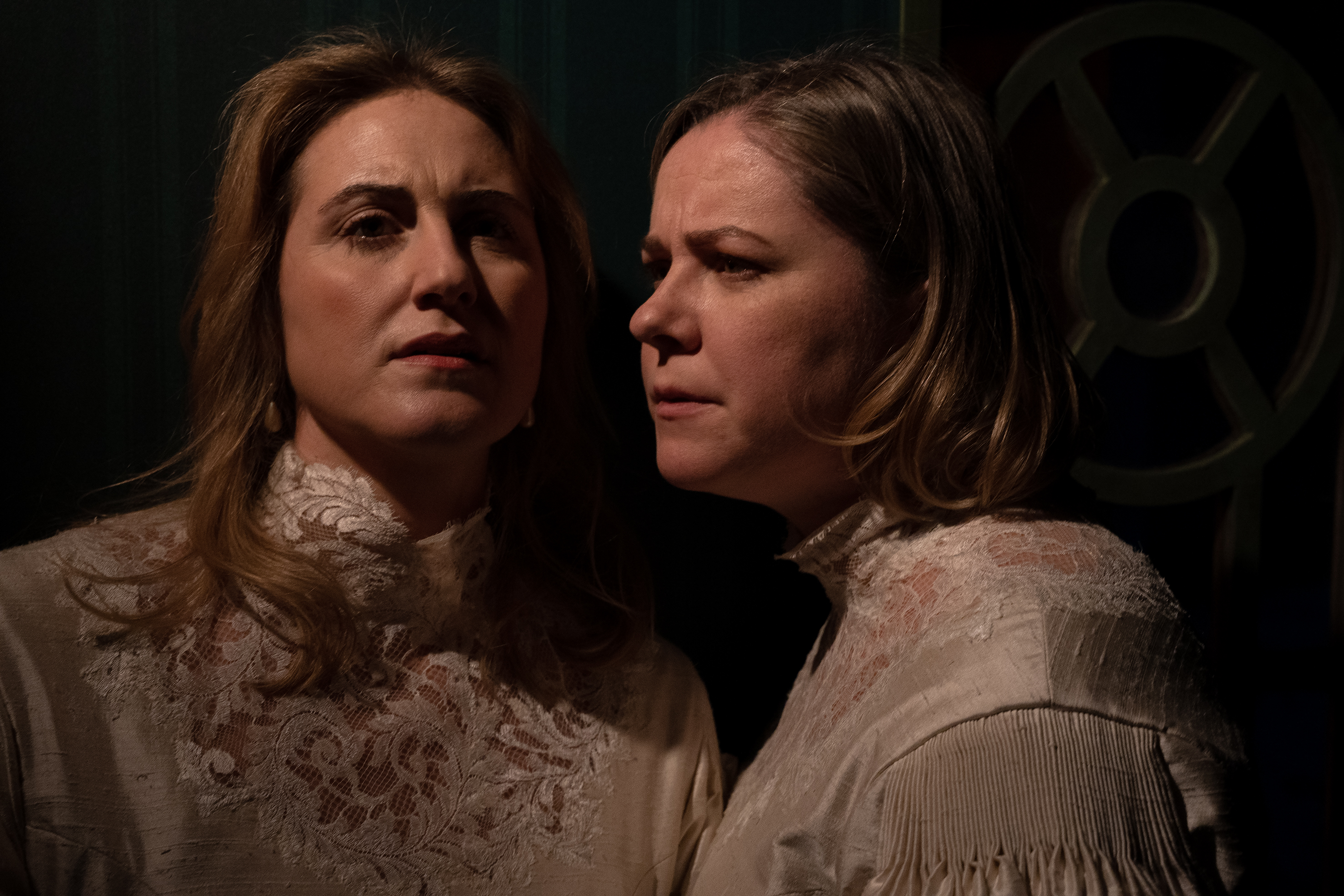
Act II Agathe has a feeling of foreboding; she is worried about Max. Ännchen, a relative of hers, tries to cheer her up. To Agathe’s relief, Max arrives at last. However, he runs off into the night again on some pretext. – In the Wolf’s Glen, Kaspar waits for Max: If he fails to deliver Max’s soul to the devil, he himself will be taken by the forces of evil. Max appears and, surrounded by horrific apparitions of evil, they cast seven magic bullets.
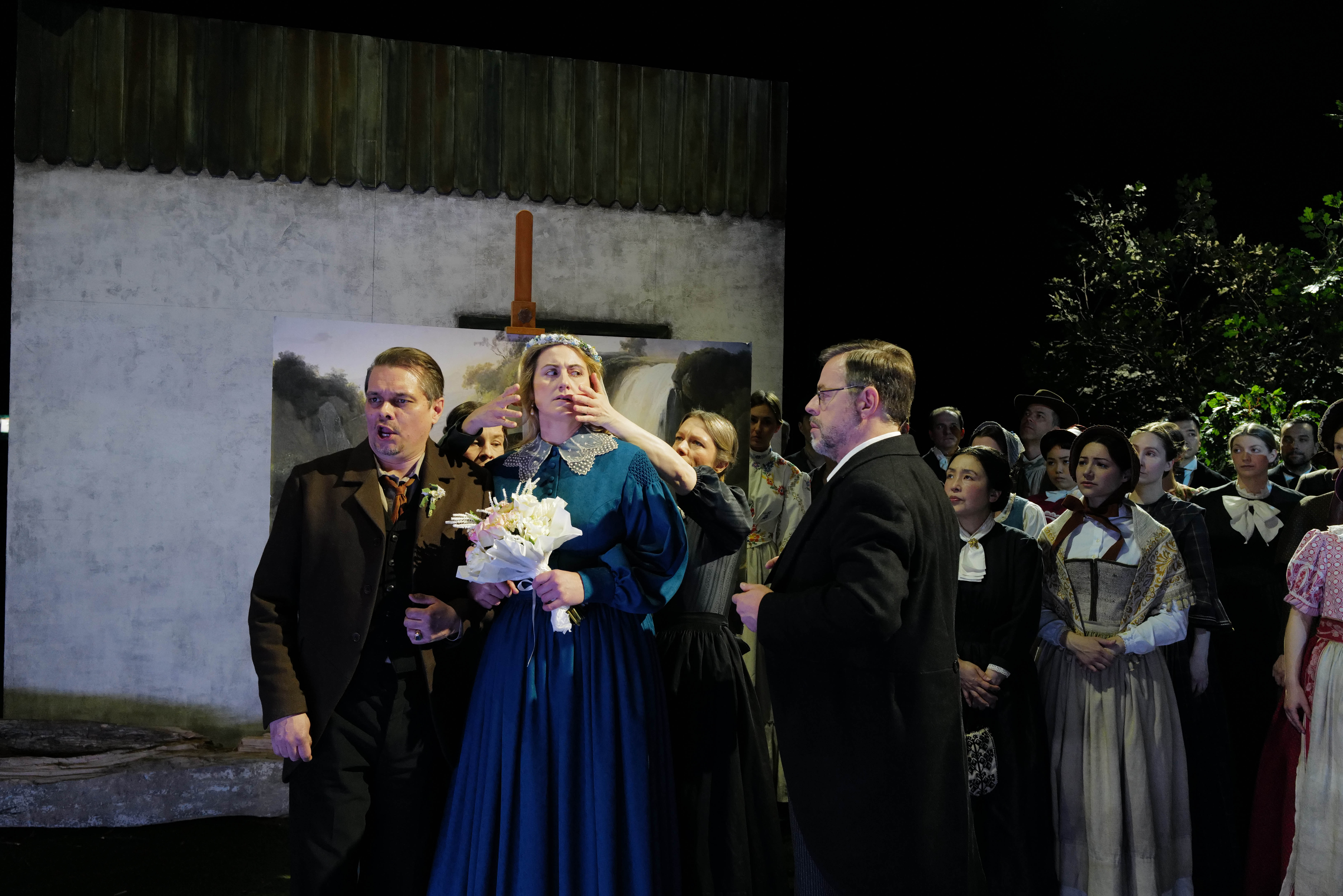
Act III It
is the morning of the shooting trial and the wedding, and Agathe and Ännchen
are waiting for the bridesmaids. Everyone is horrified to see that the box they
bring with the bridal wreath in it contains a funeral crown. Ännchen laughs at
the supposed mix-up, and Agathe asks her to make a wreath out of the white
roses that a pious hermit gave her the day before. – During the royal hunt, Max
has hit his three targets with consummate skill. He begs Kaspar to give him
more ammunition, but Kaspar provocatively wastes his share of the magic
bullets. The only bullet left for Max is the ominous seventh one. The prince
commands him to shoot a white dove, but suddenly Agathe appears before him. Max
shoots, his bride falls, and Kaspar has been hit too. Agathe recovers: the
blessed roses deflected the bullets away from her, causing them to hit Kaspar.
Max confesses to his deceit and the prince banishes him from the country. The
hermit, however, intervenes and asks that the young hunter be forgiven for
giving in to temptation. He suggests that Max do a probationary year to prove
his integrity, after which he can marry Agathe. The prince agrees, and everyone
gives thanks to God.