
Grand opéra in four acts
Libretto by Eugène Scribe
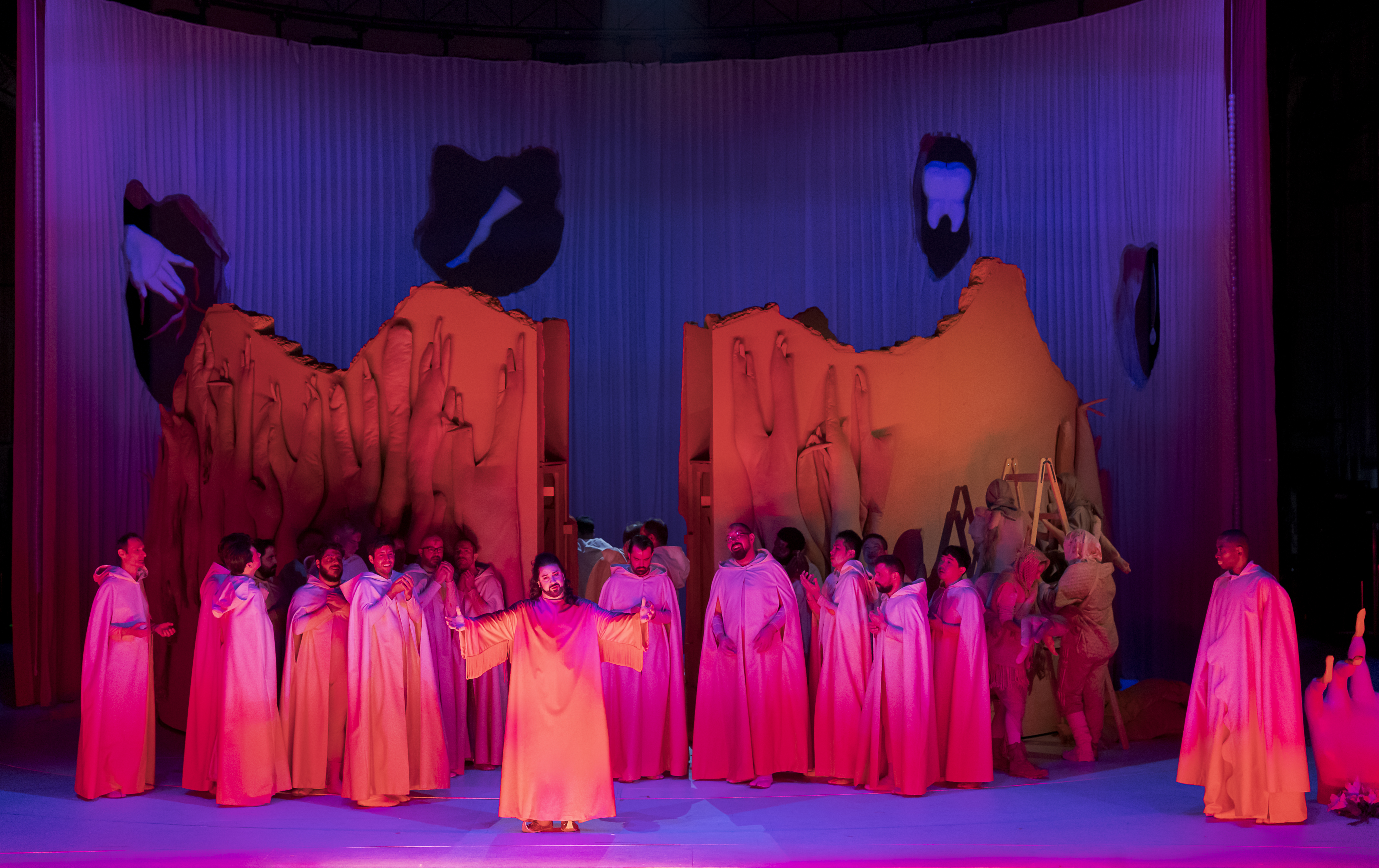
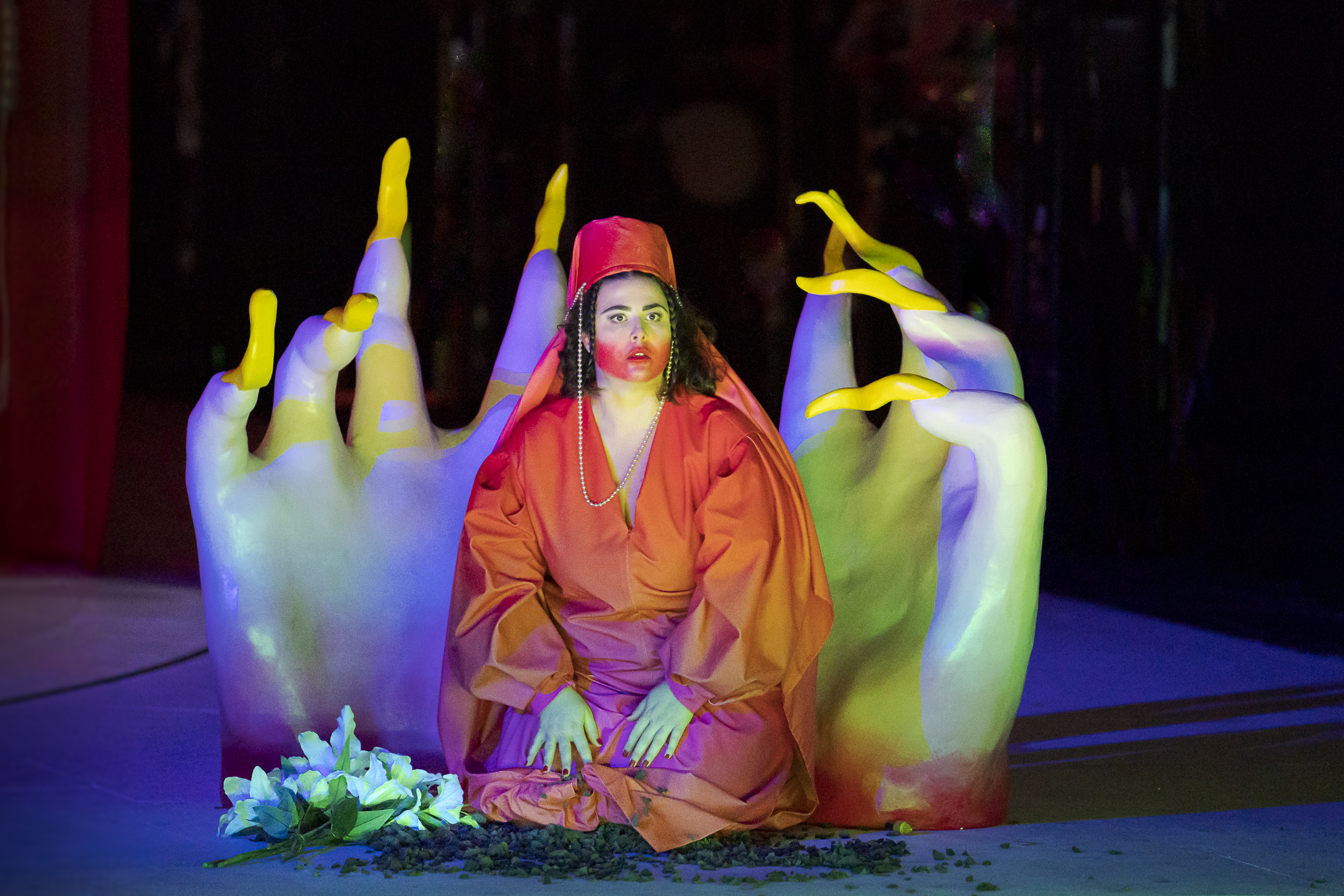
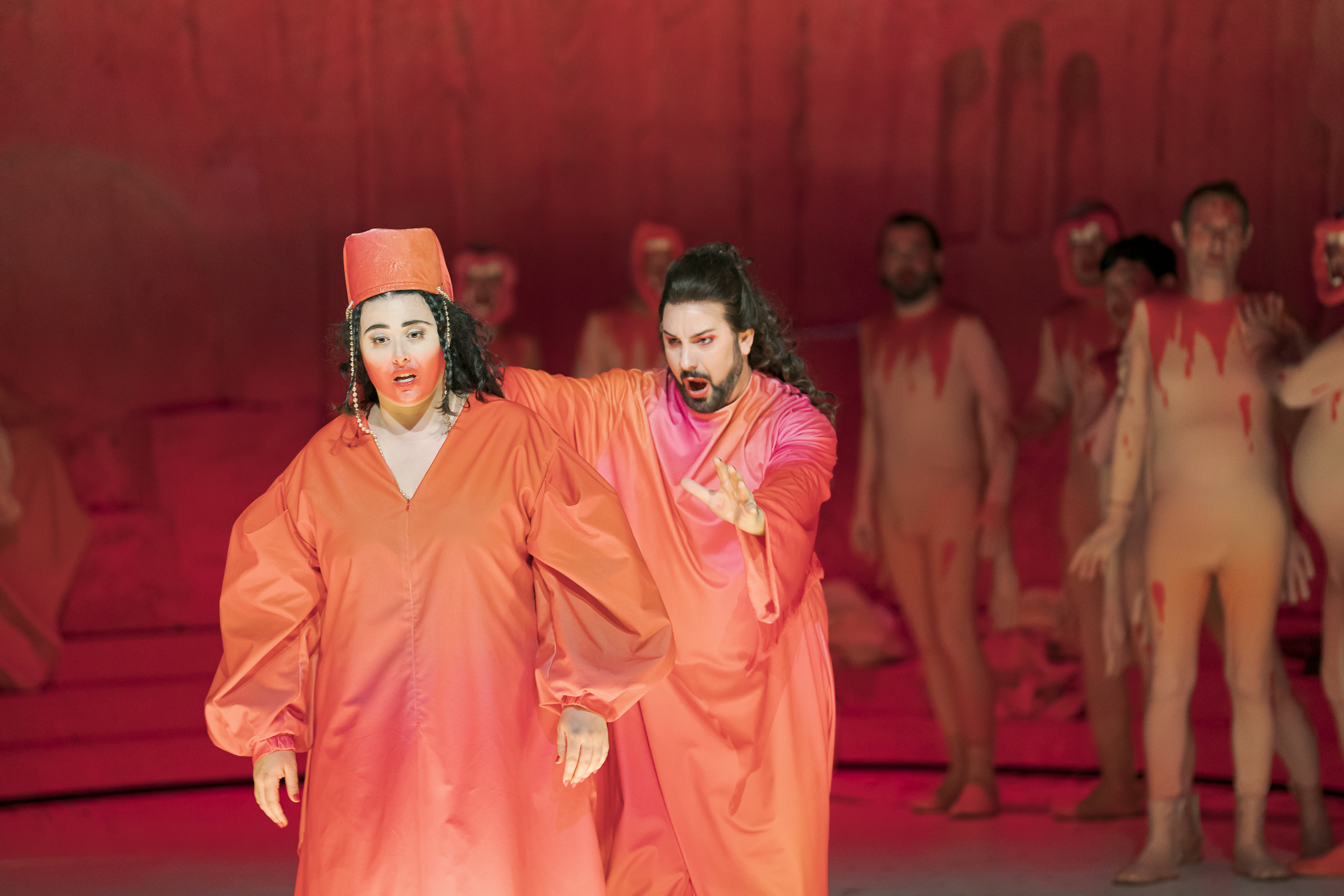
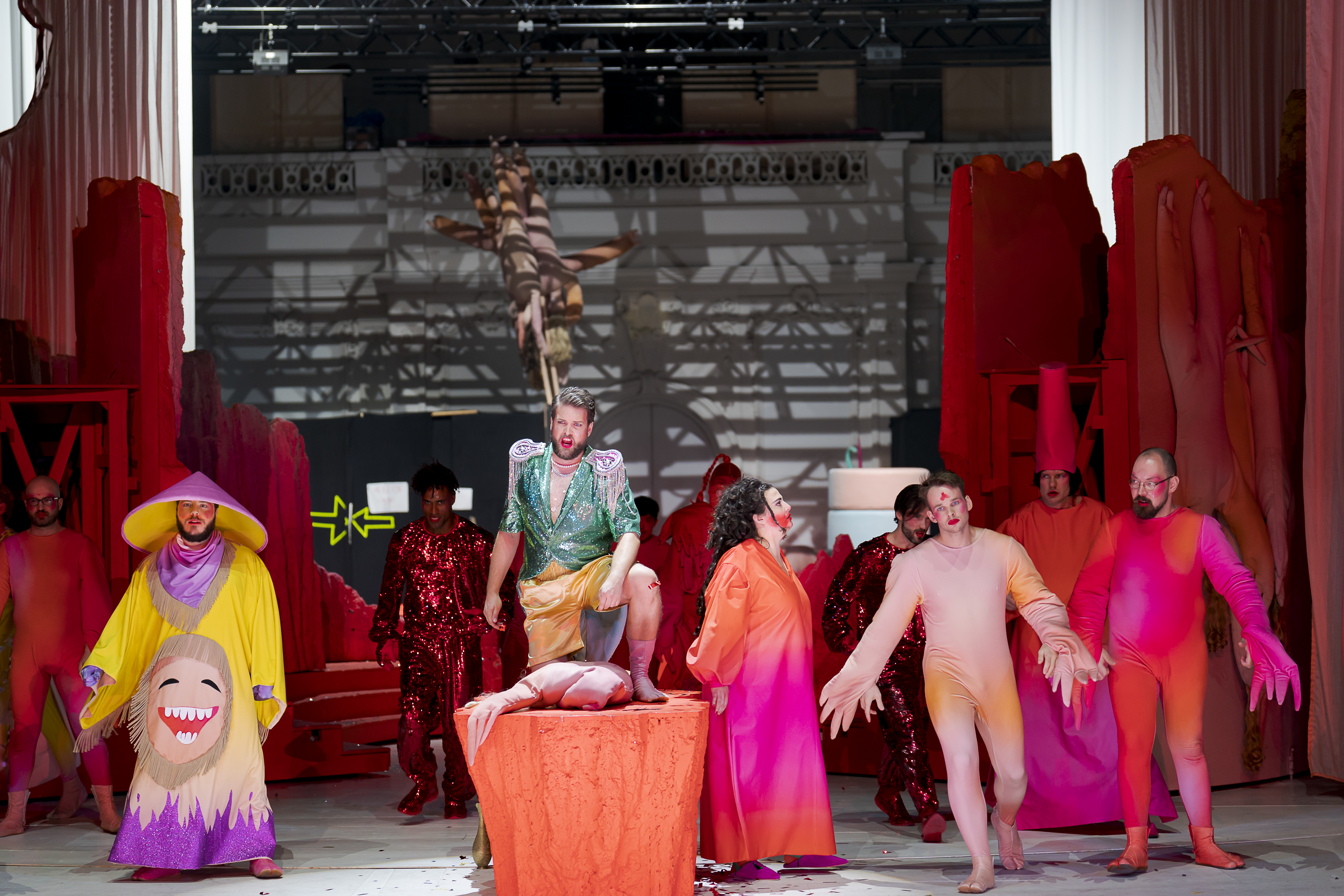
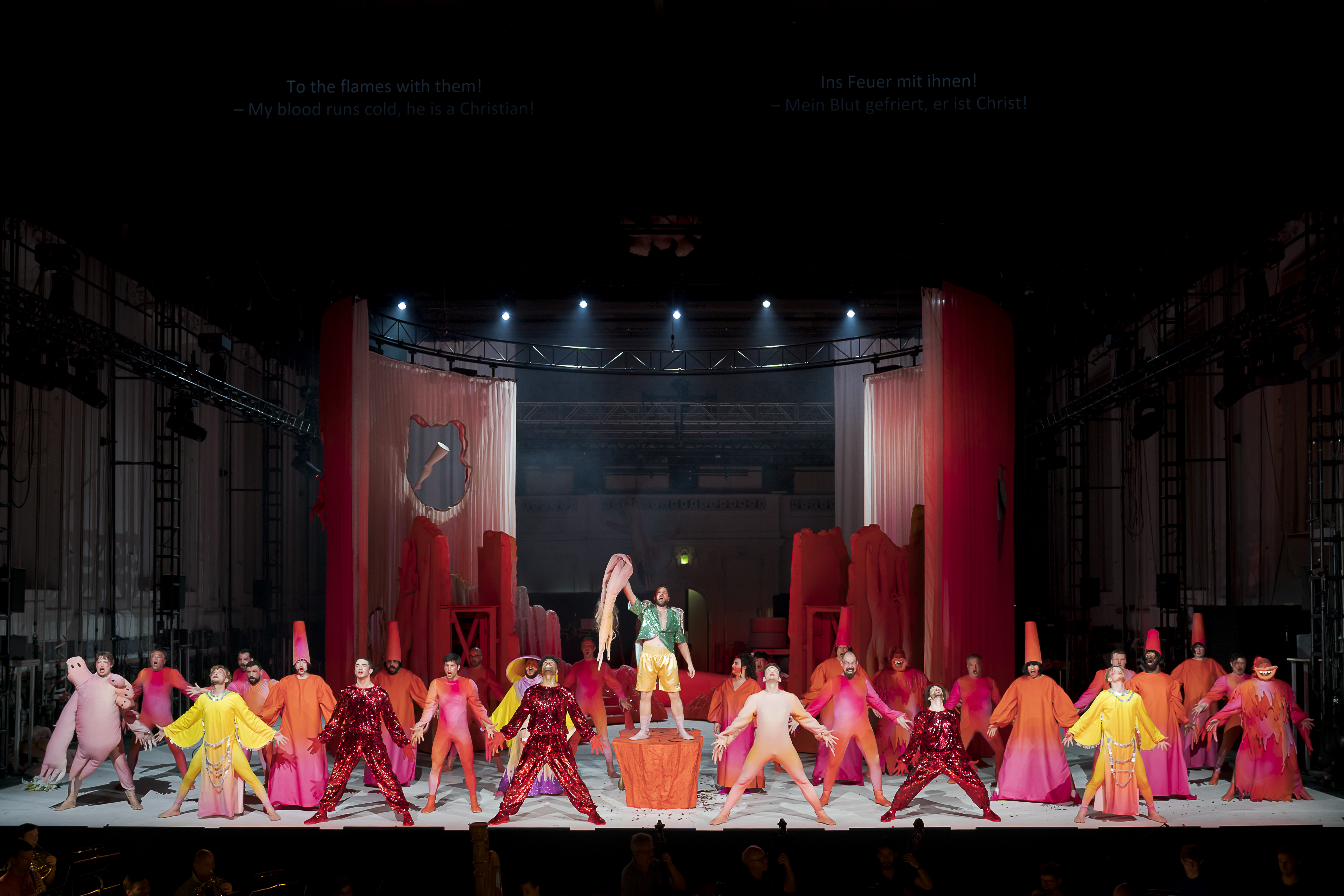
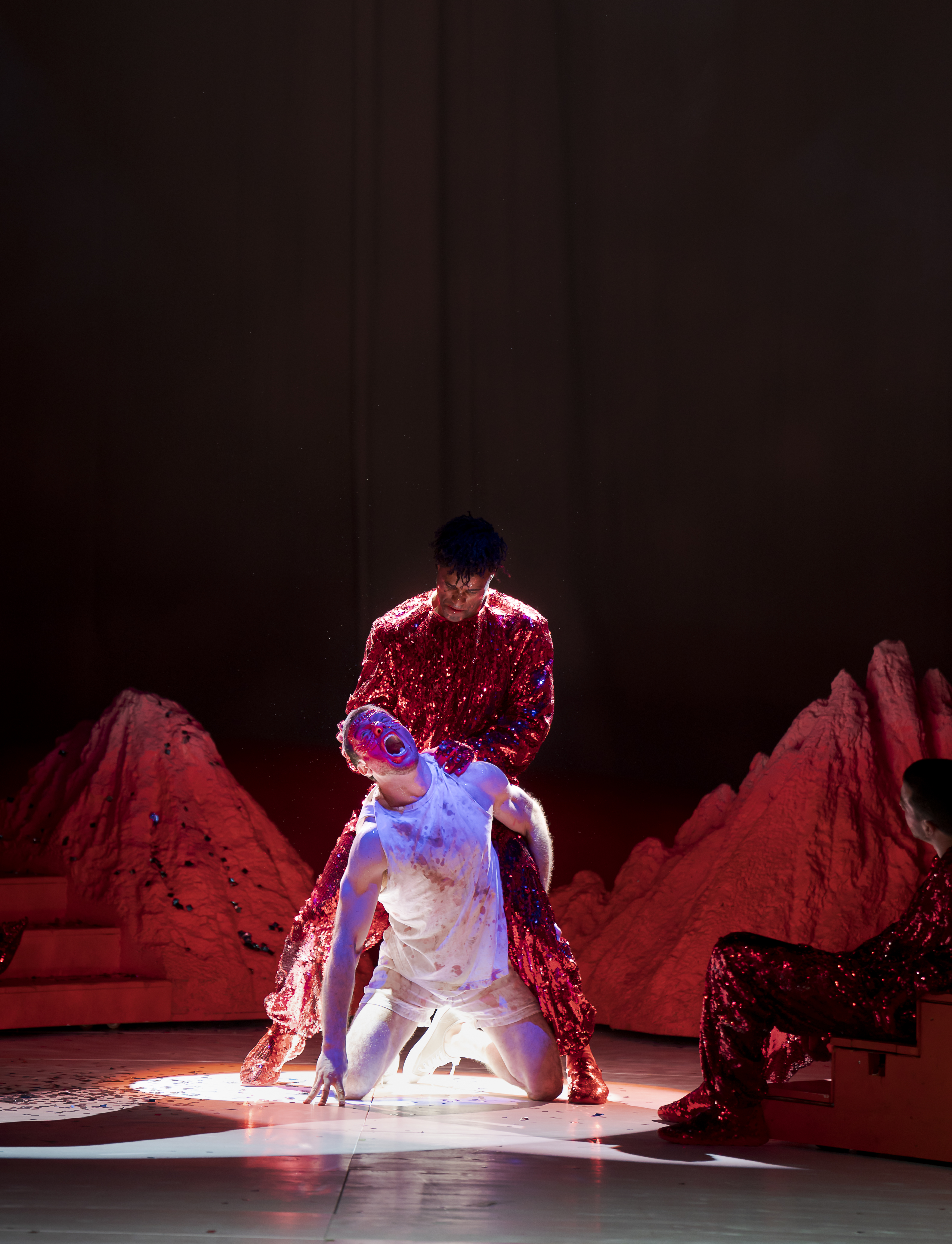
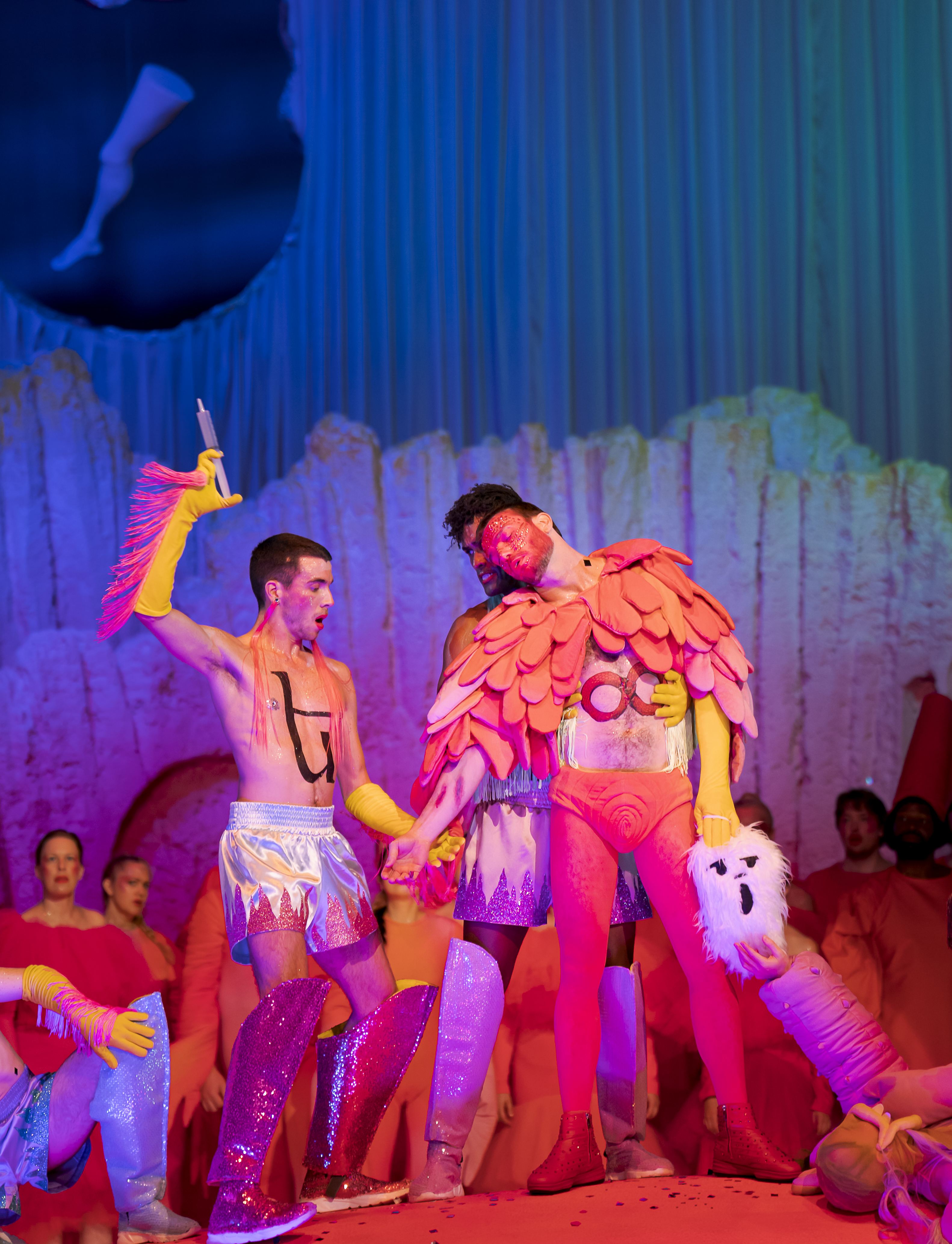
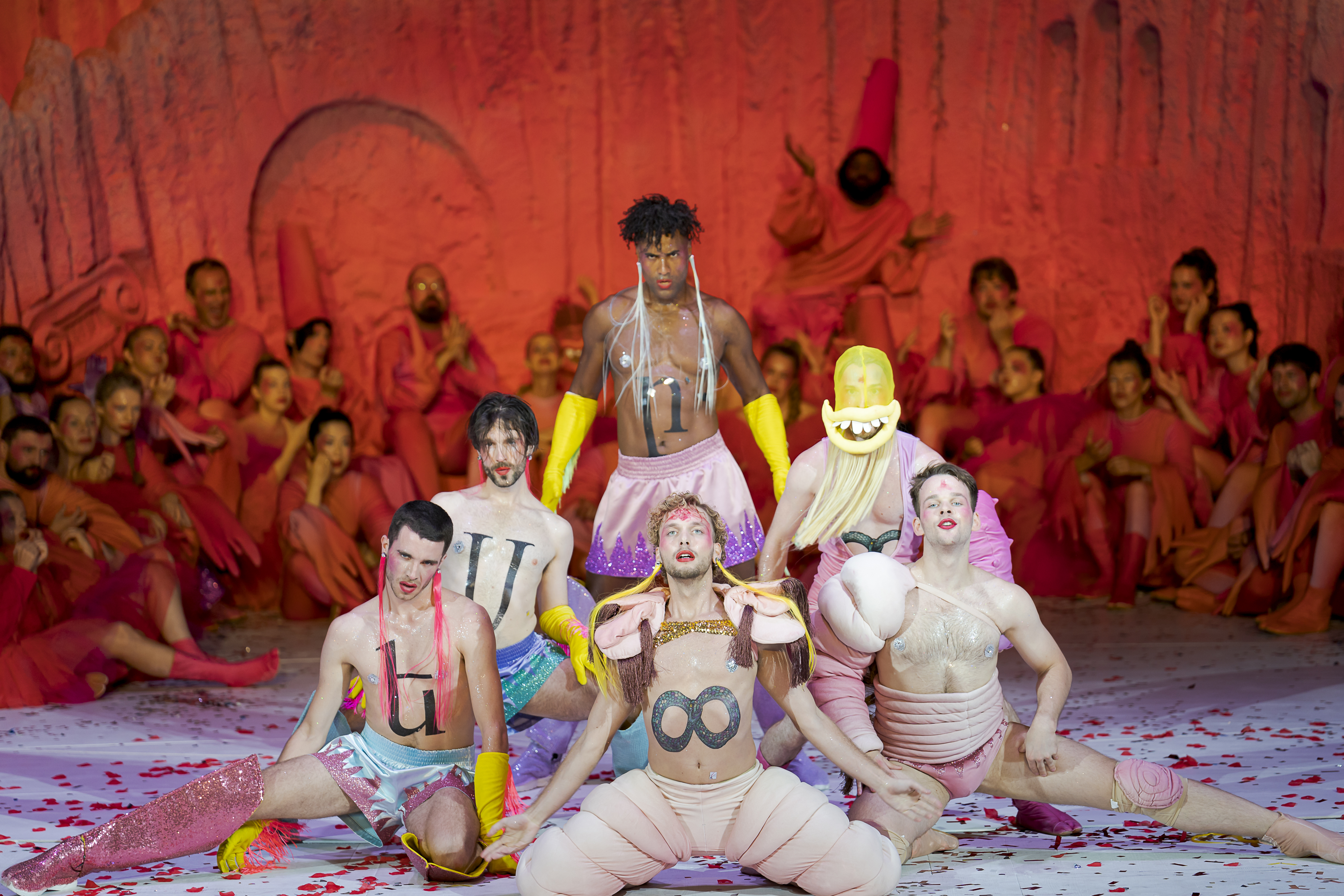
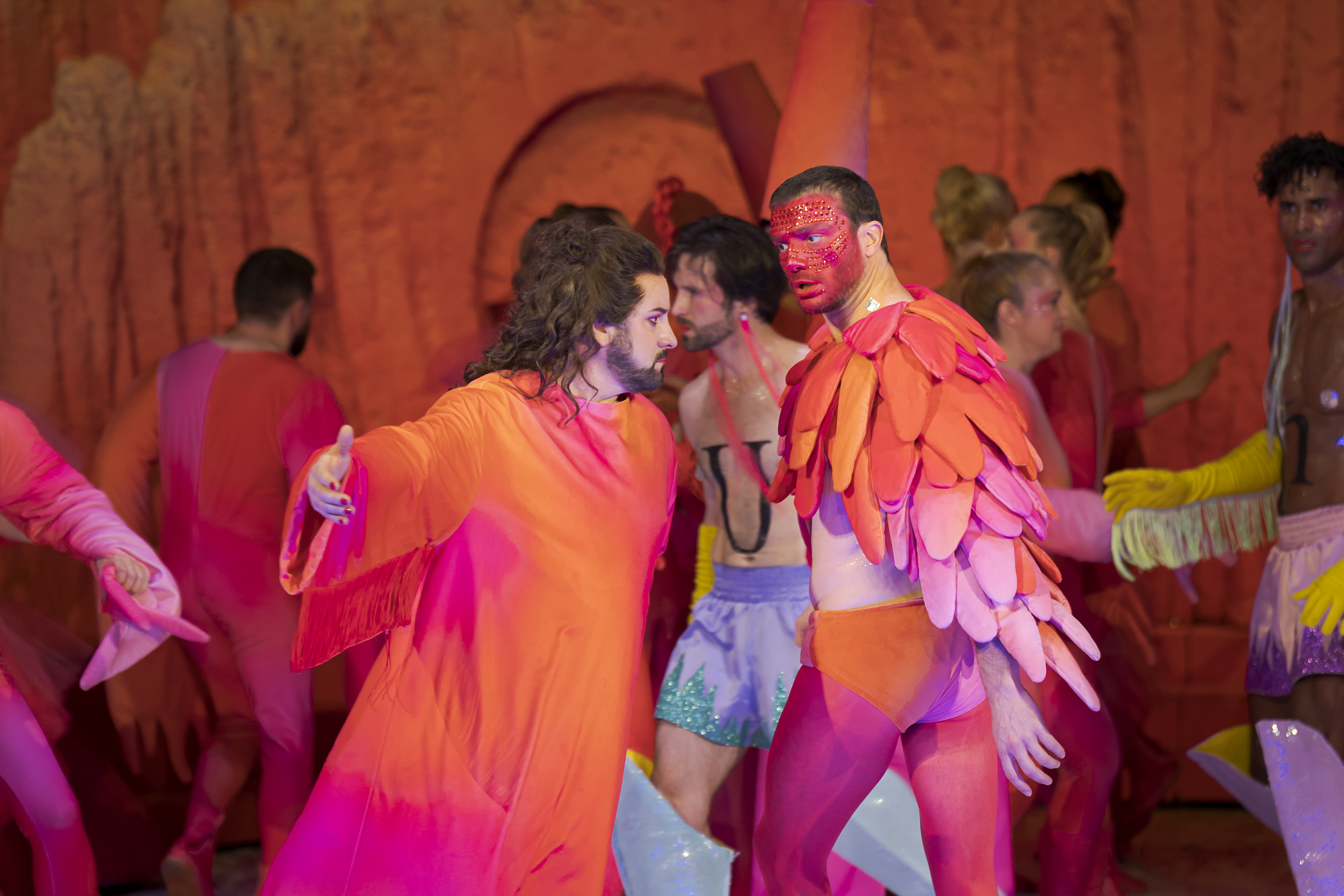
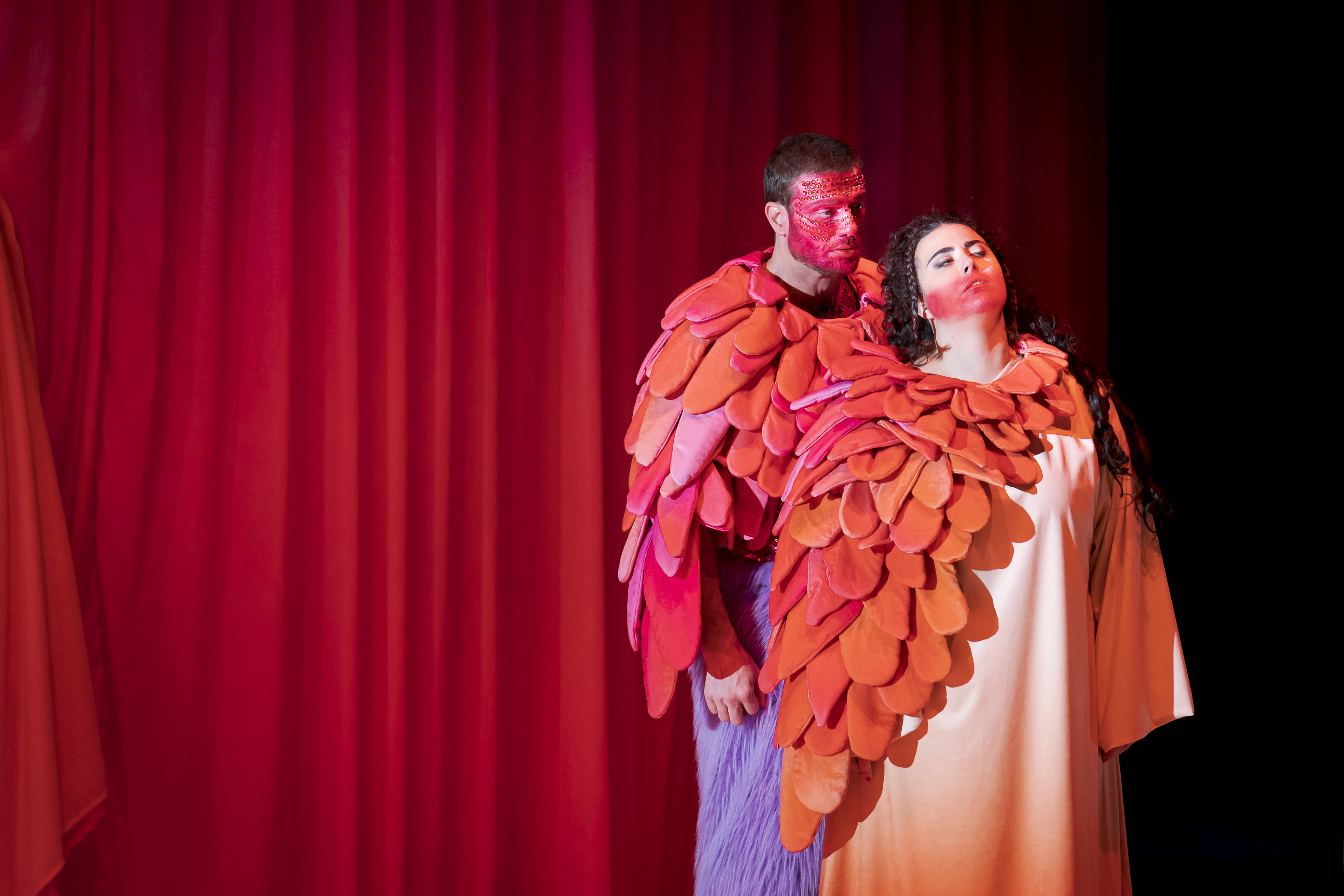
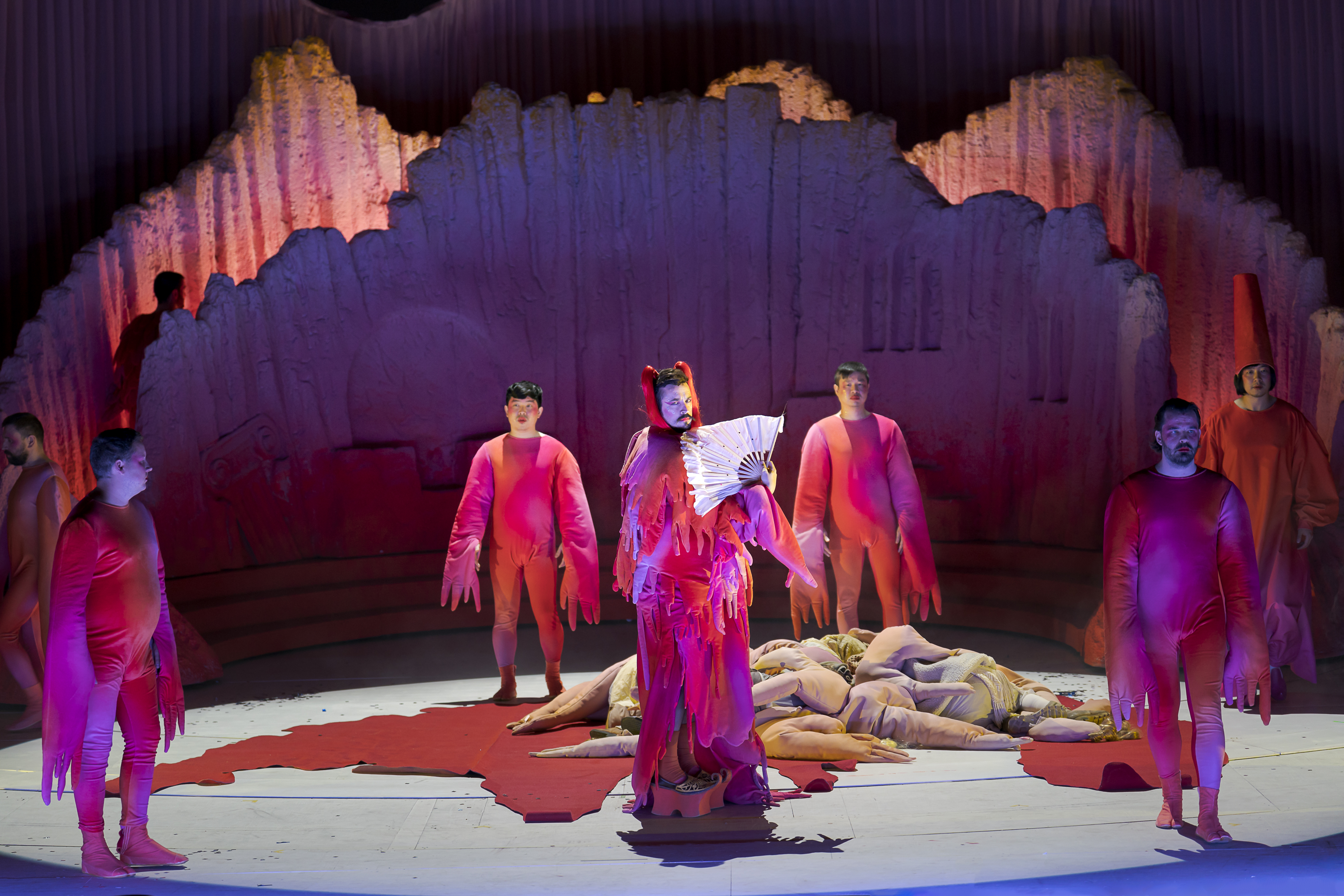
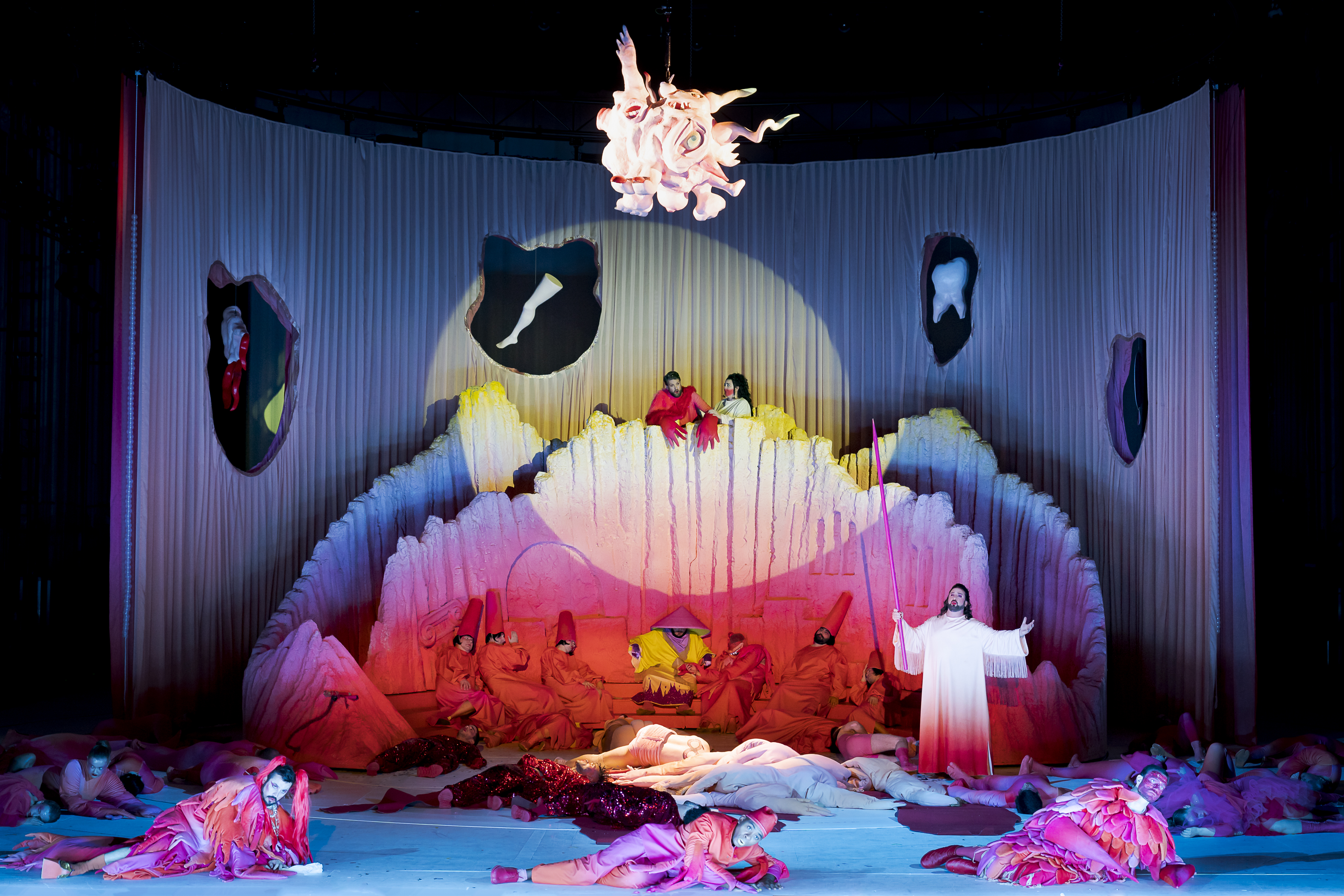
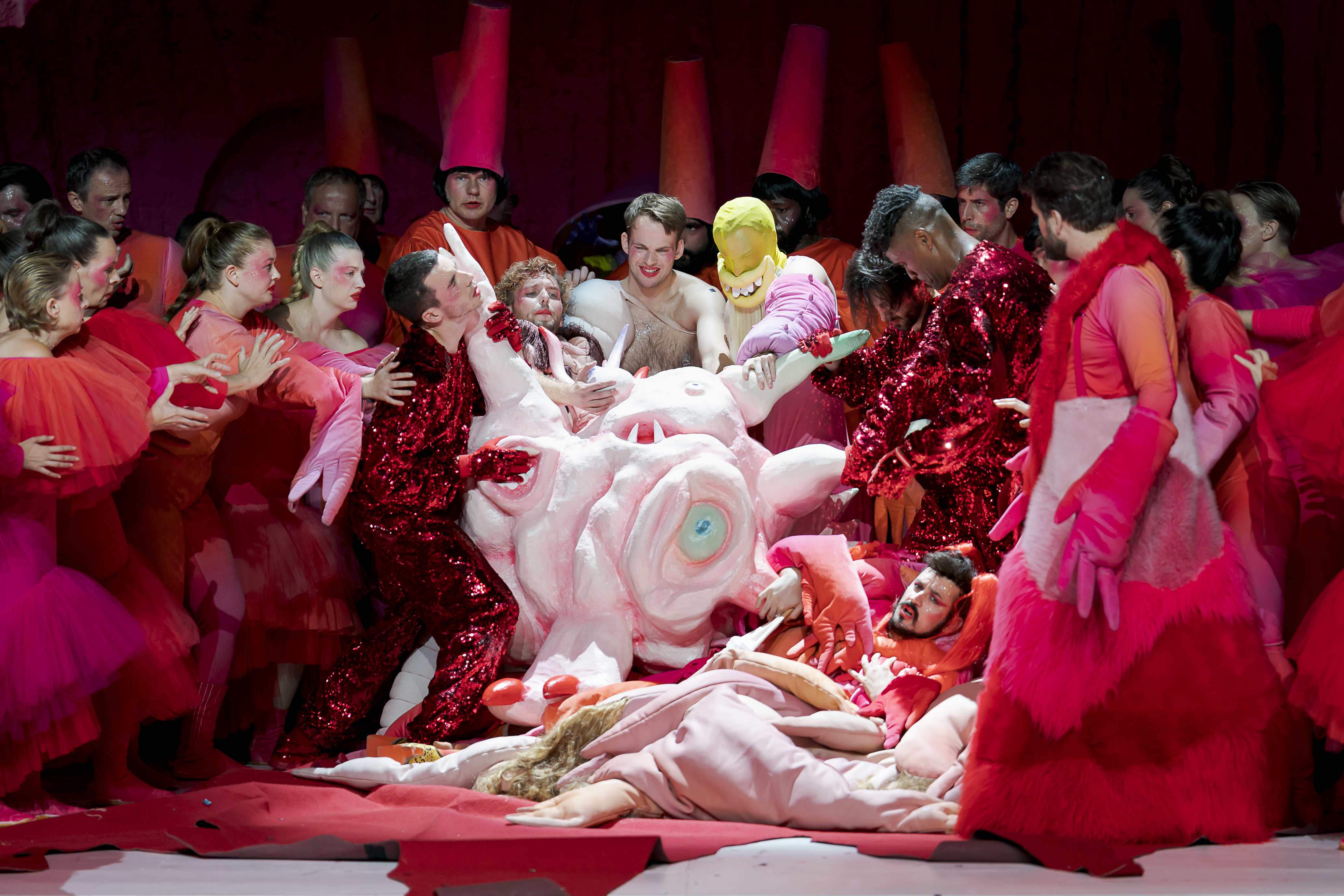
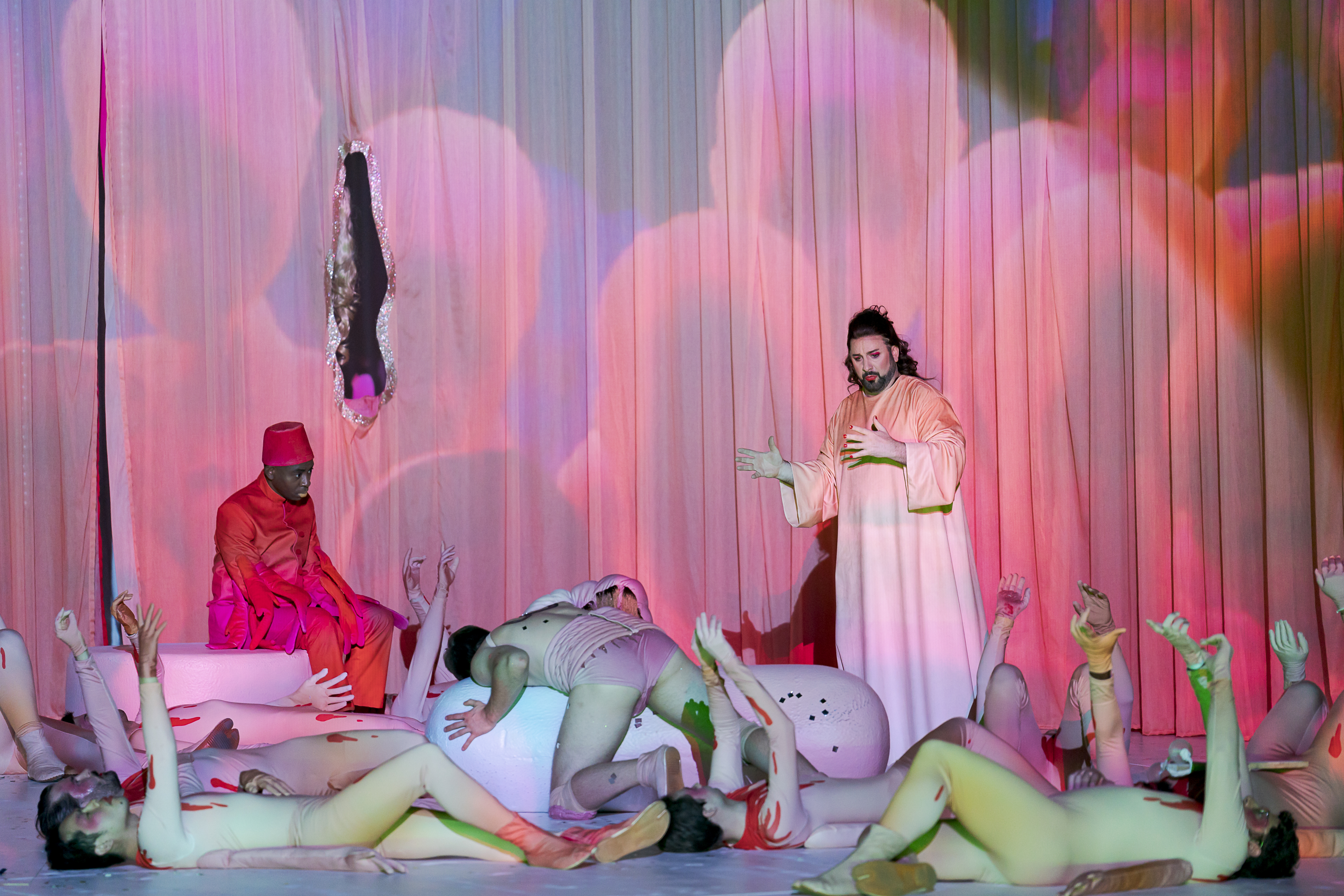
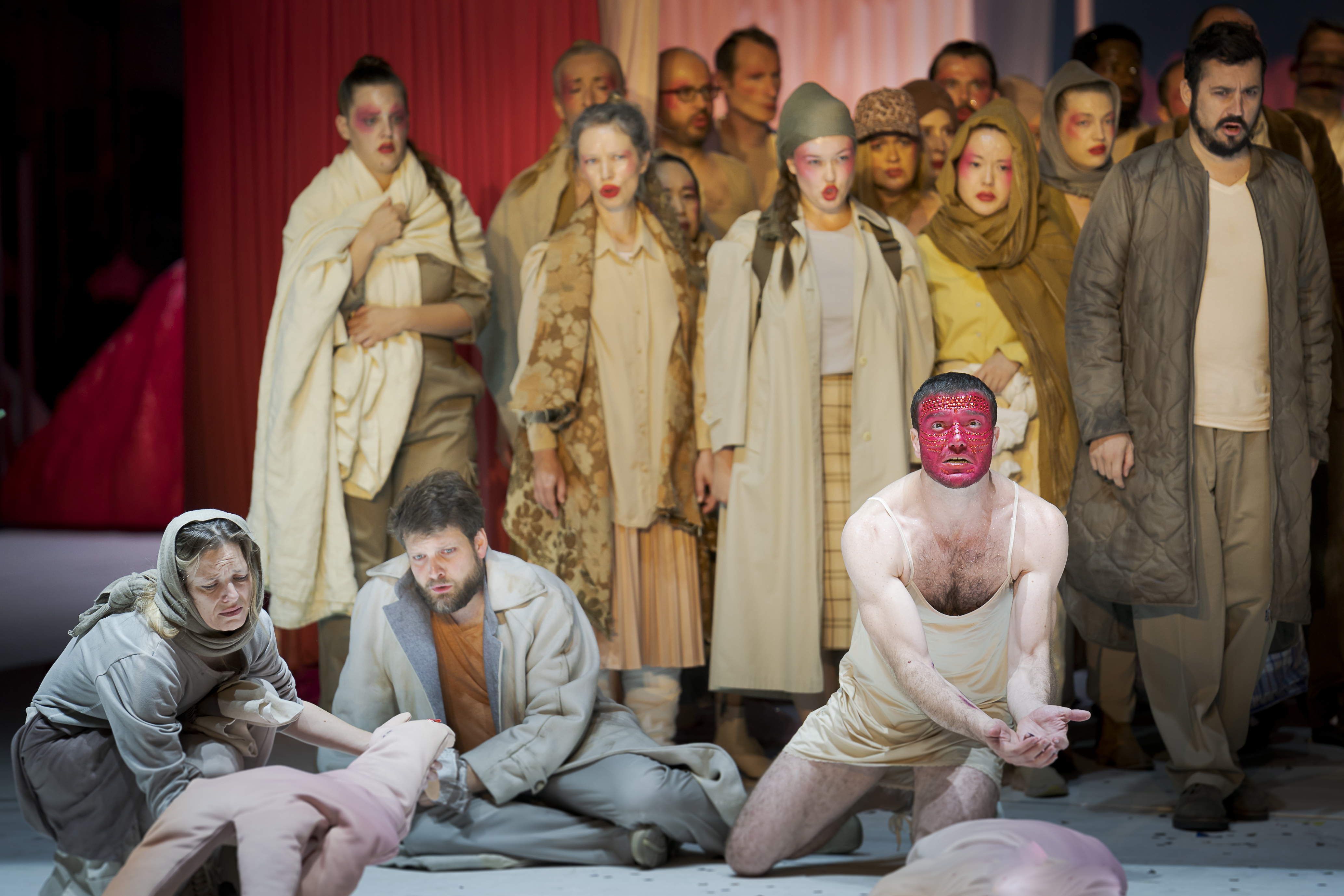
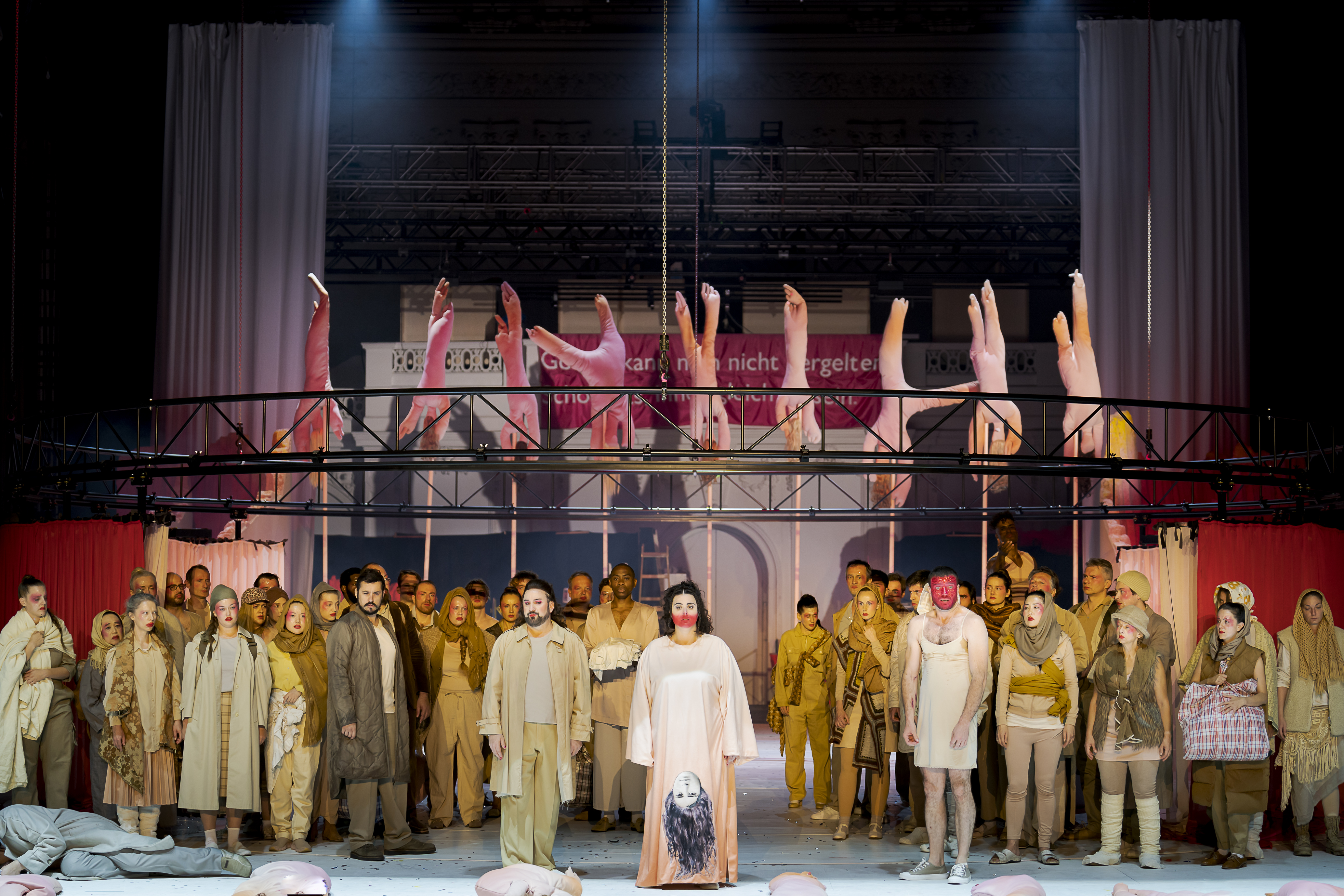
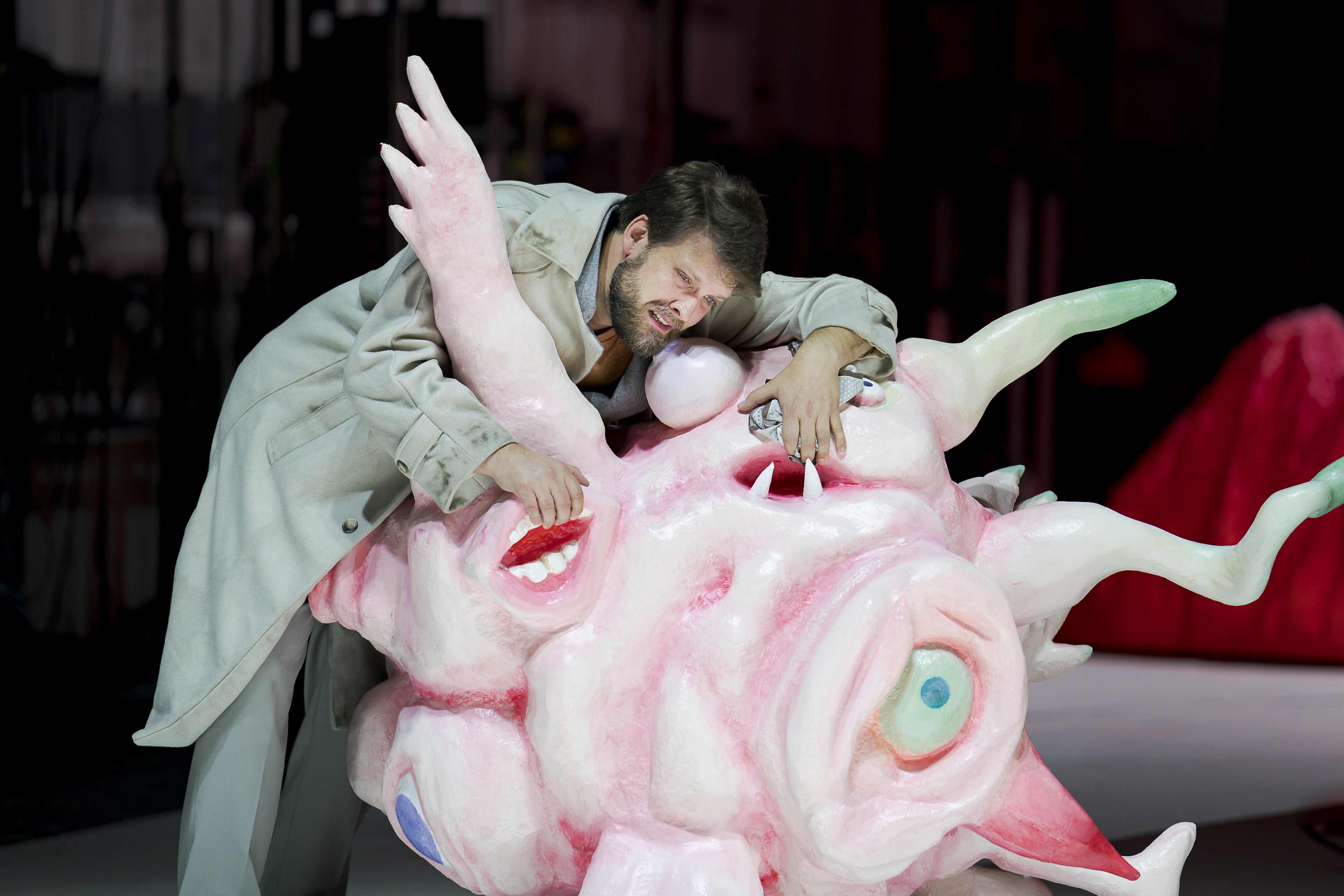
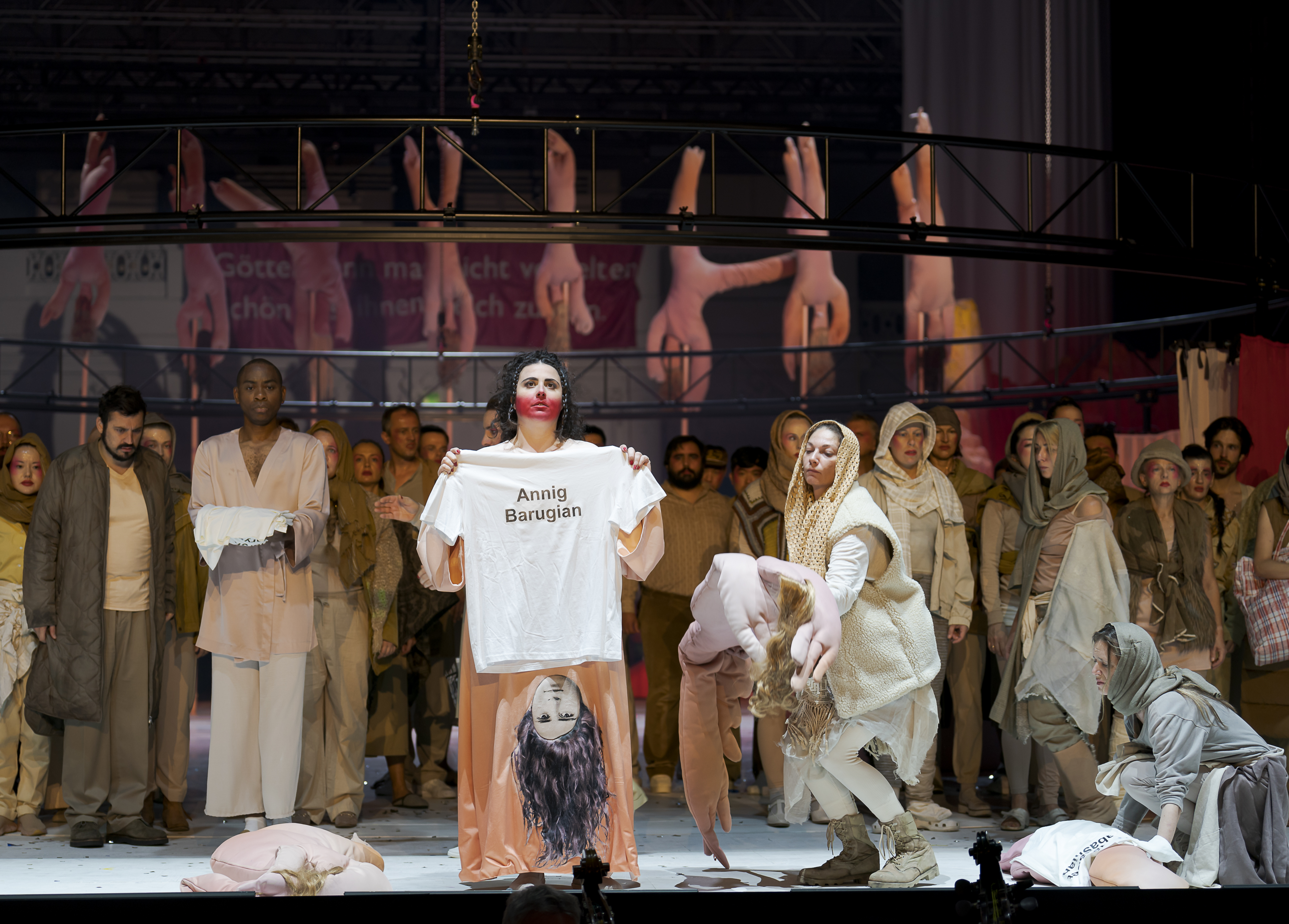
Is it permissible to make martyrdom the subject of an opera? In the 1830s, Italian censors answered with a resounding “No”, prompting Gaetano Donizetti to switch to France and enlist the help of librettist Eugène Scribe to publish the opera he was planning, Poliuto, as a grand opéra. Under the title Les Martyrs the work received its premiere in Paris in 1840 and included, among other things, a ballet scene, an innovative score structure that presaged the music-drama form, and a spectacularly reworked tenor part. In the days of the persecution of Christians in Armenia in Late Antiquity, a young woman is caught not just between two religions, but also between her husband and her former lover. Personal turmoil and ideological upheavals collide in an opera that risks the bold contrast between Italian bel canto and French Romanticism. In his production, director Cezary Tomaszewski concentrates on the tragic history of the country in which the action is set: Armenia.
In French with German and English surtitles
Introduction to the work 30 minutes before curtain-up
Trailer
ORF Radio-Symphonieorchester Wien
Arnold Schoenberg Chor
(Leitung: Erwin Ortner)
Act 1
In the 3rd century AD, Armenia is under Roman rule. Christianity is forbidden and subject to severe punishments.
The Armenian Christians meet in secret in the catacombs to baptise Polyeucte, son-in-law of the tyrannical governor Félix, a known enemy of Christians. Polyeucte knows that his baptism may result in his martyrdom. The fact that his wife Pauline knows nothing about his conversion to Christianity also weighs heavily on him.
For her part, Pauline is also in a dilemma because she is in love with a Roman general, Sévère, who has been reported missing in action. She only married Polyeucte to please her father. To have peace and solitude to think, she goes down into the catacombs, believing them to be empty. There she witnesses Polyeucte’s baptism and confronts him. However, to protect him from harm she decides not to tell anyone about this Christian gathering.
Act 2
Félix tightens the laws relating to the persecution of Christians: from now on, every baptised Christian will be subject to the death penalty. Pauline is horrified. In the meantime, preparations are under way for the arrival of a new Roman proconsul who is said to have a bitter hatred of Christians and will be in charge of their persecution. The proconsul is greeted with great pomp: it is none other than Sévère, Pauline’s former lover: the reports of his death were false. When Polyeucte and Sévère meet they realise that they are rivals for Pauline’s affections. The Roman priest Callisthènes bursts in on the festivities with a report that evidence has come to light of a Christian baptism in the catacombs.
Act 3
Pauline and Sévère remember the happy times they spent together but decide not to continue their romantic relationship. Polyeucte’s Christian friend Néarque is publicly interrogated in the temple to force him to reveal who it was who was recently baptised in the catacombs. When Néarque is threatened with the death penalty, Polyeucte steps forward. Félix has him arrested, but promises to pardon him if he renounces Christianity.
Act 4
Polyeucte refuses to give up his Christian faith. Félix and Pauline despair. When Pauline visits her husband in prison she has a vision of God and converts to Christianity. She decides to die as a martyr along with her husband. Félix and Sévère are horrified when both Polyeucte and Pauline enter the arena where the public execution is to take place. Together with other prisoners they are thrown to the lions.

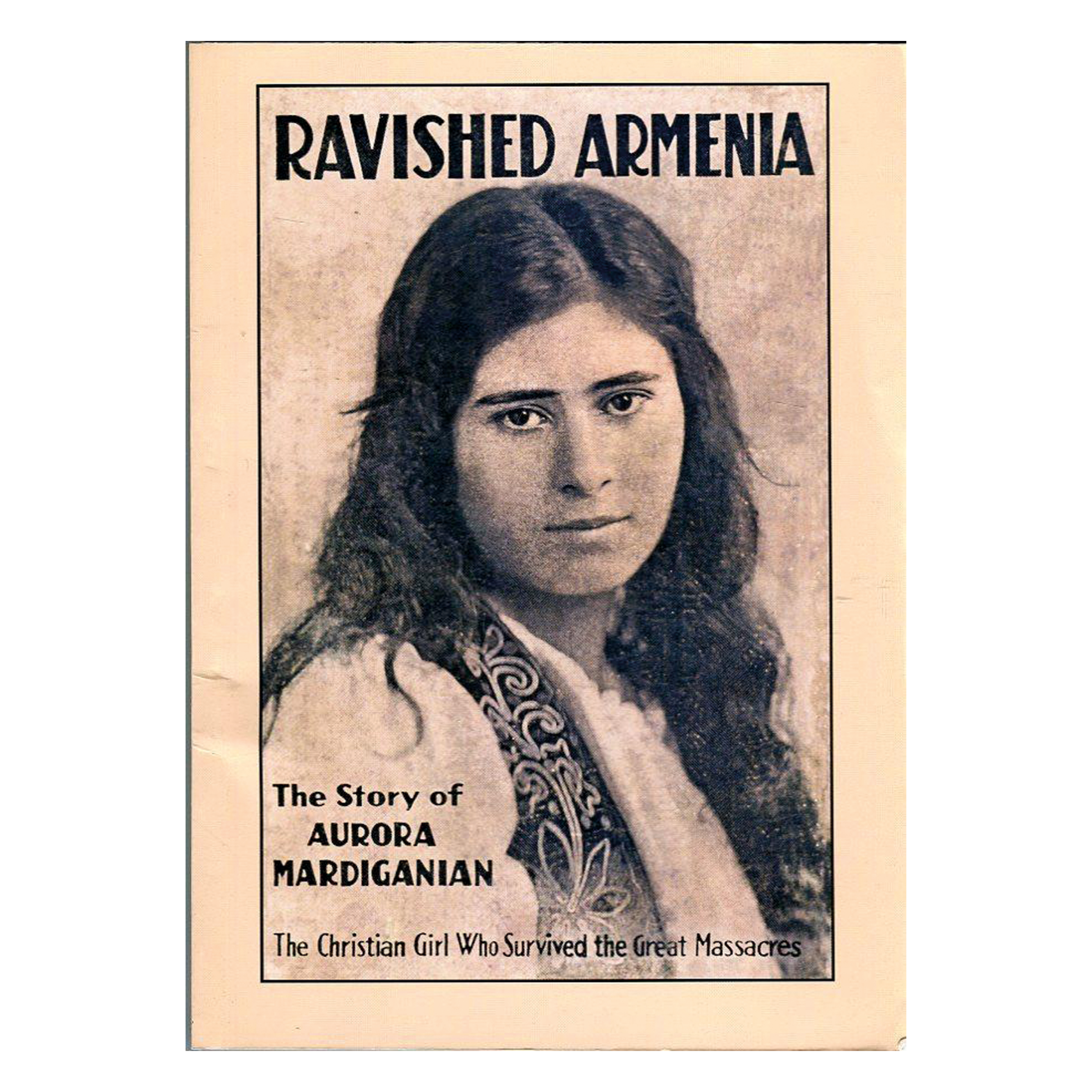
Sie ist eine der markanten Persönlichkeiten, die den Gräueln des Genozids in Armenien ein Gesicht gegeben haben: Aurora Mardiganian (ursprünglich: Arshaluys Mardigian)
Geboren 1901 in einer westarmenischen Kleinstadt wurde sie als Teenager zur Zeugin des grausamen Völkermords, der am Ostersonntag 1915 mit Hausarresten und Massakern begann. In den folgenden Jahren erlebte sie auf diversen Todesmärschen u. a. die Ermordung ihrer gesamten Familie. 1917 gelang es ihr, sich über Tiflis, Sankt Petersburg und Oslo nach Amerika abzusetzen, wo sie auf den Journalisten Harvey Leyford Gates traf. Aurora Mardiganian fasste daraufhin den Plan, ihre Geschichte zu publizieren.
1918 veröffentlichte sie ihren Augenzeugenbericht unter dem Titel Ravished Armenia (wörtlich: „geschändetes Armenien“). Während die erste Ausgabe kaum Beachtung fand, wurde die im Jahr darauf erschienene zweite Ausgabe ein Bestseller in den Vereinigten Staaten. Ein Grund dafür war gewiss die noch 1918 begonnene und 1919 herausgebrachte Verfilmung des Buches. Der Regisseur Oscar Apfel schrieb die Memoiren um zu einem Drehbuch mit dem Titel Das ausgeraubte, geschändete Armenien oder die versteigerten Seelen. Während er die Nebenrollen mit damaligen Hollywood-Größen besetzte, kamen in den Massenszenen Armenier und Griechen als Statist*innen auf. Doch das Außergewöhnlichste ist mit Sicherheit der Umstand, dass Aurora Mardiganian selbst die Hauptrolle übernahm und ihre eigenen Torturen auf die Leinwand brachte. Mithin ist dieser Film sowohl Spiel- wie auch Dokumentarfilm. Wie es auch heute noch bei Hollywood-Produktionen der Fall ist, wurde die Hauptdarstellerin mit dem Film auf Promotion-Tour durch verschiedene amerikanische Großstädte geschickt. Tatsächlich spielte die Produktion 30 Millionen Dollar ein, die allesamt armenischen Waisenkindern zugutekamen. Bereits bei der ersten öffentlichen Aufführung am 16. Februar 1919 in Los Angeles überschlugen sich Publikum und Presse mit Lob, und insbesondere die schauspielerische Leistung der Hauptdarstellerin wurde gewürdigt. Der Star-Rummel um ihre Person wurde Aurora Mardiganian bald zu viel, und nachdem sie bei einer Cocktail-Party vor Erschöpfung in Ohnmacht gefallen war, verweigerte sie weitere öffentliche Auftritte. Daraufhin wurden einige junge Mädchen engagiert, die ihr ähnlich sahen und sich bei den Filmvorführungen als Aurora Mardiganian ausgaben.
Doch bevor Buch und Film auch in Europa publik gemacht wurden, wurden die Werke unter bis heute nicht aufgearbeiteten Umständen (bei denen politische und diplomatische Beziehungen eine Rolle gespielt haben dürften) aus dem Verkehr gezogen und zensiert. US-Bibliotheken durften keine Exemplare des Berichts mehr verleihen, und auch die Filmbänder wurden eingezogen und möglicherweise vernichtet. Bis heute ist das vollständige Material nicht gefunden worden – überlebt hat allerdings ein knapp 20-minütiges Fragment, das u. a. auf der Online-Plattform YouTube zu finden ist.
Über Aurora Mardiganians weiteres Leben ist nicht viel bekannt, obwohl sie im Laufe der Zeit einige Interviews gab. Sie starb 1994 im Alter von 93 Jahren. Ihre Nachbar*innen berichteten, dass sie in ihren letzten Lebensjahren dement war und ihre Wohnung nicht mehr verließ – sie lebte offenbar in der ständigen Angst, überfallen und verschleppt zu werden.