
A comic operetta in two acts
Music by Leonard Bernstein
Book by Hugh Wheeler after Voltaire
Lyrics by Richard Wilbur
with additional lyrics by Stephen Sondheim, John LaTouche, Dorothy Parker, Lillian Hellman and Leonard Bernstein
Instrumentation by Leonard Bernstein and Hershy Kay
Musical transitions and additional orchestration by John Mauceri
Narrative text for concert performances by Leonard Bernstein and John Wells,
based on the satire by Voltaire and the book by Hugh Wheeler;
arranged and completed by Erik Haagensen
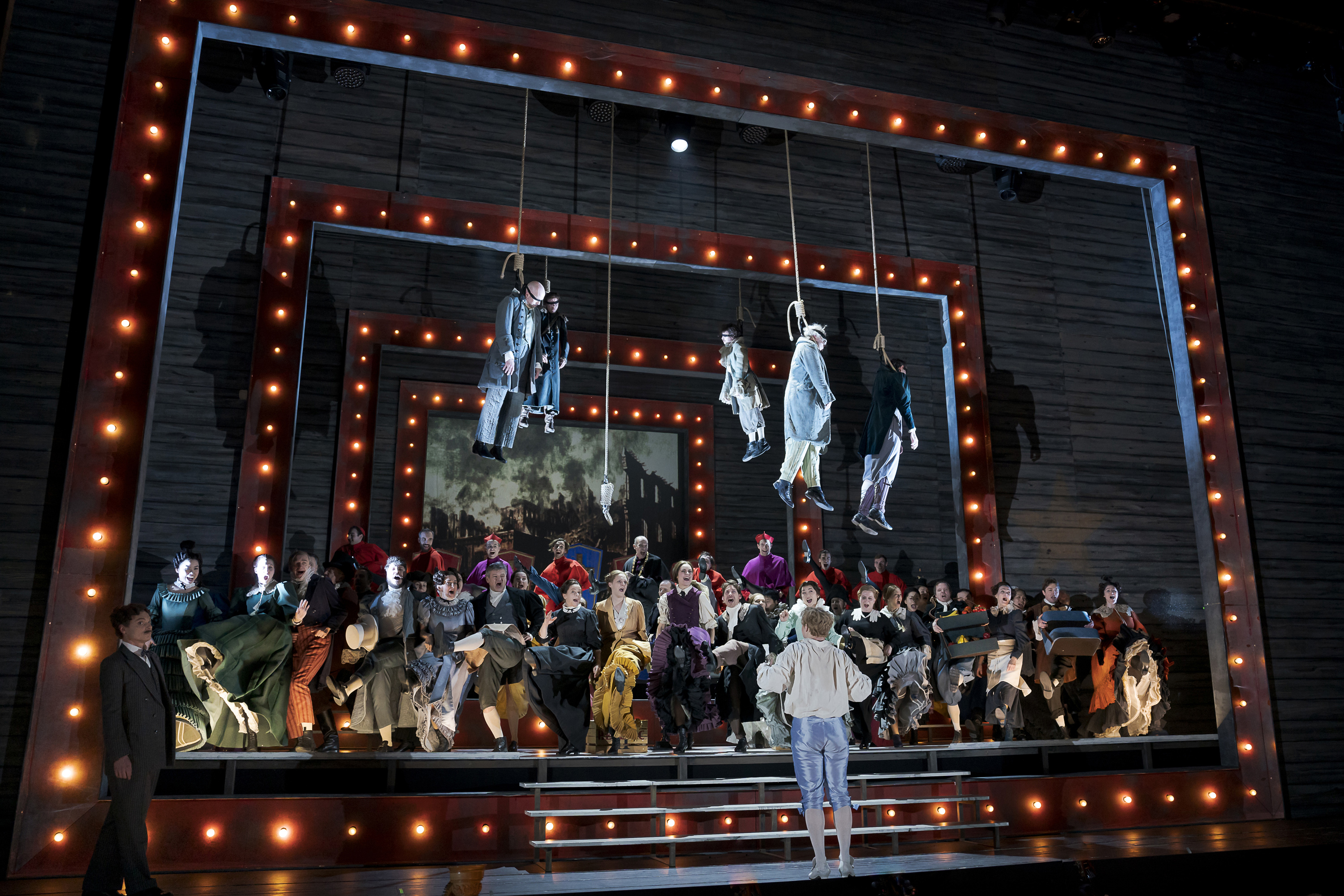
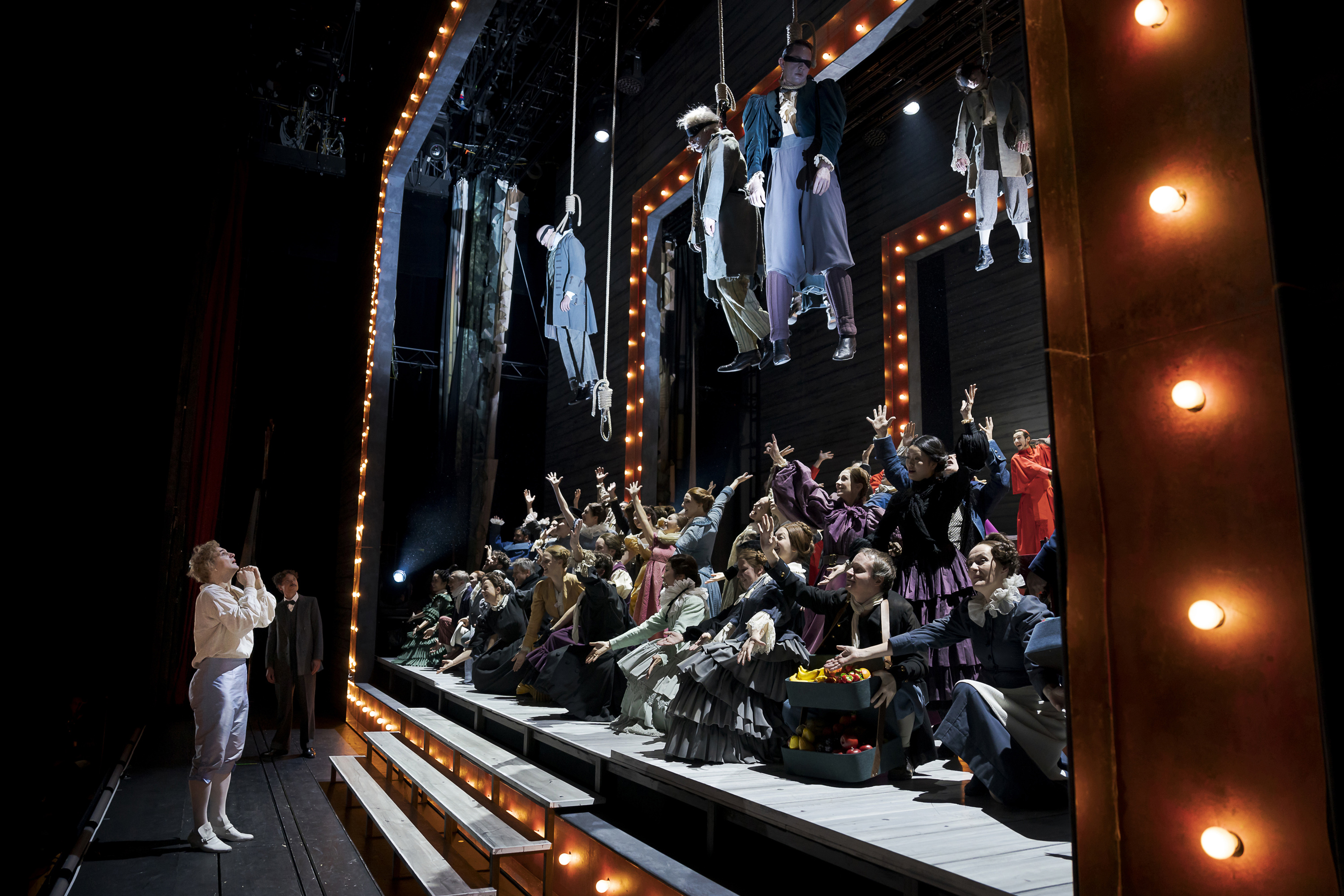
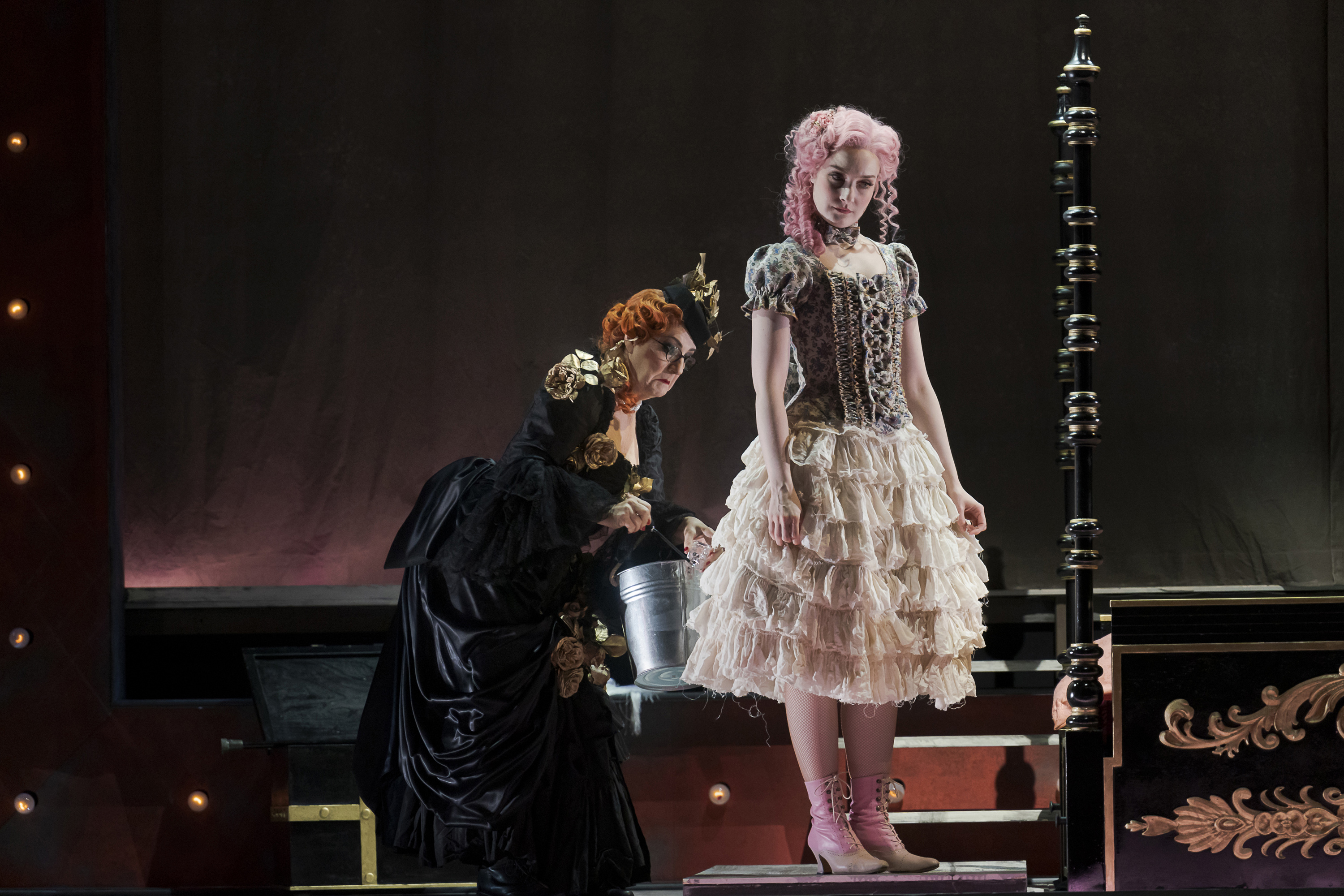
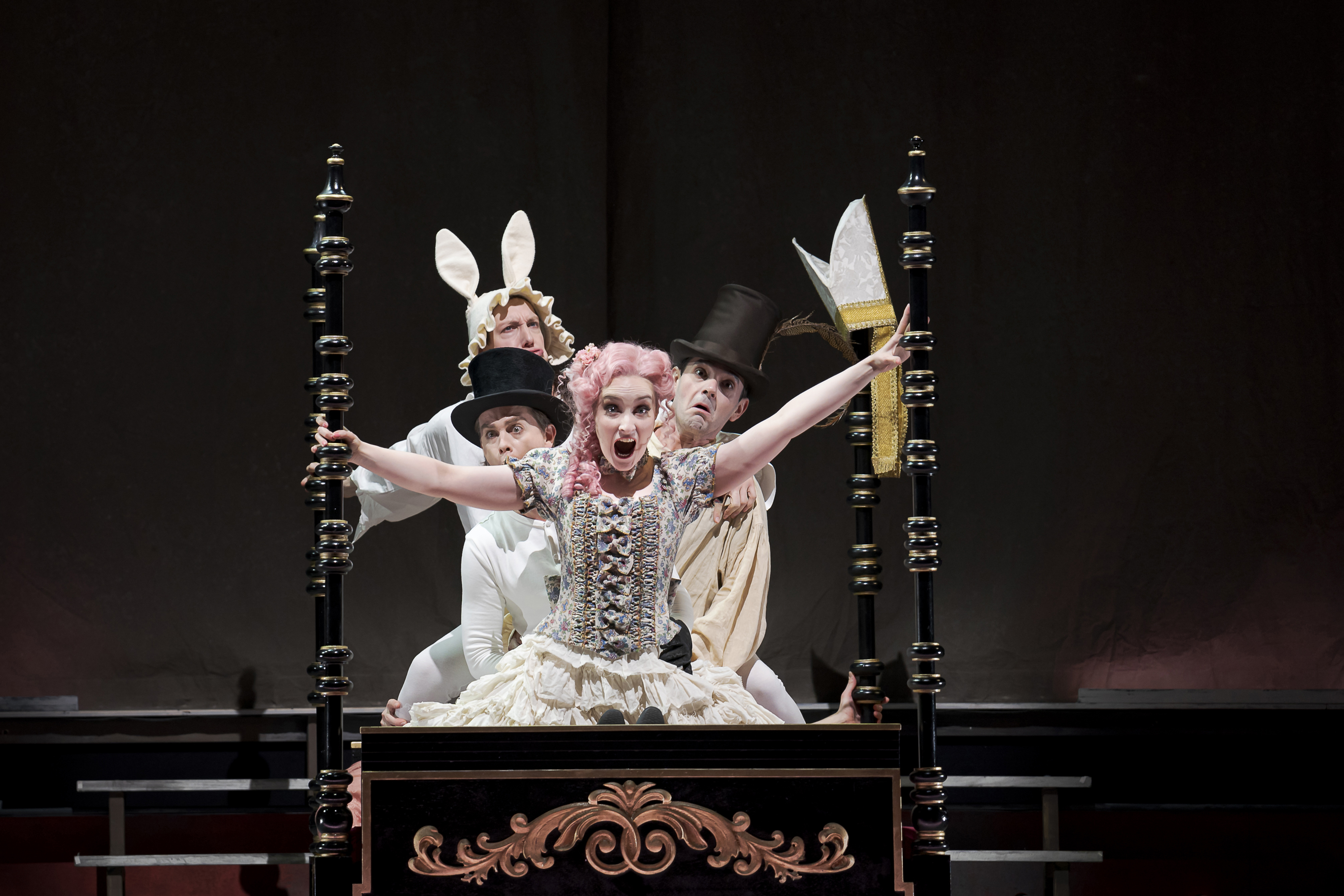
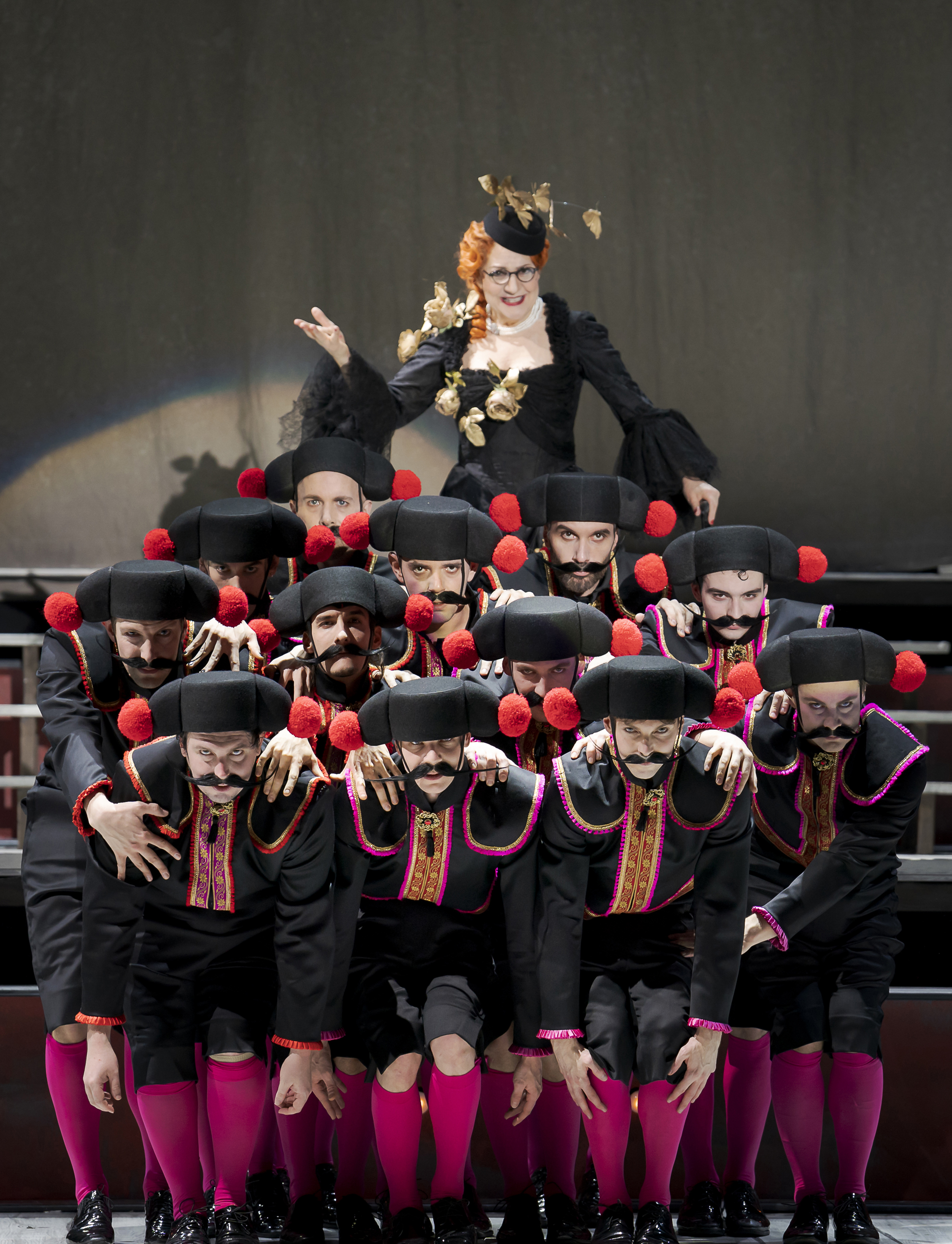
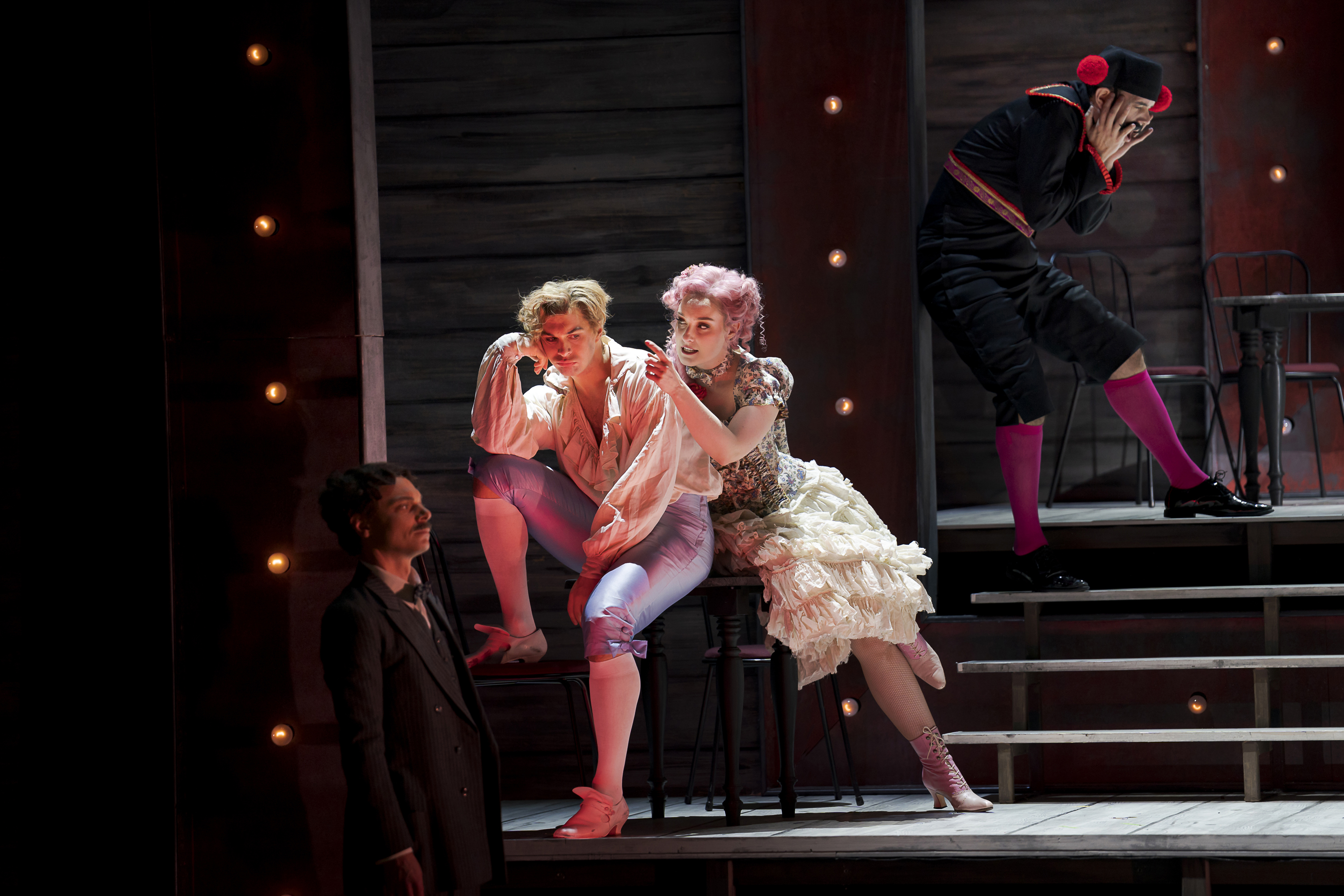
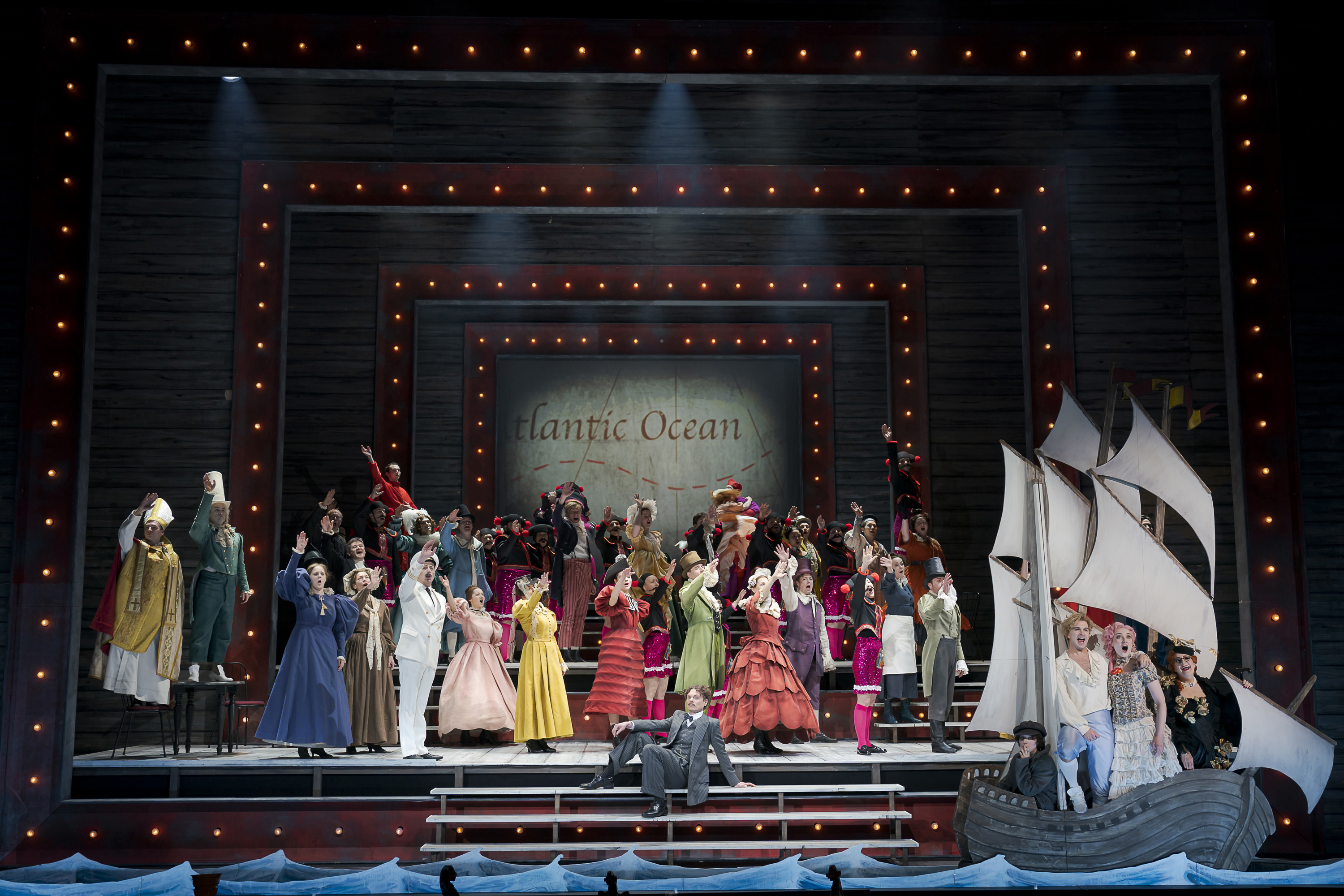
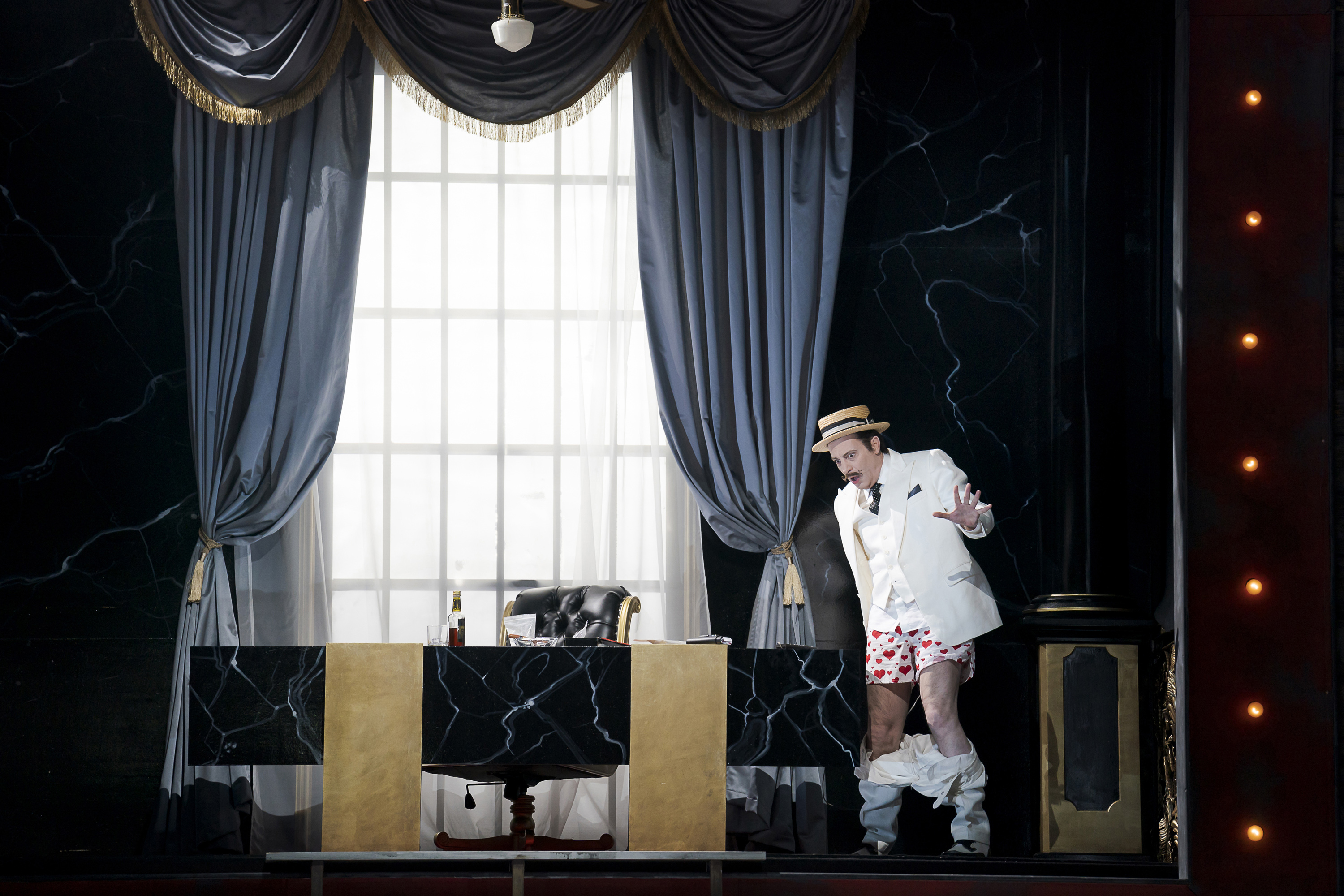
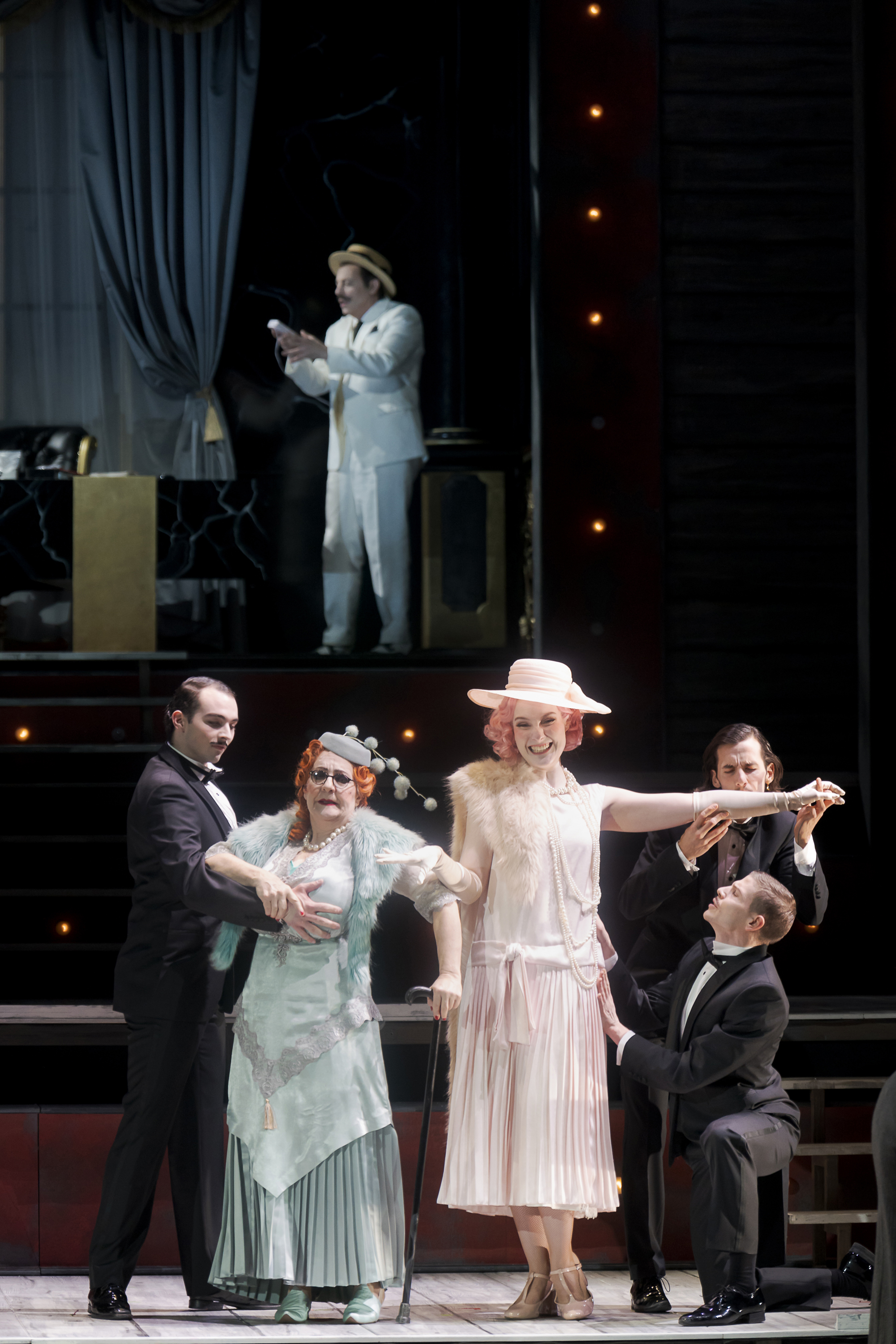
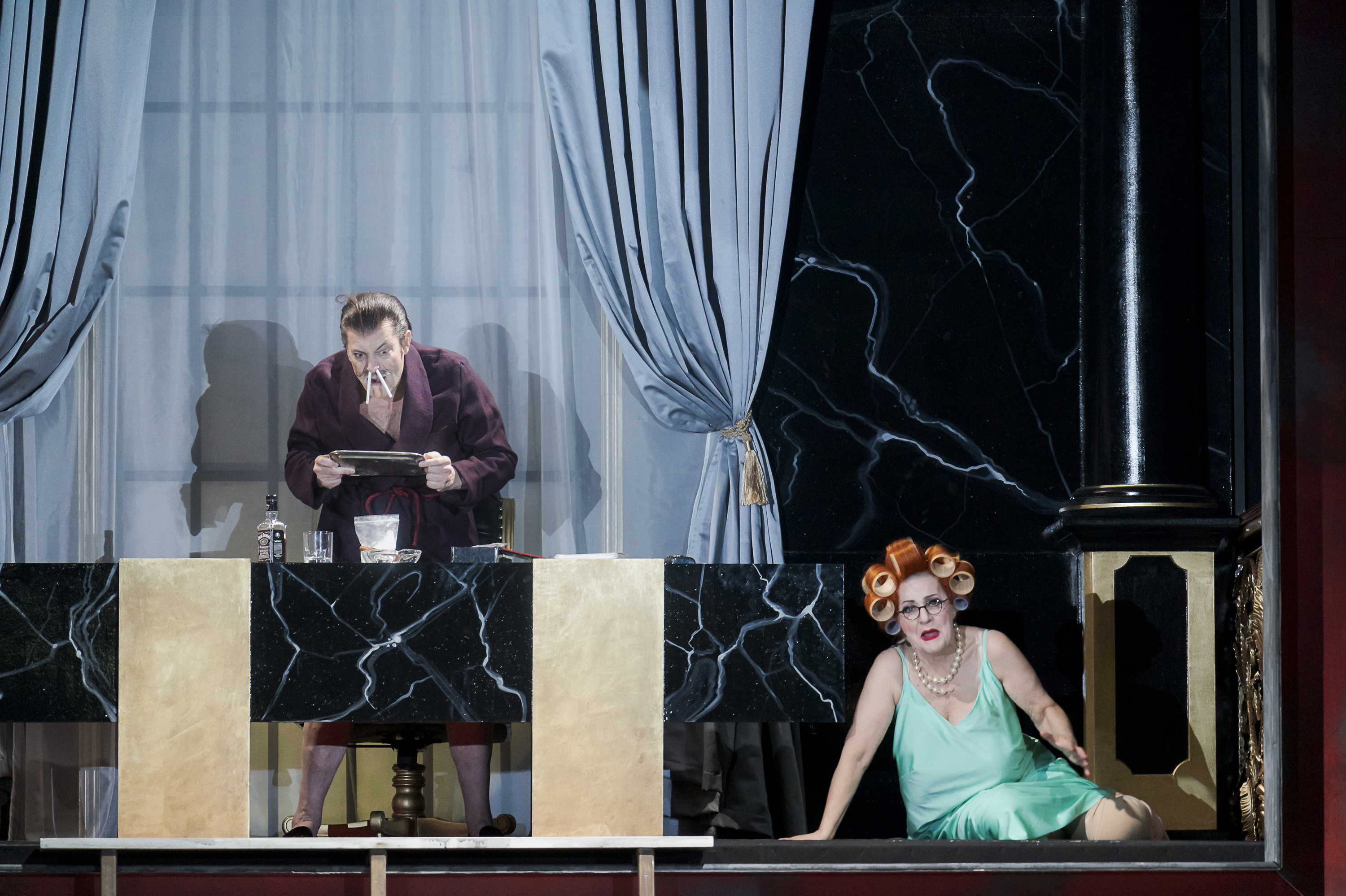
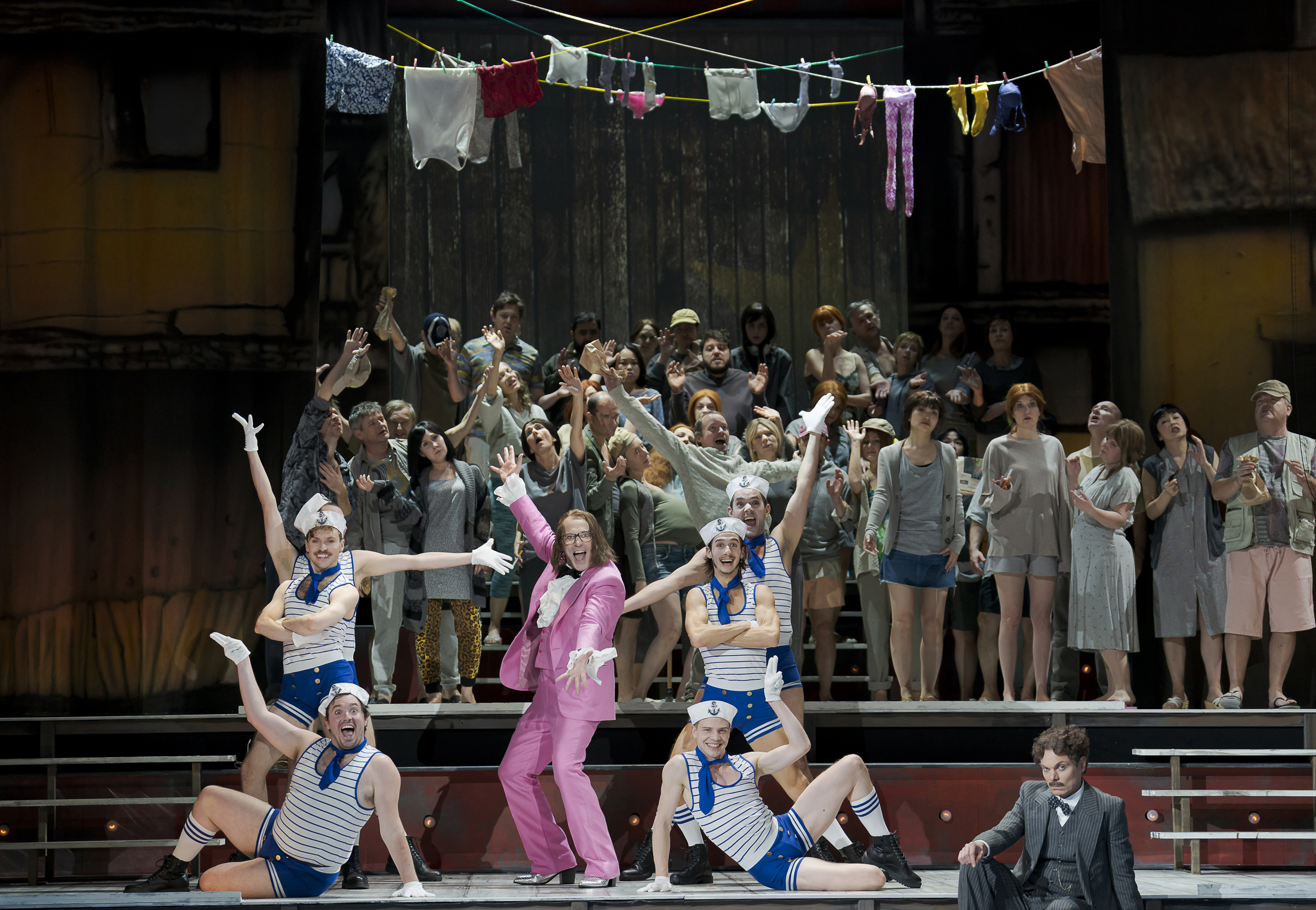
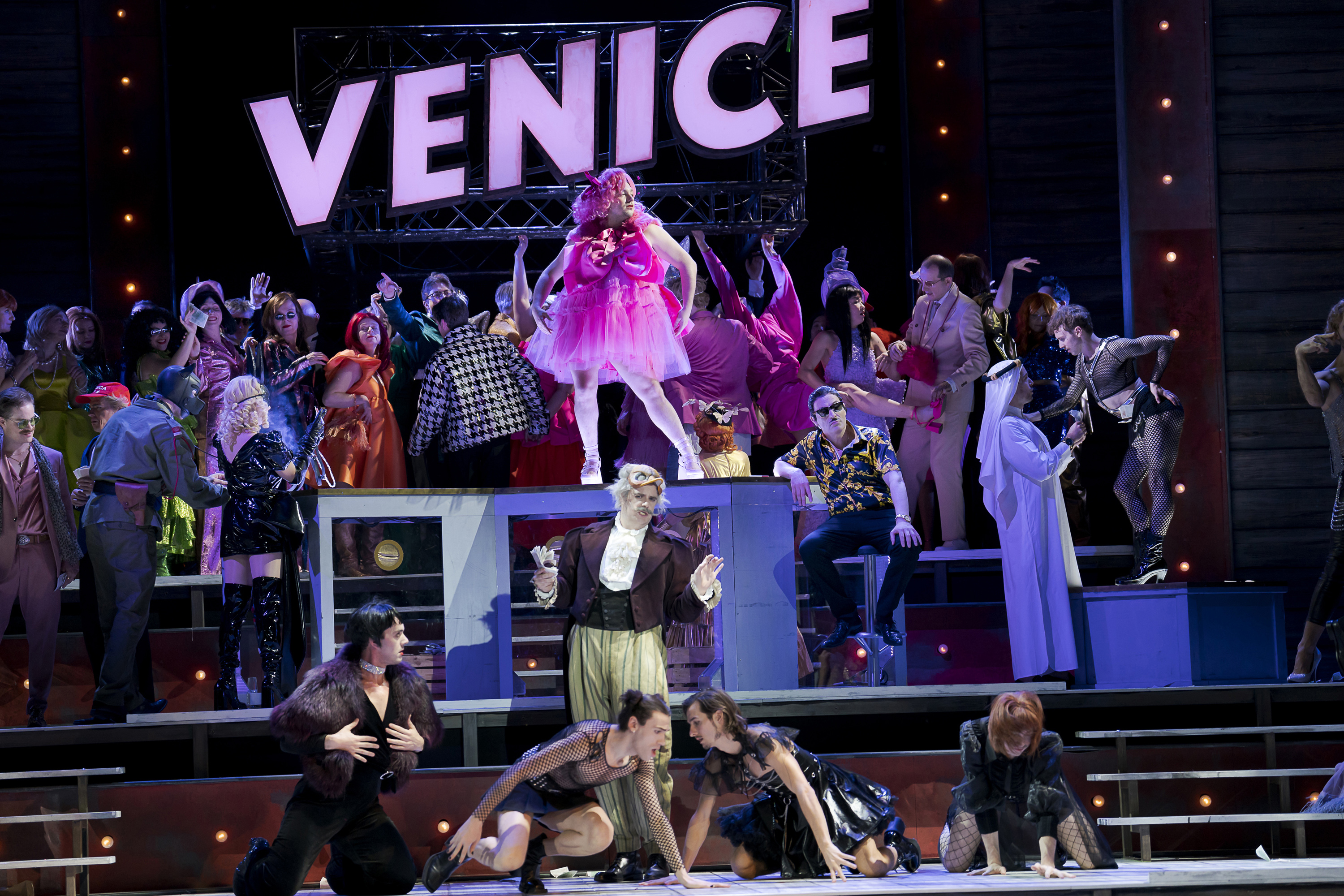
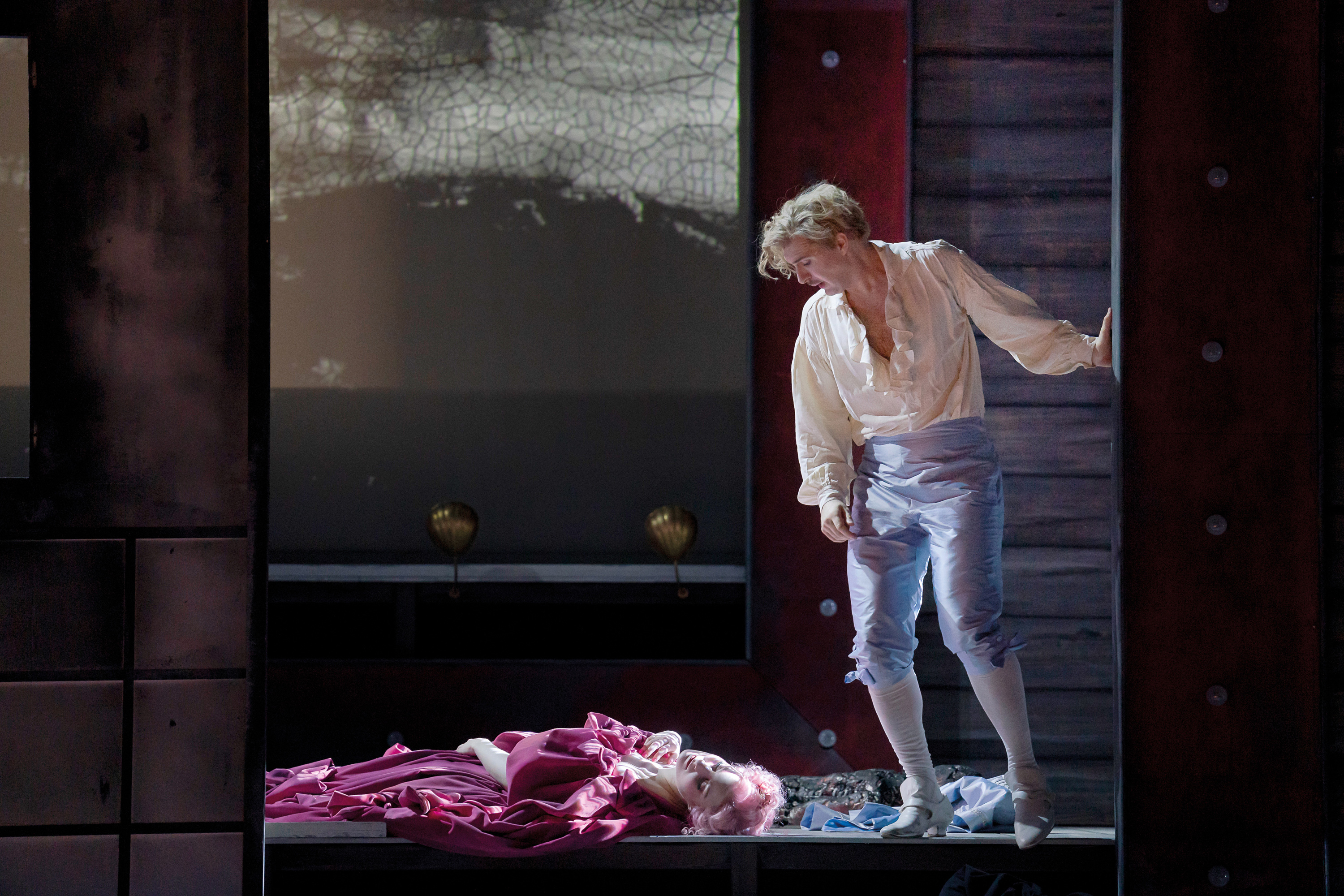
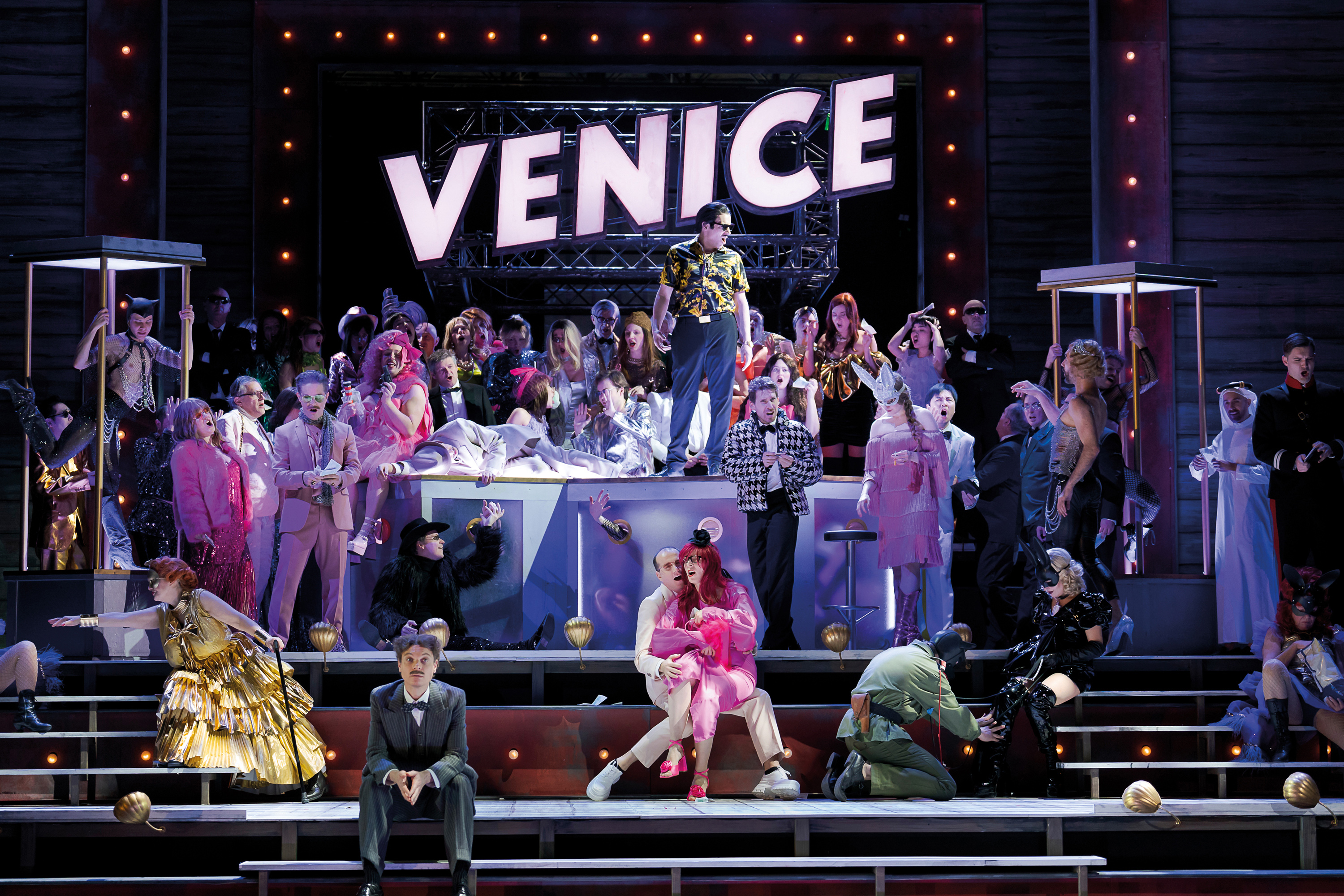
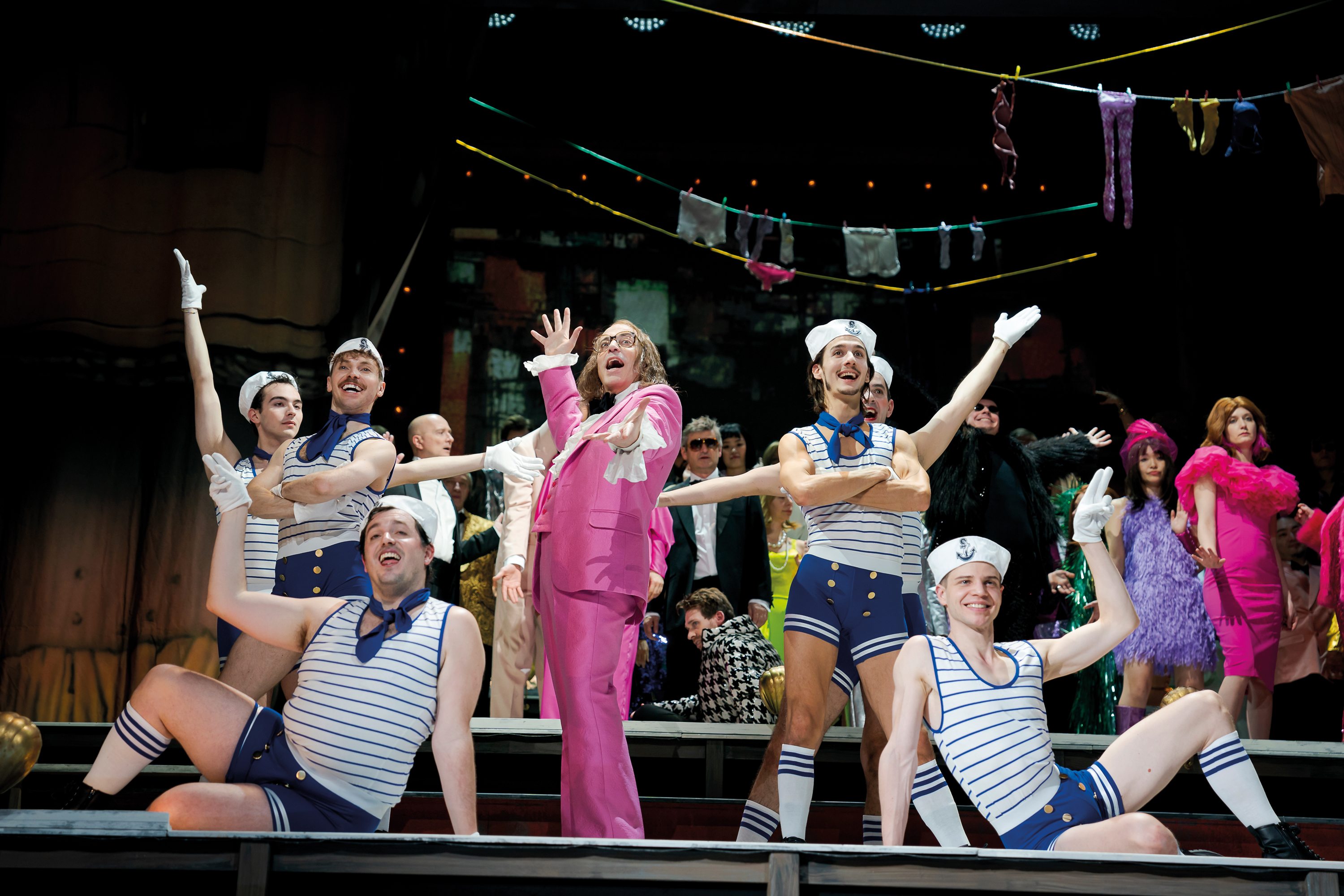
Why is the world in crisis when everyone seemingly only wants the best? We are living in the best of all possible worlds. This is what the young Candide is taught by his teacher Pangloss. And even though Candide experiences war, plagues and natural disasters, even though his home is destroyed, his beloved Cunegonde is raped and he himself escapes death by the skin of his teeth on several occasions, he remains an incorrigible optimist as he travels boldly through the Old World and the New World. When Voltaire wrote his novel Candide in 1759, the Lisbon earthquake had just shaken humanity’s faith in the divine order to the core, and when Leonard Bernstein composed a very American operetta based on the novel in 1956 the world was in the grip of the Cold War. Today, the world is going through one crisis after another, and the satirical operetta Candide describes the absurdity of this world better than it ever did. Leonard Bernstein’s score, which he revised several times, is a tribute to the history of music in Europe, full of witty parodies and brilliant orchestrations. Marin Alsop, principal conductor of the ORF Vienna Radio Symphony Orchestra and herself a pupil of Bernstein’s, will conduct Candide; the American director Lydia Steier stages the operetta as a big stage show.
In English with German and English surtitles
Introduction to the work 30 minutes before curtain-up

Trailer
ORF Radio-Symphonieorchester Wien
Arnold Schoenberg Chor
(Leitung: Erwin Ortner)
Act 1
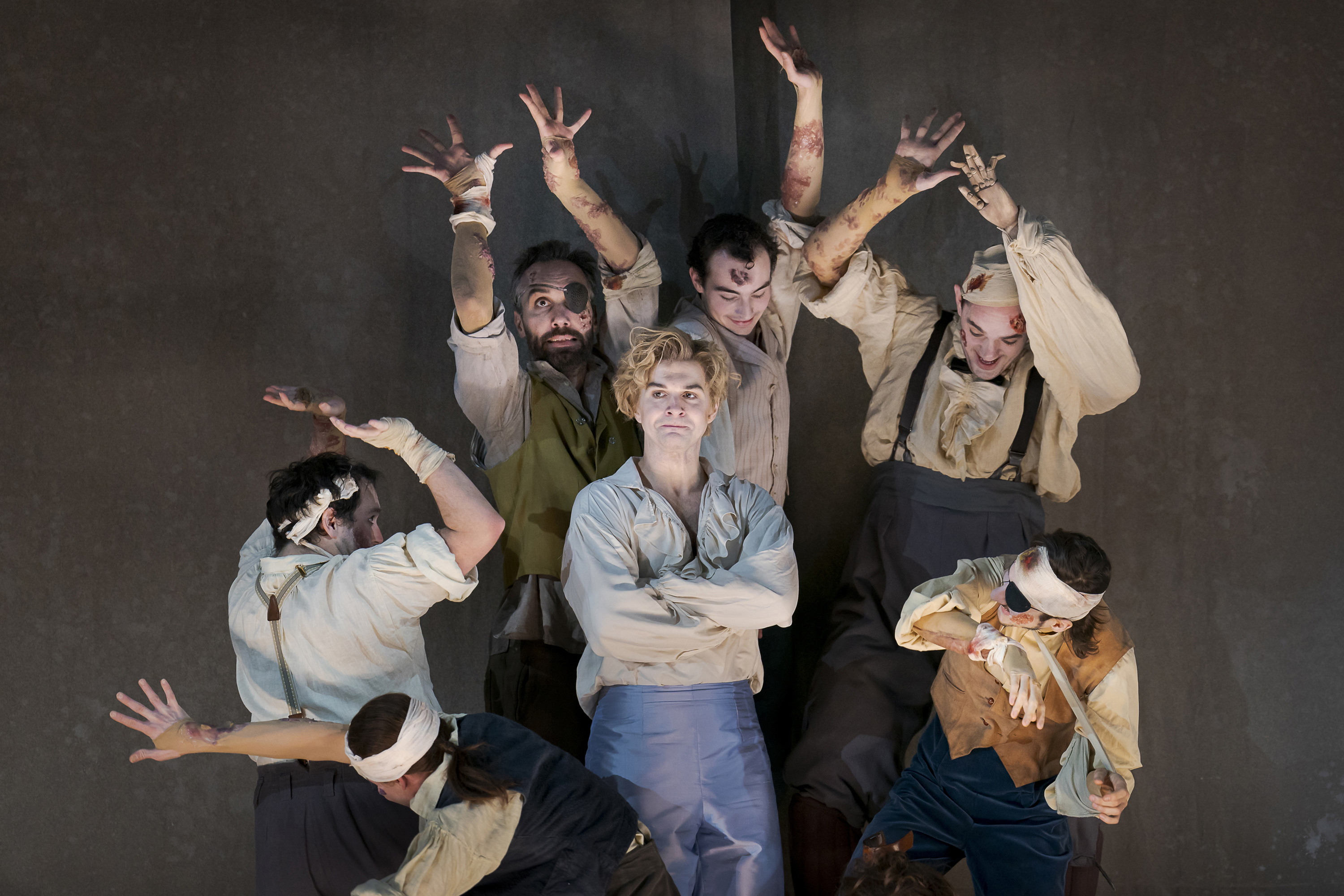
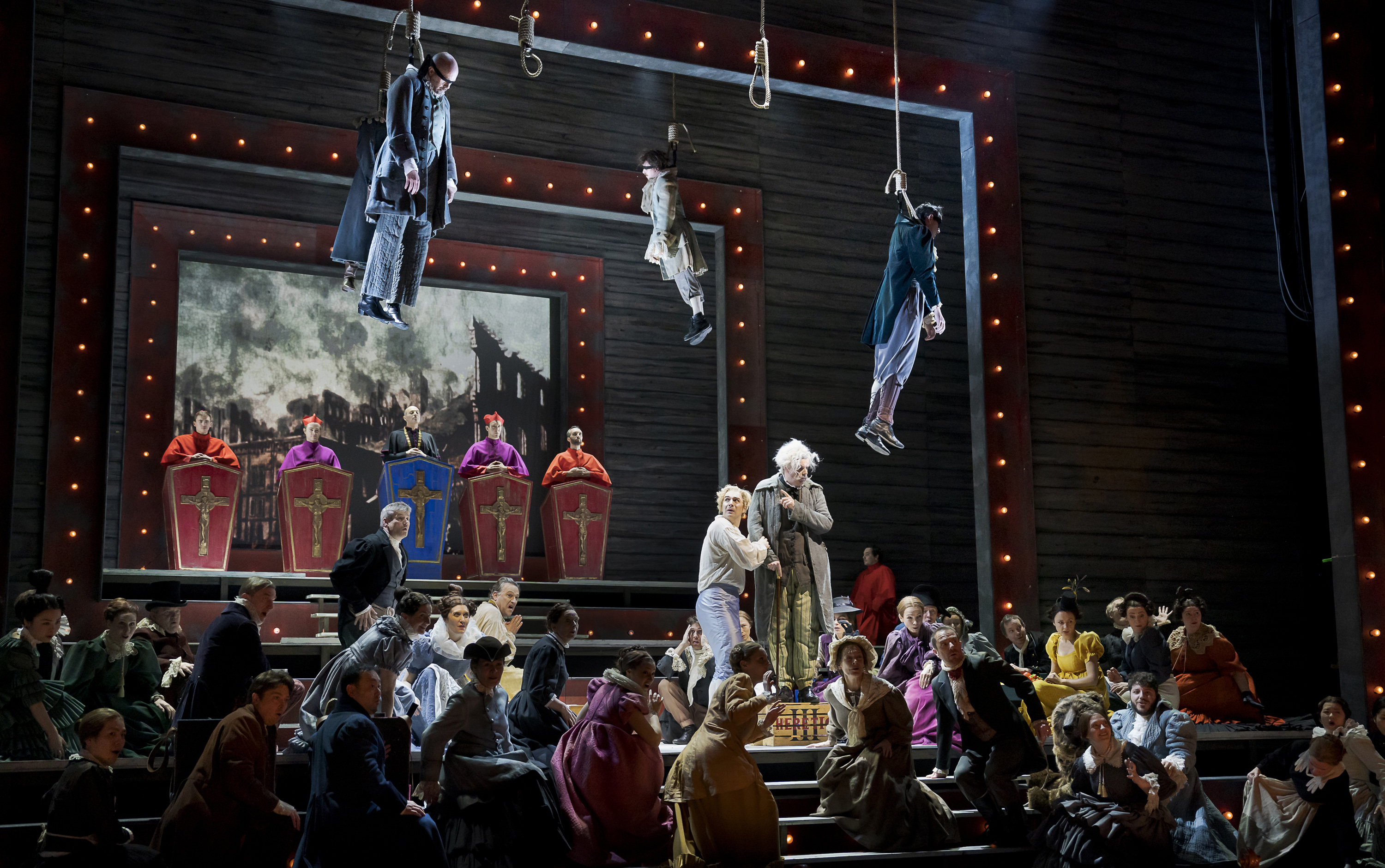
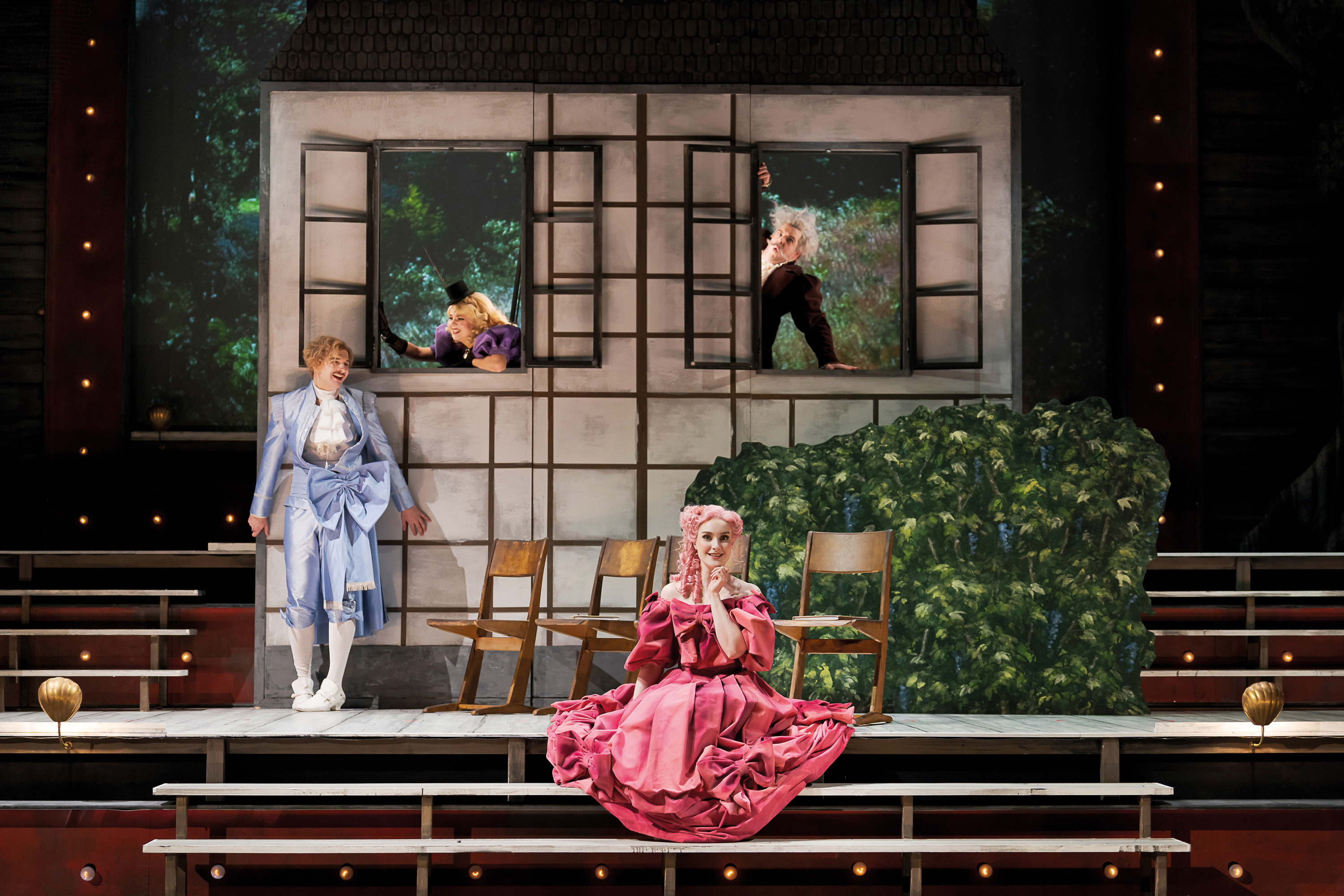
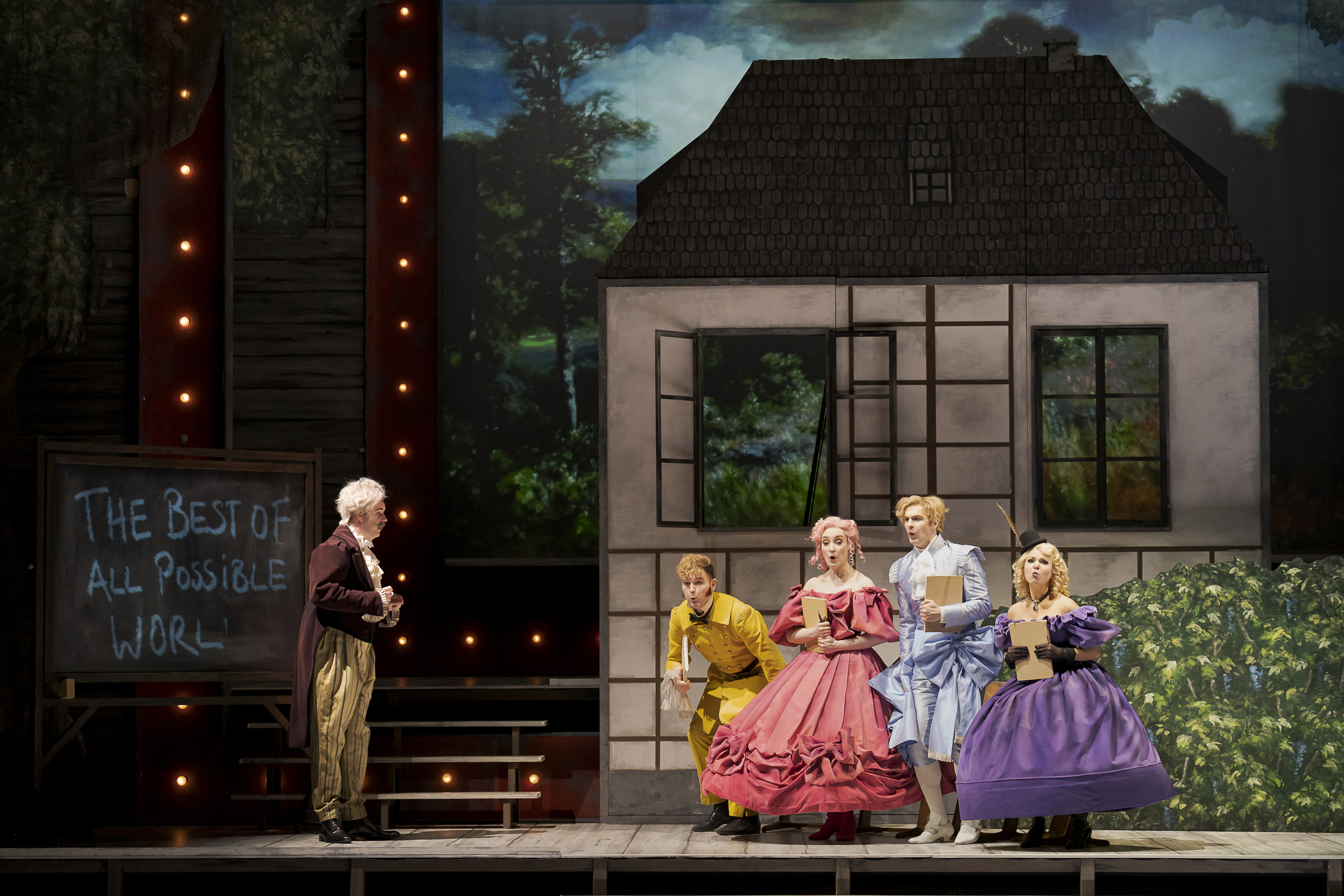
The young Candide grows up in the castle of Baron Thunder-ten-Tronck in Westphalia. There, the Baron’s resident tutor, Pangloss, teaches the philosophy of optimism: We live in the best of all possible worlds; therefore everything that happens is good. When Candide, the Baron’s illegitimate son, falls in love with his daughter Cunegunde he is banished from the castle. Candide is press-ganged into joining the Bulgarian army. Soon afterwards the castle is destroyed and, it seems, all its occupants massacred. The only one Candide sees again is Pangloss, now ravaged by syphilis. The two of them escape to Lisbon where they are shipwrecked off the coast, caught up in a devastating earthquake and captured by the Inquisition. Pangloss is hanged, but despite this Candide still believes that there is good in the world. In Paris he is surprised to meet Cunegunde again. She survived the massacre in Westphalia and is now the mistress of an archbishop and a wealthy Jew. Through a series of unfortunate circumstances Candide kills the two men. Together with Cunegunde and an old lady who accompanies her he flees first to Cadiz and then to the New World where he hopes to start a new life.
Act 2
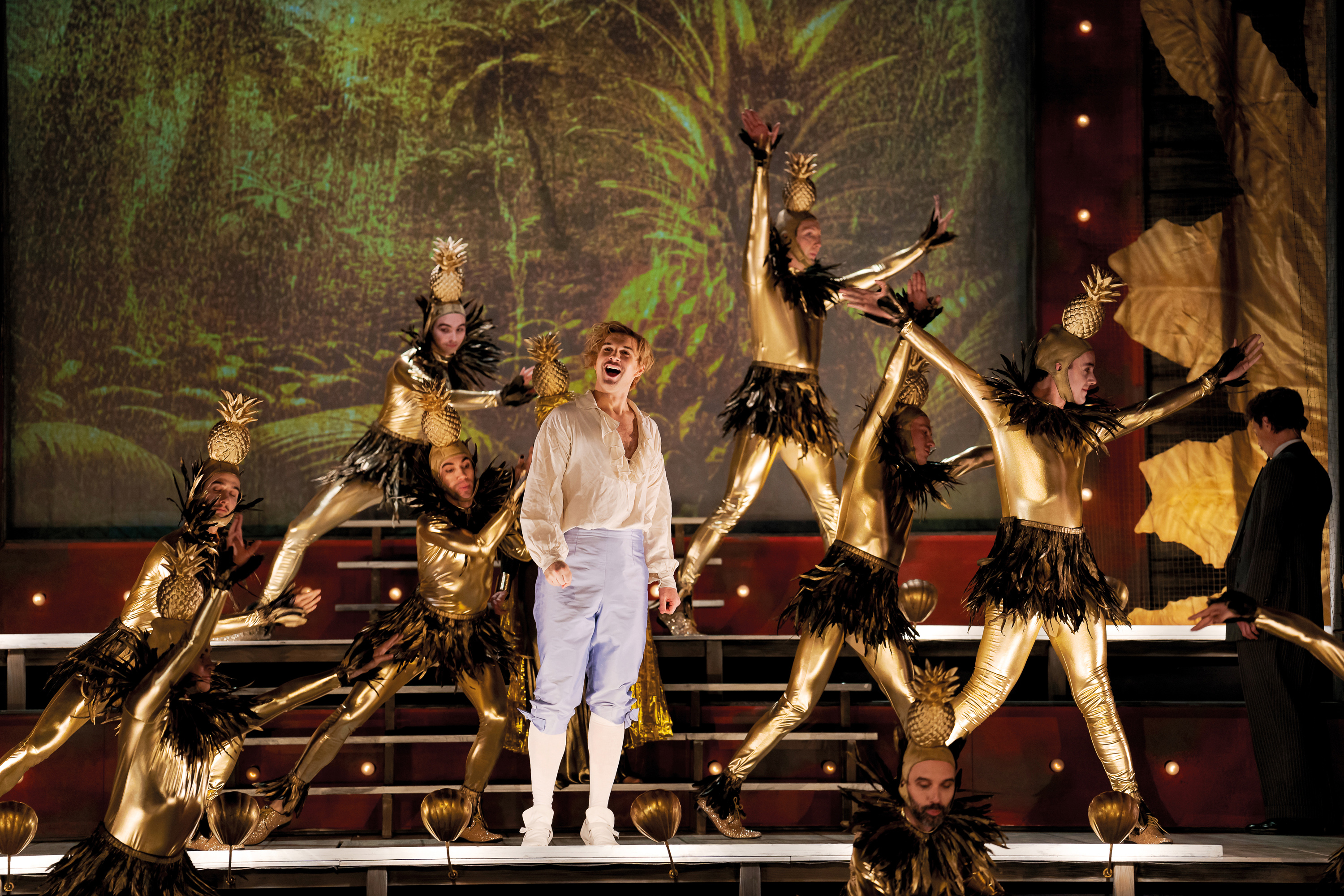
In Montevideo, Cunegunde and Candide are separated again. She quickly becomes the governor’s mistress while Candide travels to the jungle where he is warmly welcomed at a Jesuit mission. He is surprised to find that the man in charge of the mission is none other than Cunegunde’s brother, Maximilian. When Maximilian hears that Candide still loves his aristocratic sister the two men come to blows. Candide kills Maximilian and runs away. In the jungle he reaches the land of El Dorado where the streets are paved with gold. After a while he moves on, now with a rich hoard of gold. At the port of Surinam he encounters the slave-trader Vanderdendur who offers to take him across the ocean to Venice, only to relieve him of a large part of the gold. The rest of the treasure is lost in a shipwreck. At the casino in Venice, Candide finds Cunegunde, who is selling herself as a courtesan, along with the old lady and Maximilian who, by some miracle, is still alive. Candide buys Cunegunde’s freedom. Maximilian is still filled with disdain for those he considers his inferiors; Pangloss, who suddenly reappears, is still an optimist; and Cunegunde is frustrated at no longer being surrounded by riches. After all his travelling and adventures, Candide decides that from now on he will do nothing but tend his garden.