
Tango operita in two acts
Libretto by Horacio Ferrer
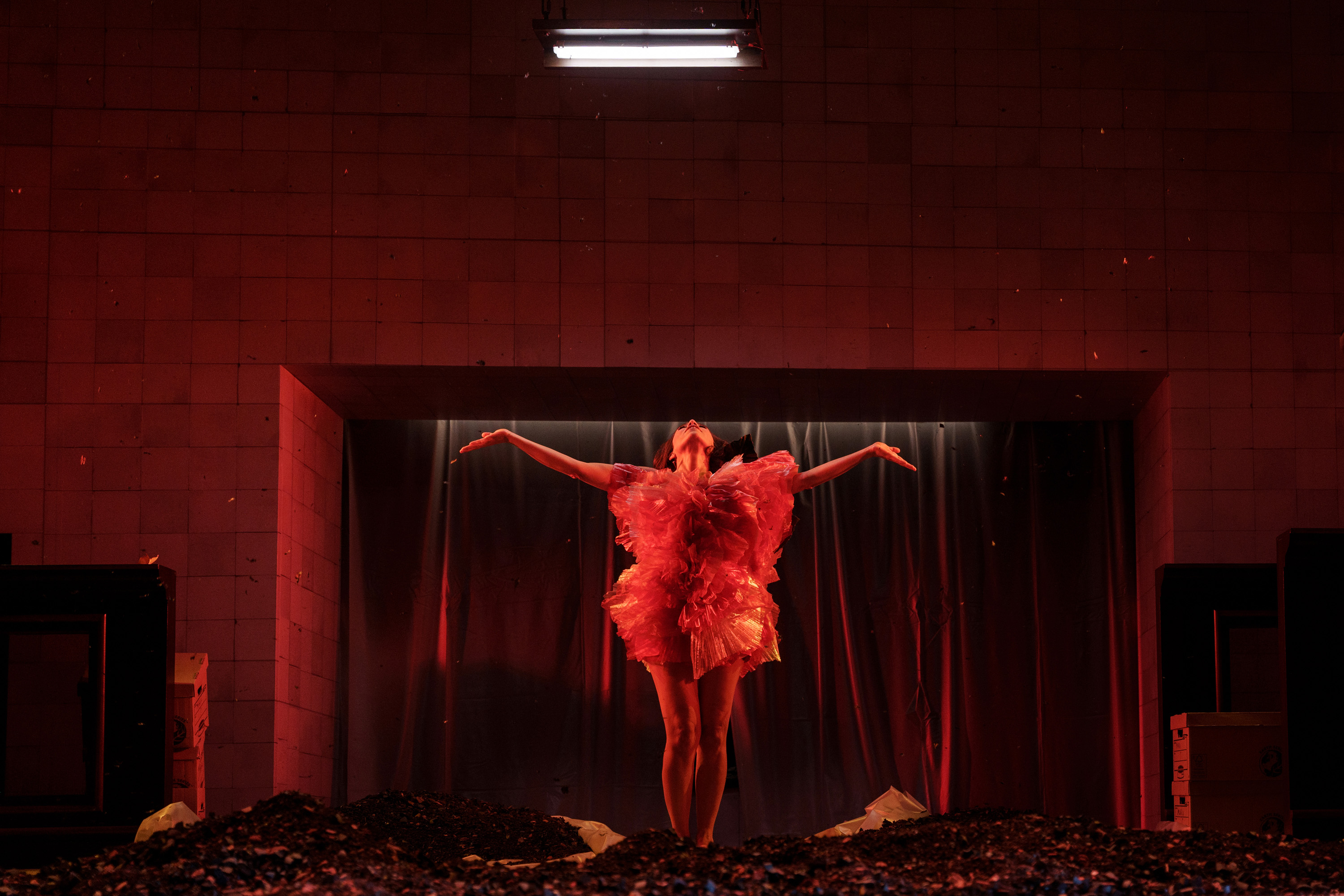
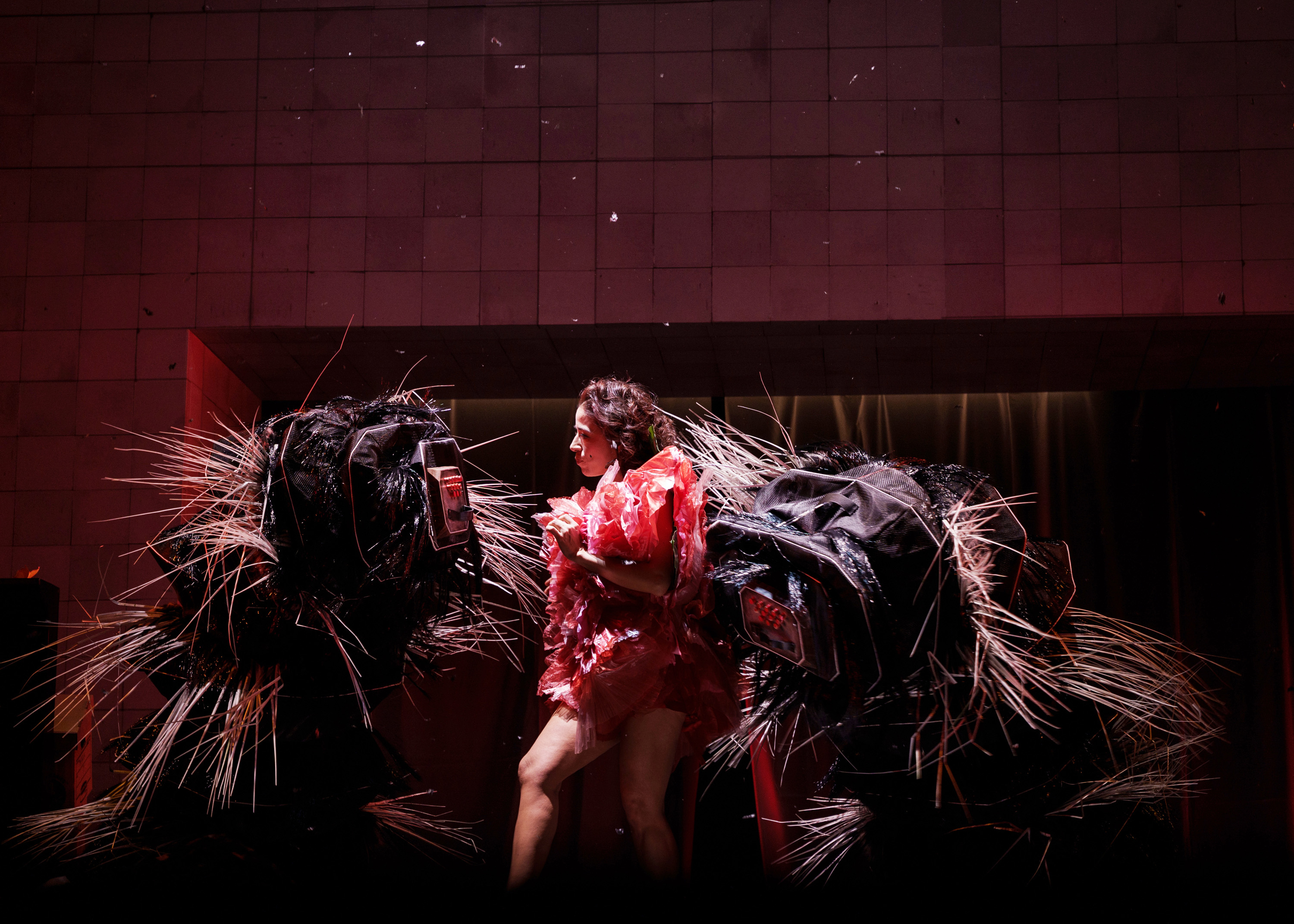
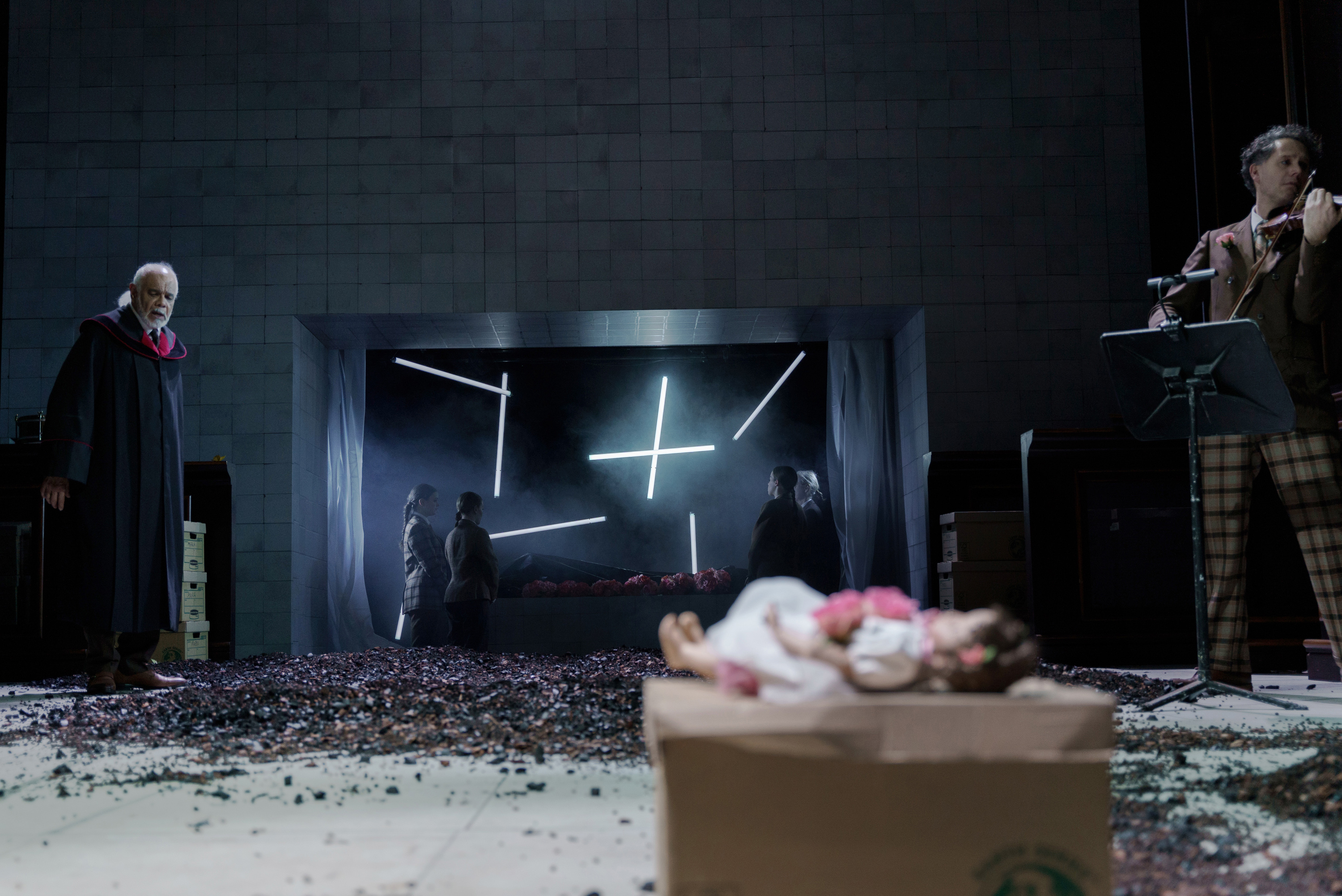
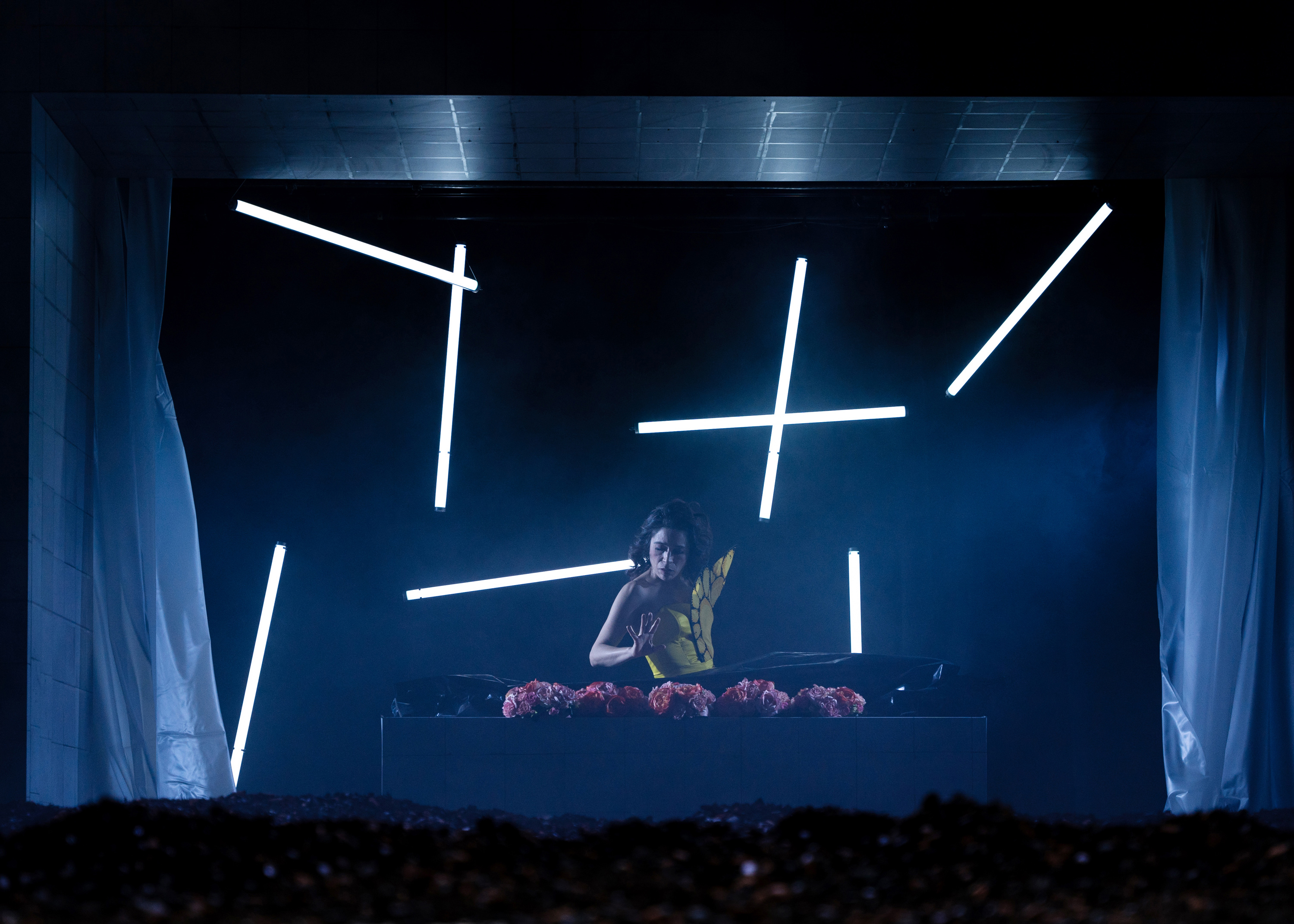
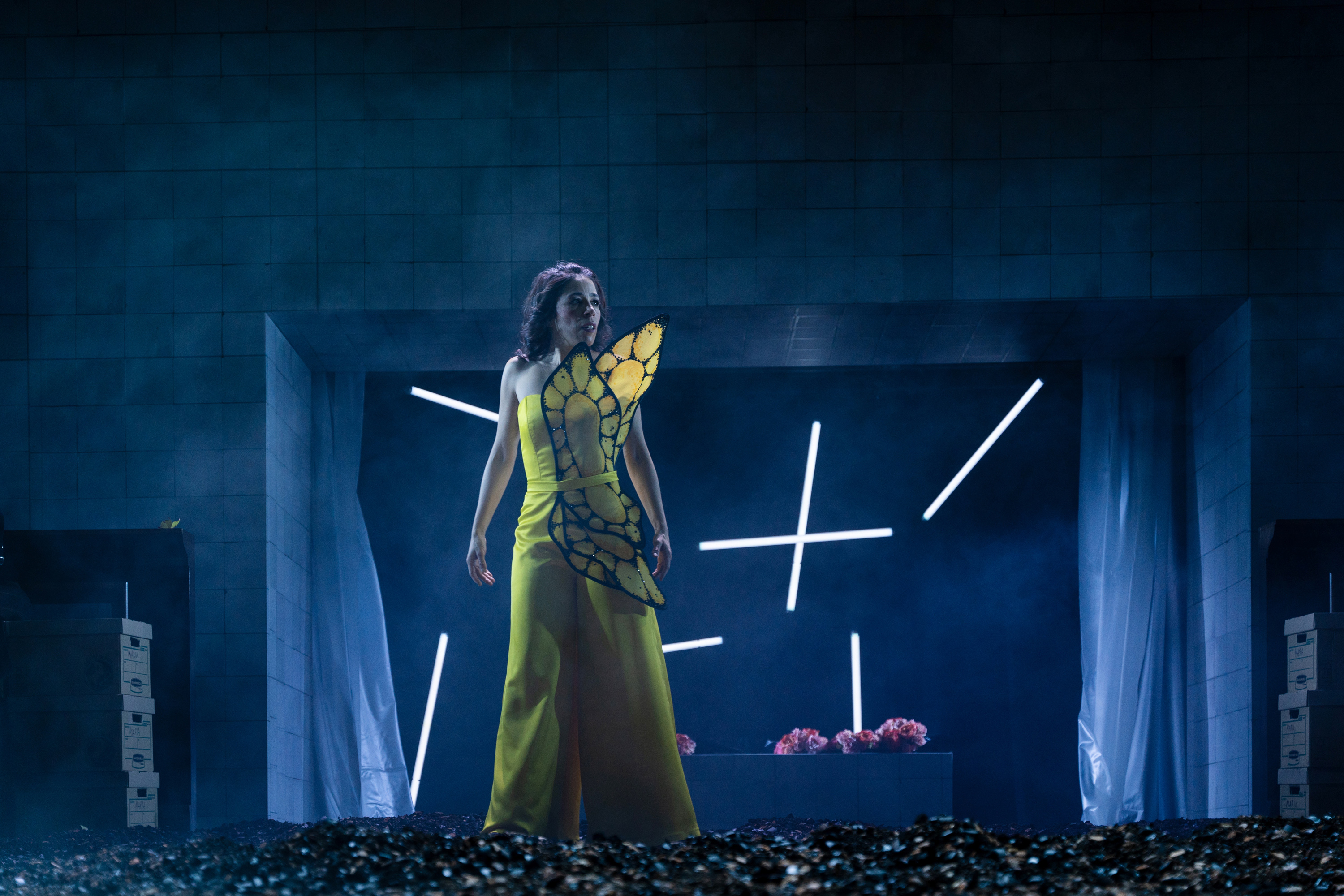
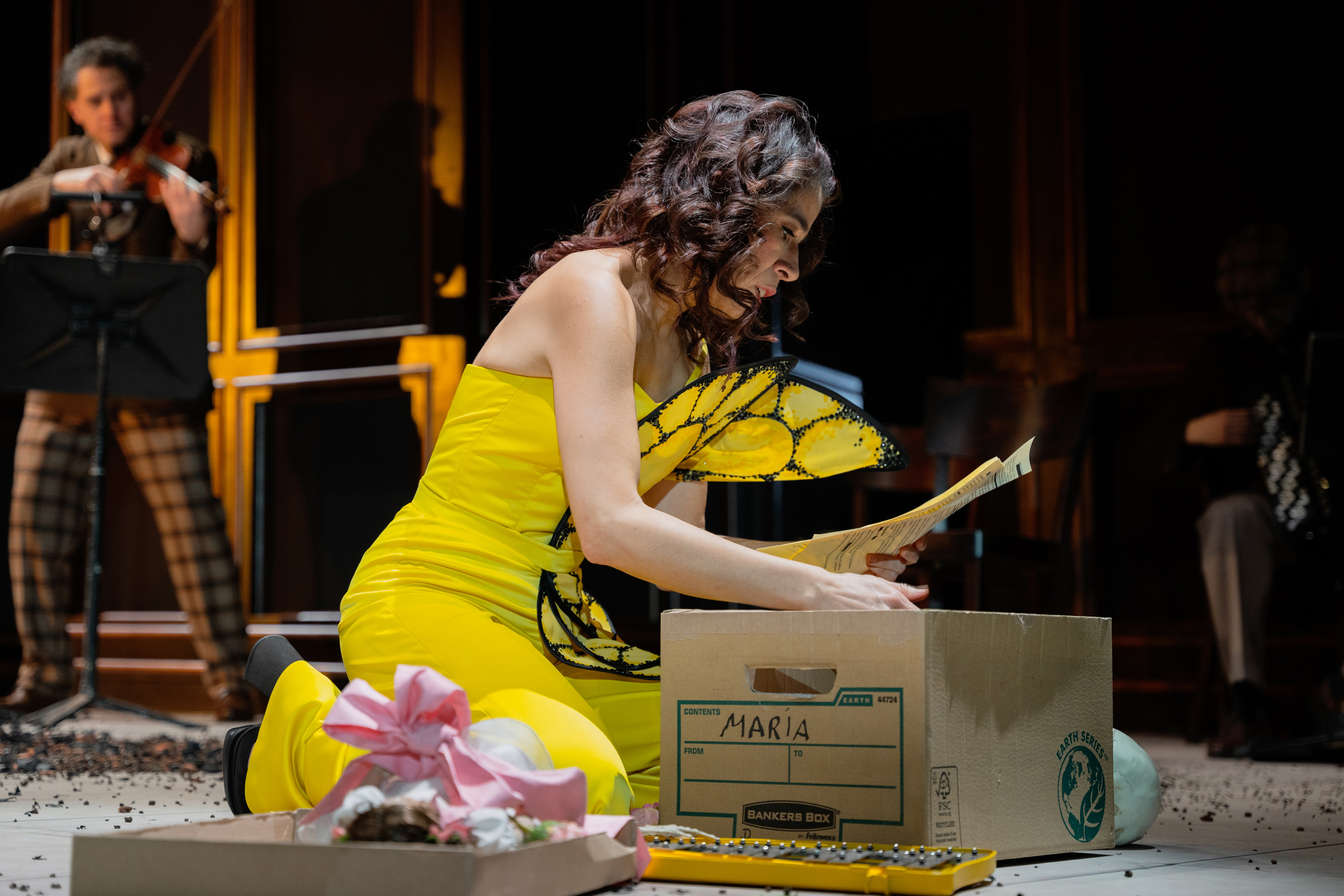
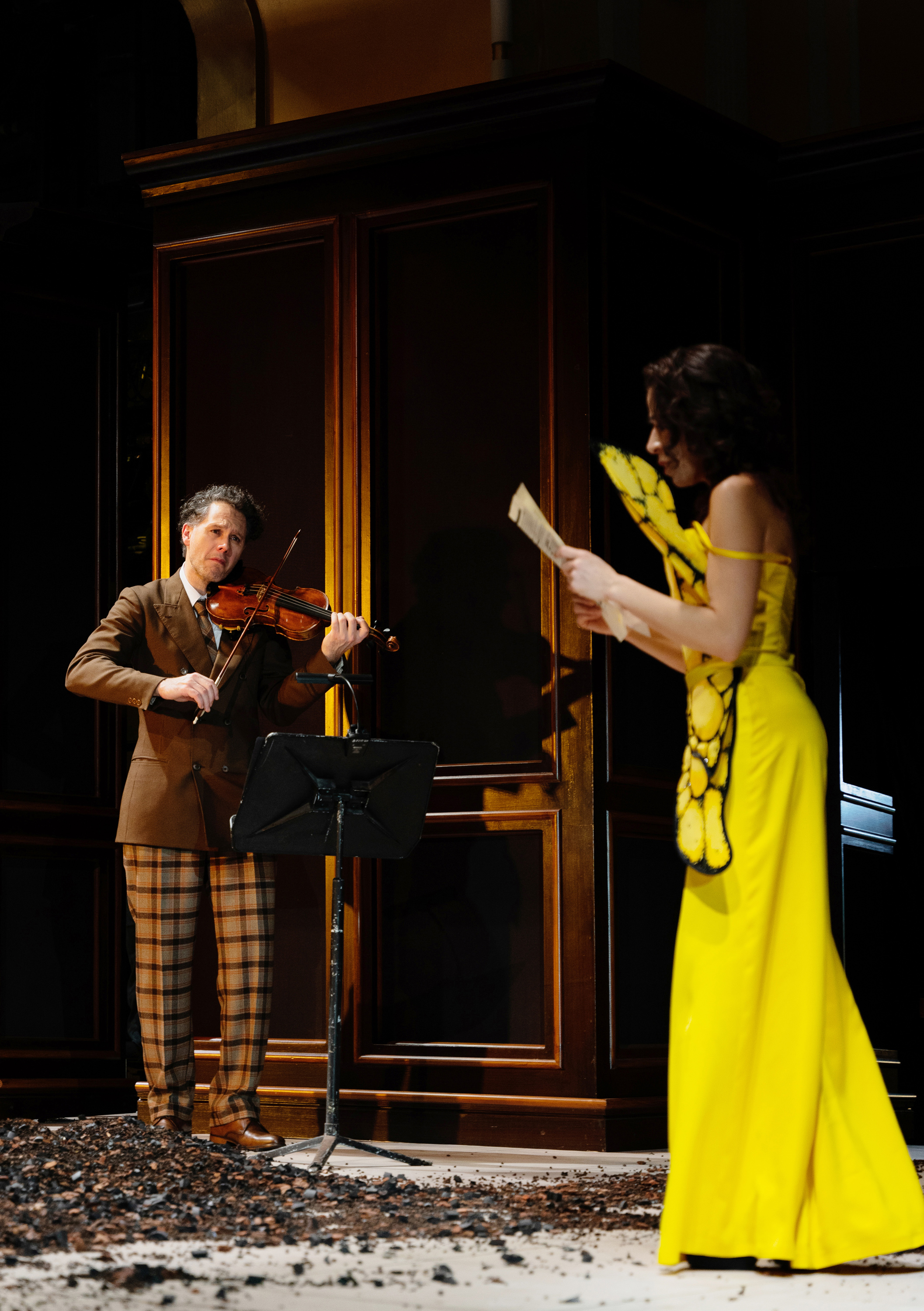
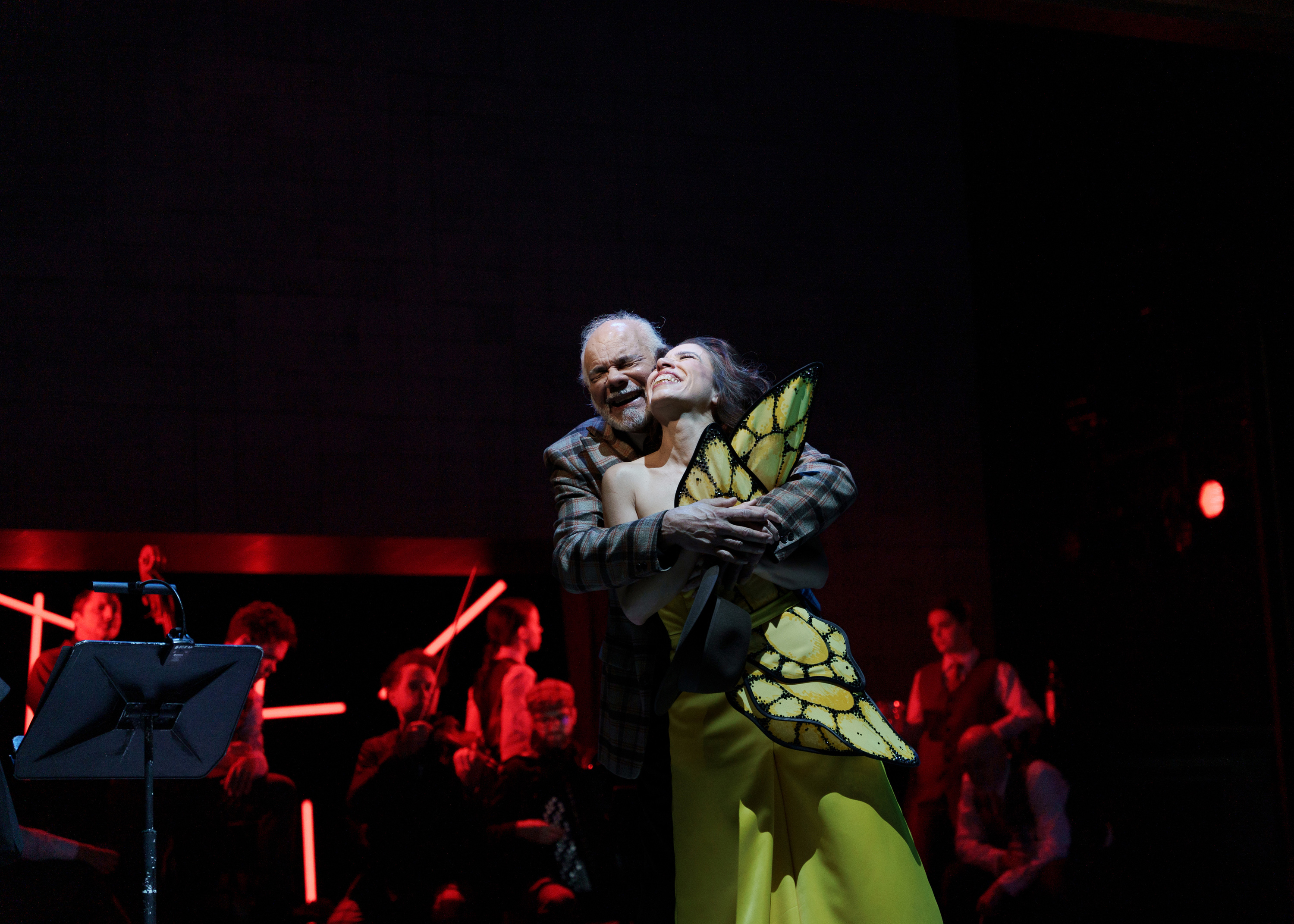
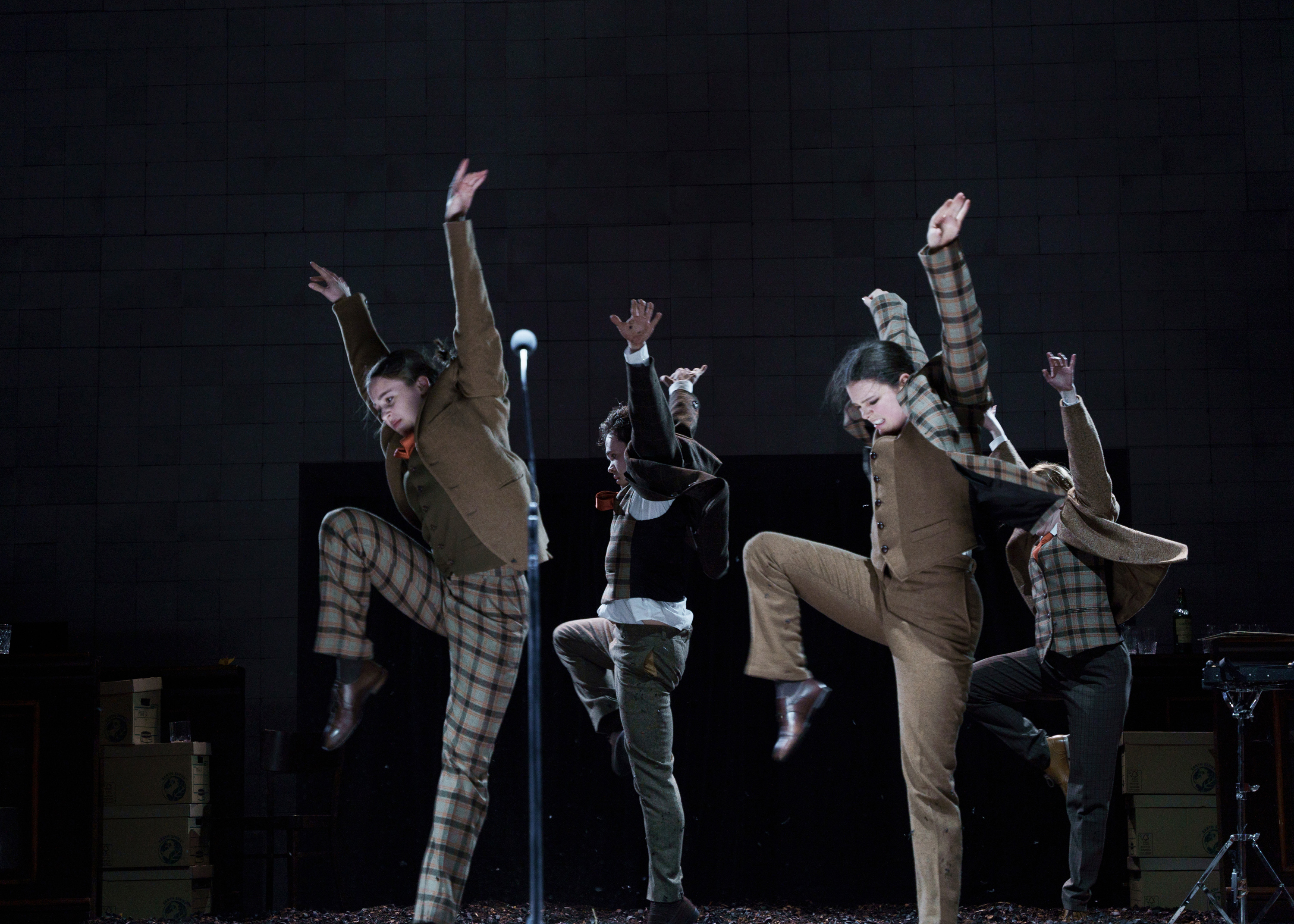
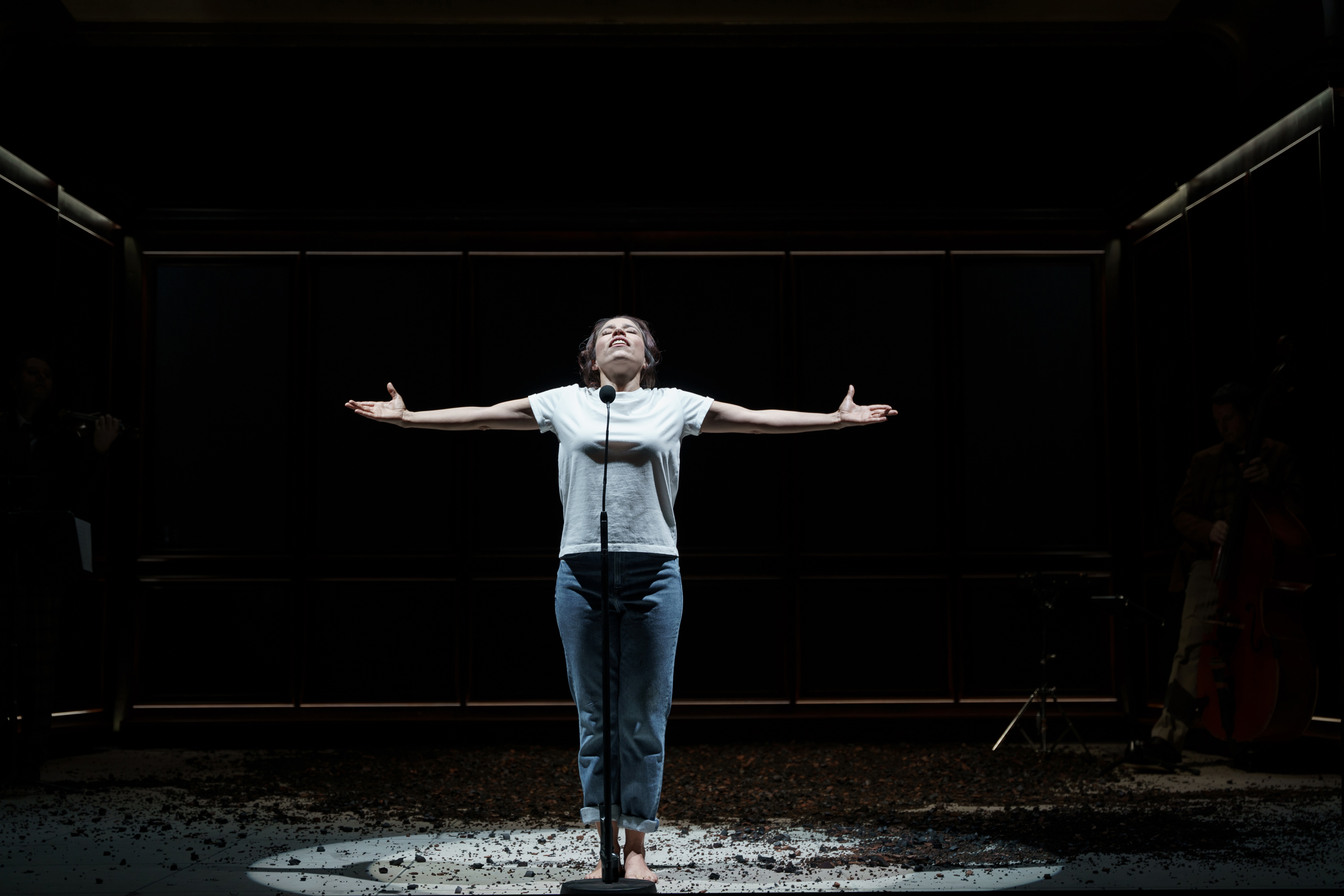
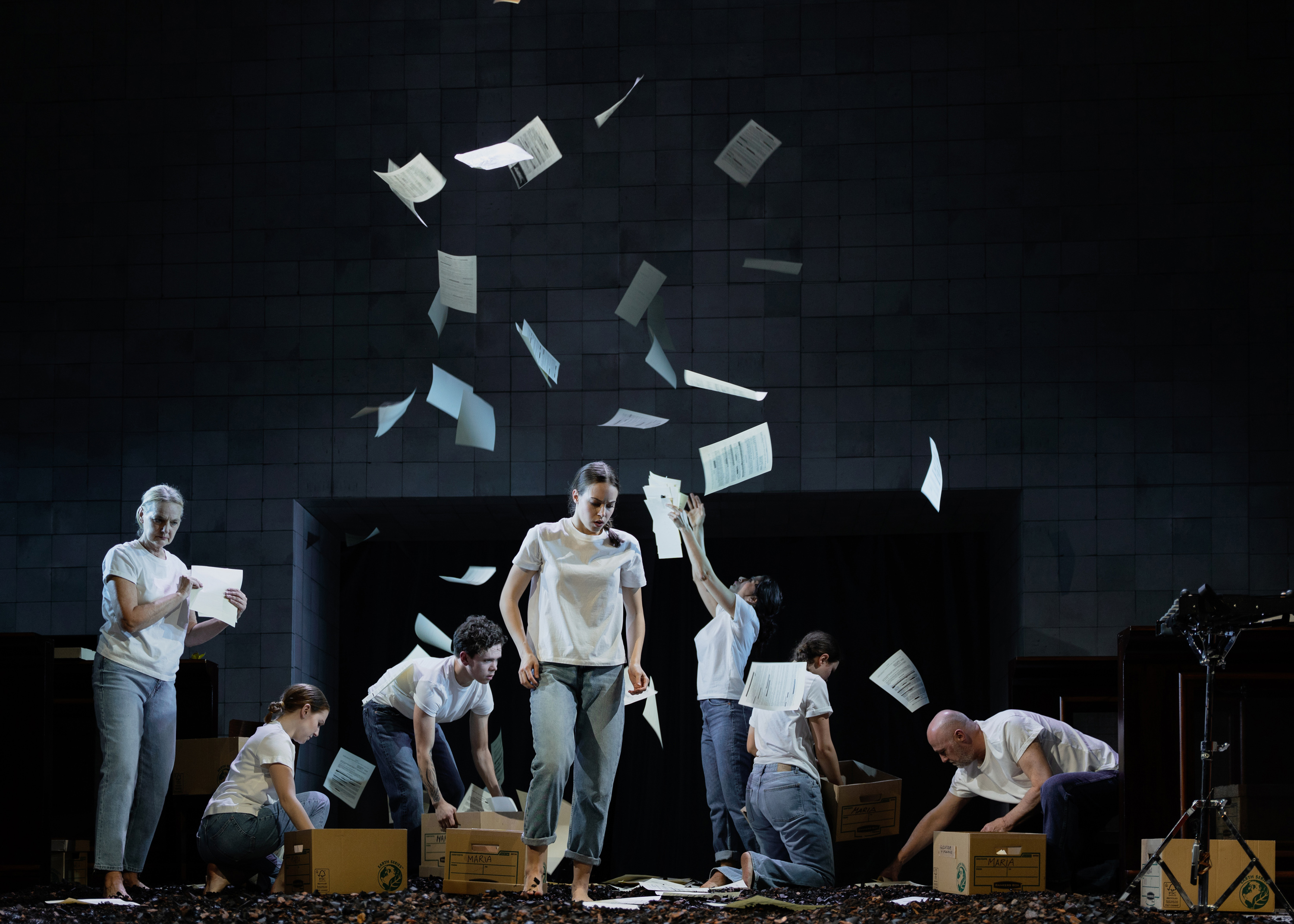
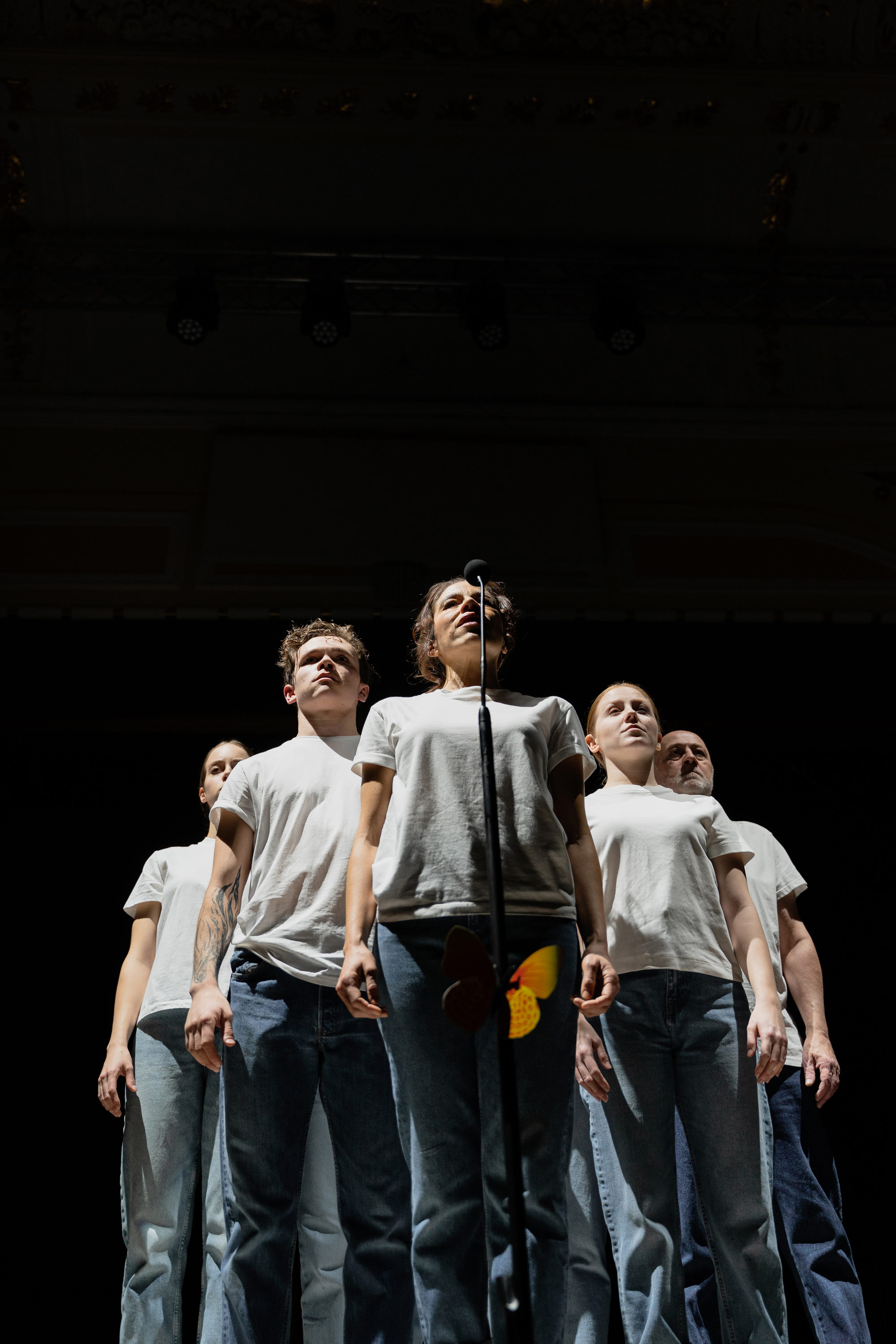
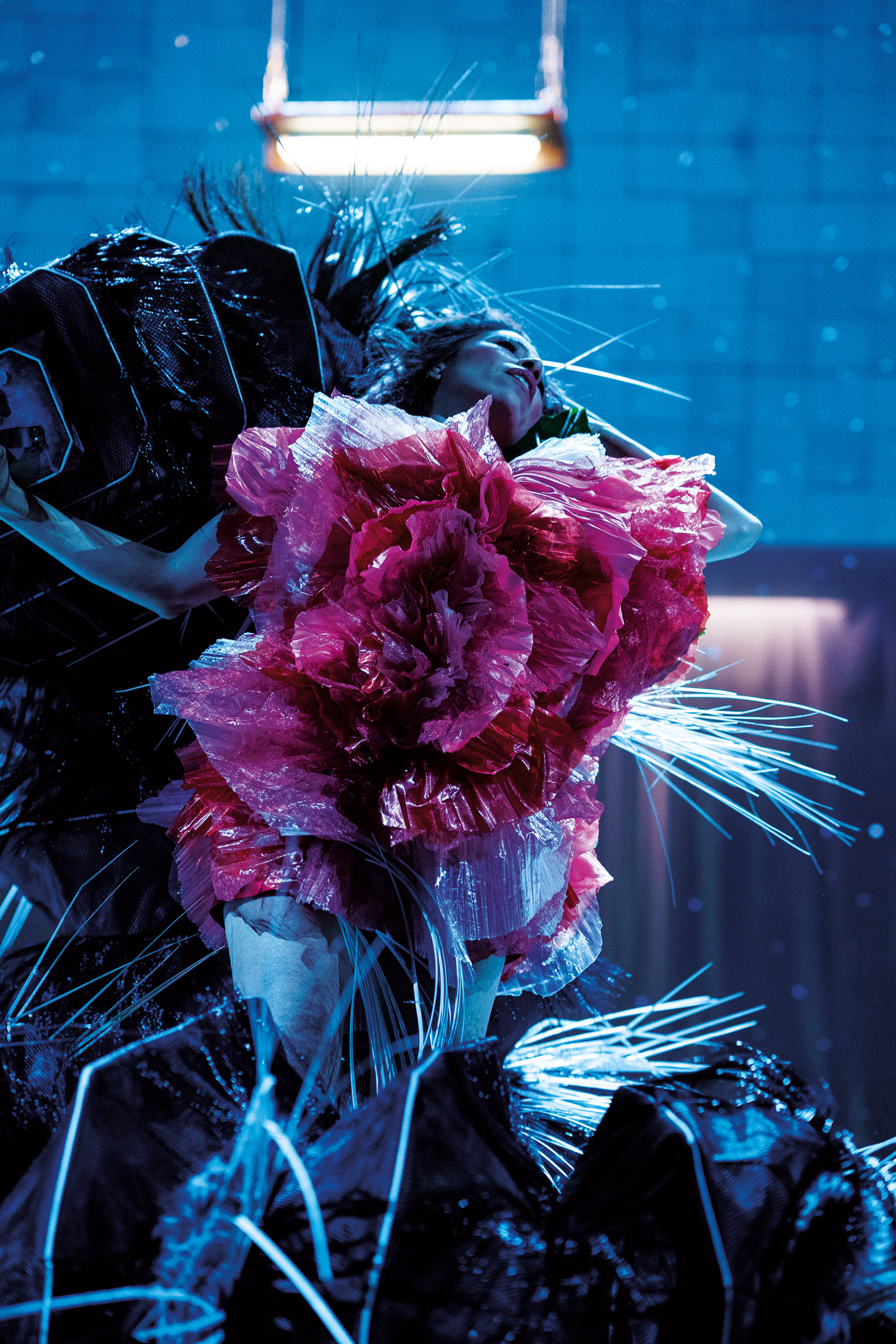
When, in the mid-20th century, Astor Piazzolla invented the tango nuevo with the aid of tango, folk, jazz and baroque music, he ushered in the renaissance of the classic tango Argentino which, 50 years earlier, had found its way into the upper echelons of society from the run-down suburbs. María also comes from a suburb of Buenos Aires. A prisoner of the lustful desires of a world dominated by crime and machismo, she becomes a figure onto which the mores of her environment are projected. Revered as a saint, debased as an object, she unerringly goes her own way and, following her death, rises phoenix-like to live again. Piazzolla’s tango opera was first given in 1968. It is a work at once thought-provoking and intoxicating that highlights social injustices and celebrates life, and is a declaration of love for the tango as well as an indictment of it. The folksmilch ensemble has made the crossing of all stylistic boundaries its speciality, enabling it to provide a new sound that is as authentic as it is exciting. María de Buenos Aires “reloaded”!
In Spanish with German and English surtitles
Introduction to the work 30 minutes before curtain-up
Trailer
Ensemble folksmilch
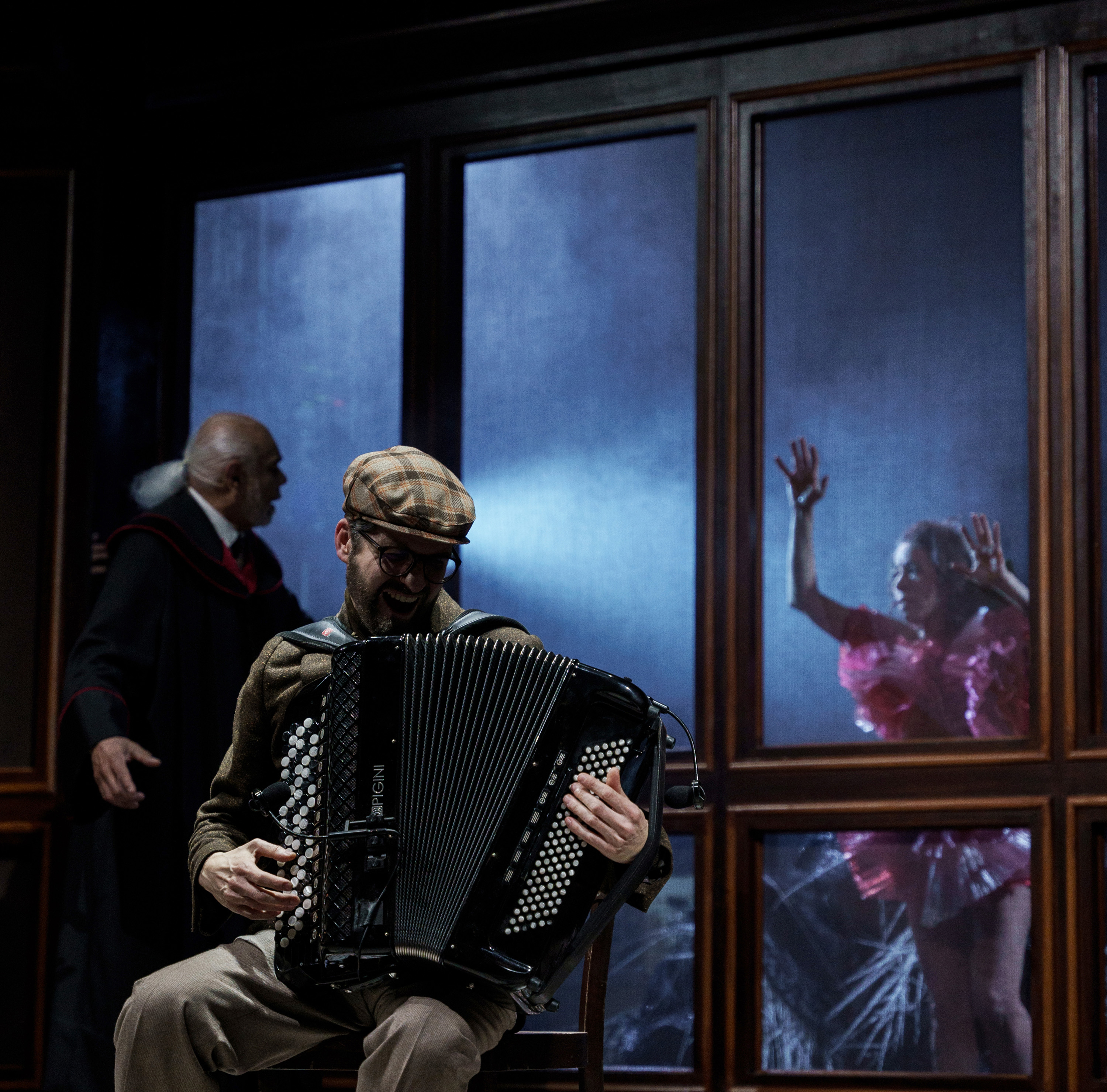
Christian Bakanic - Akkordeon
Klemens Bittmann - Violine & Mandola
Eddie Luis - Kontrabass & Percussion
Andrés Añazco - Klavier
Students of the Performing Center Austria: CAMPUS collaboration
Part I
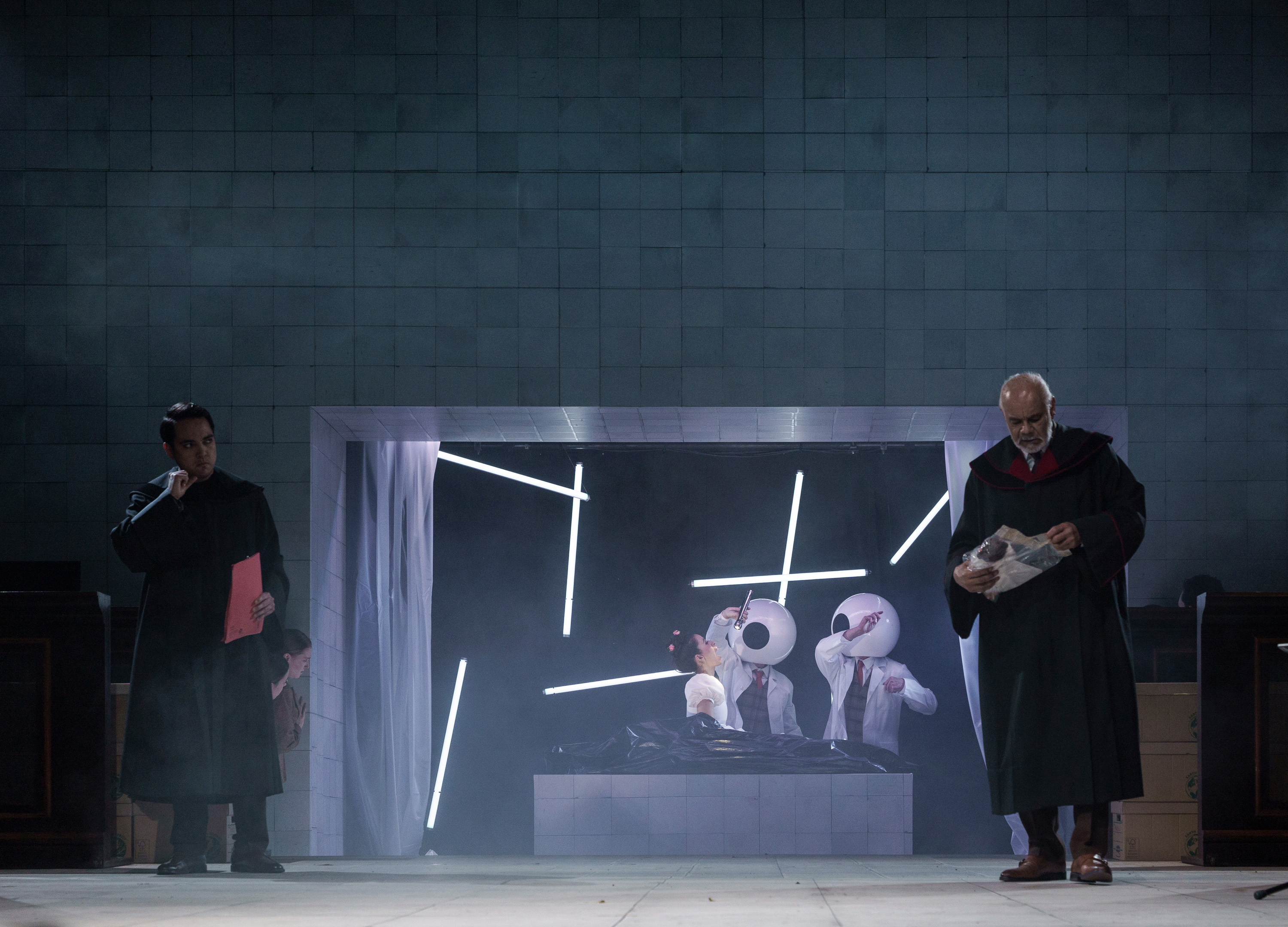
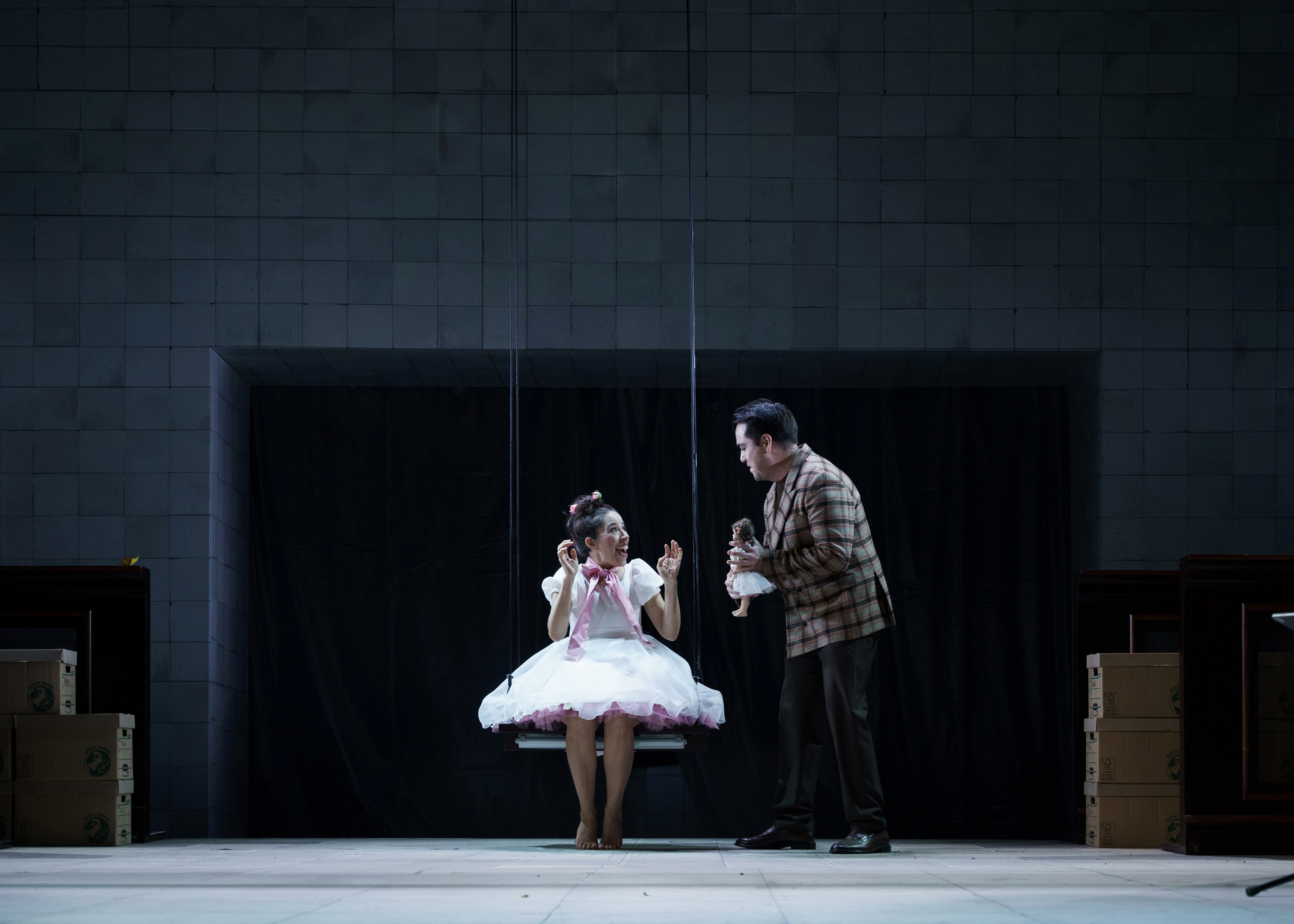
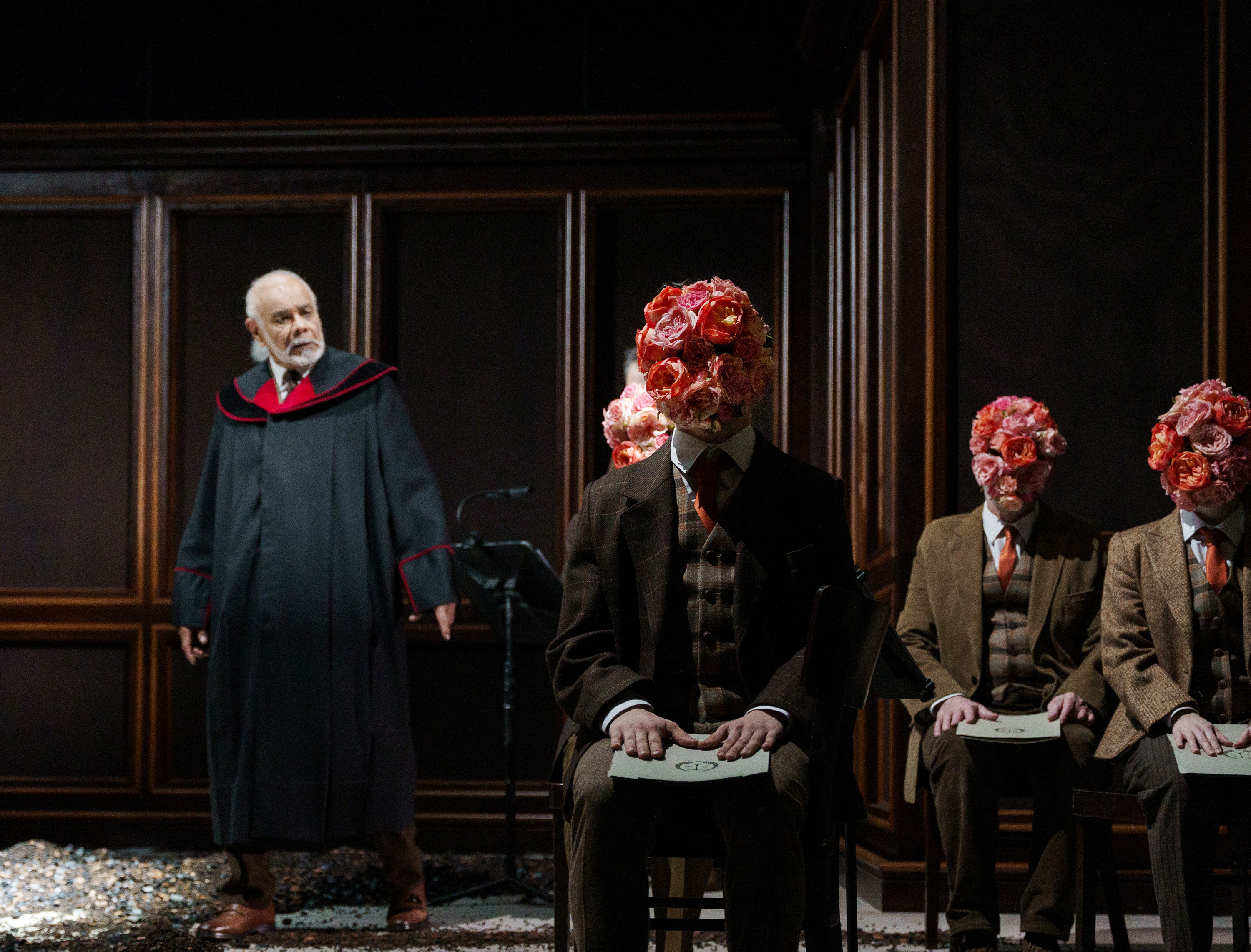
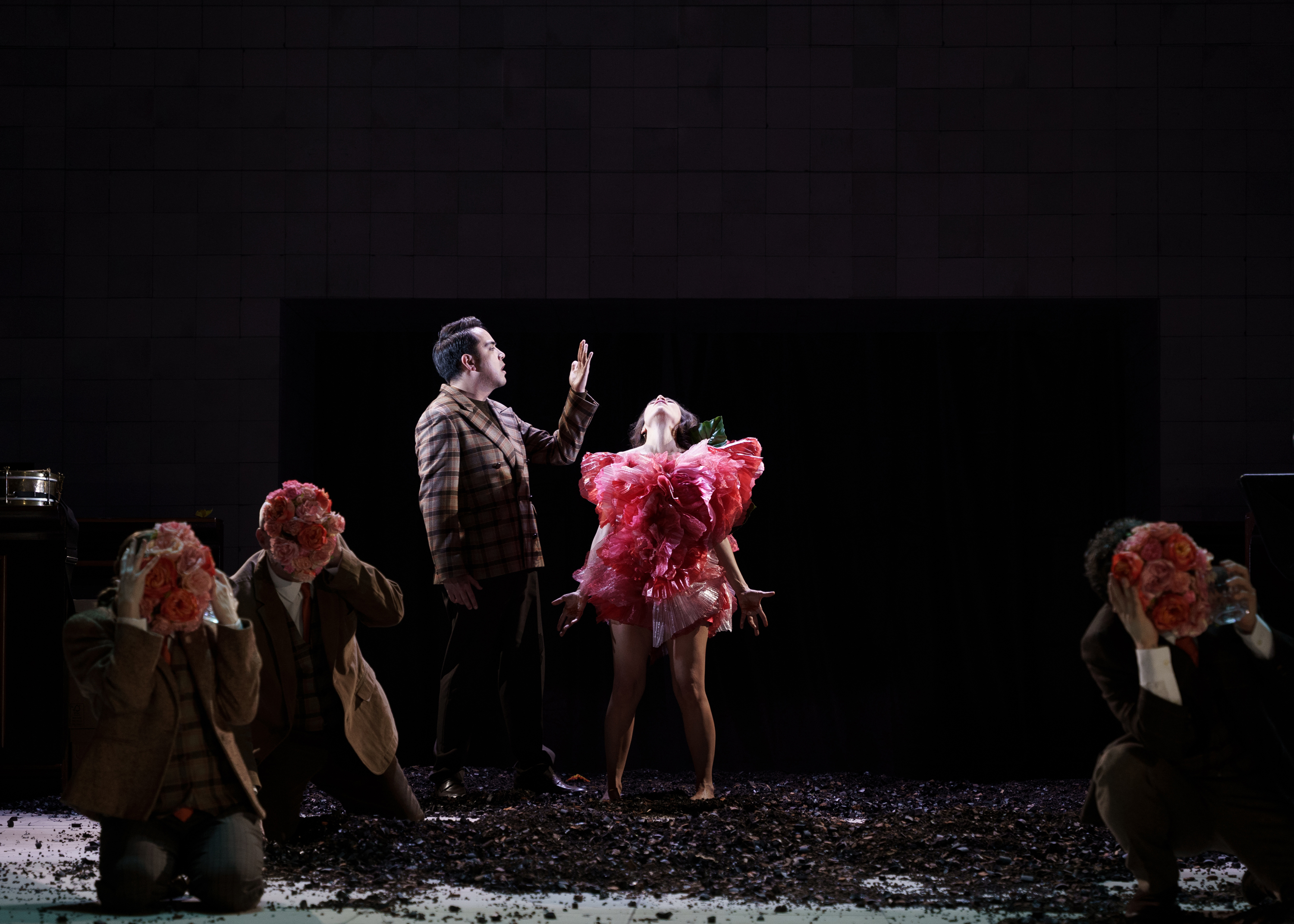
El Duende, a spirit of Buenos Aires, conjures up María. Together with other mysterious, shadowy figures from the Argentinian capital he tells her surreal story. María is from the suburbs, where two weeping angels bring her into the world. She grows to womanhood in the space of seven days and develops into a goddess. However, her life in the suburbs is an unhappy one and she sets off for Buenos Aires – knowing that this will be her undoing. She descends into the underworld where she is sentenced to death by the thieves and prostitutes. Her shade, however, is permitted to return to earth.
Part II
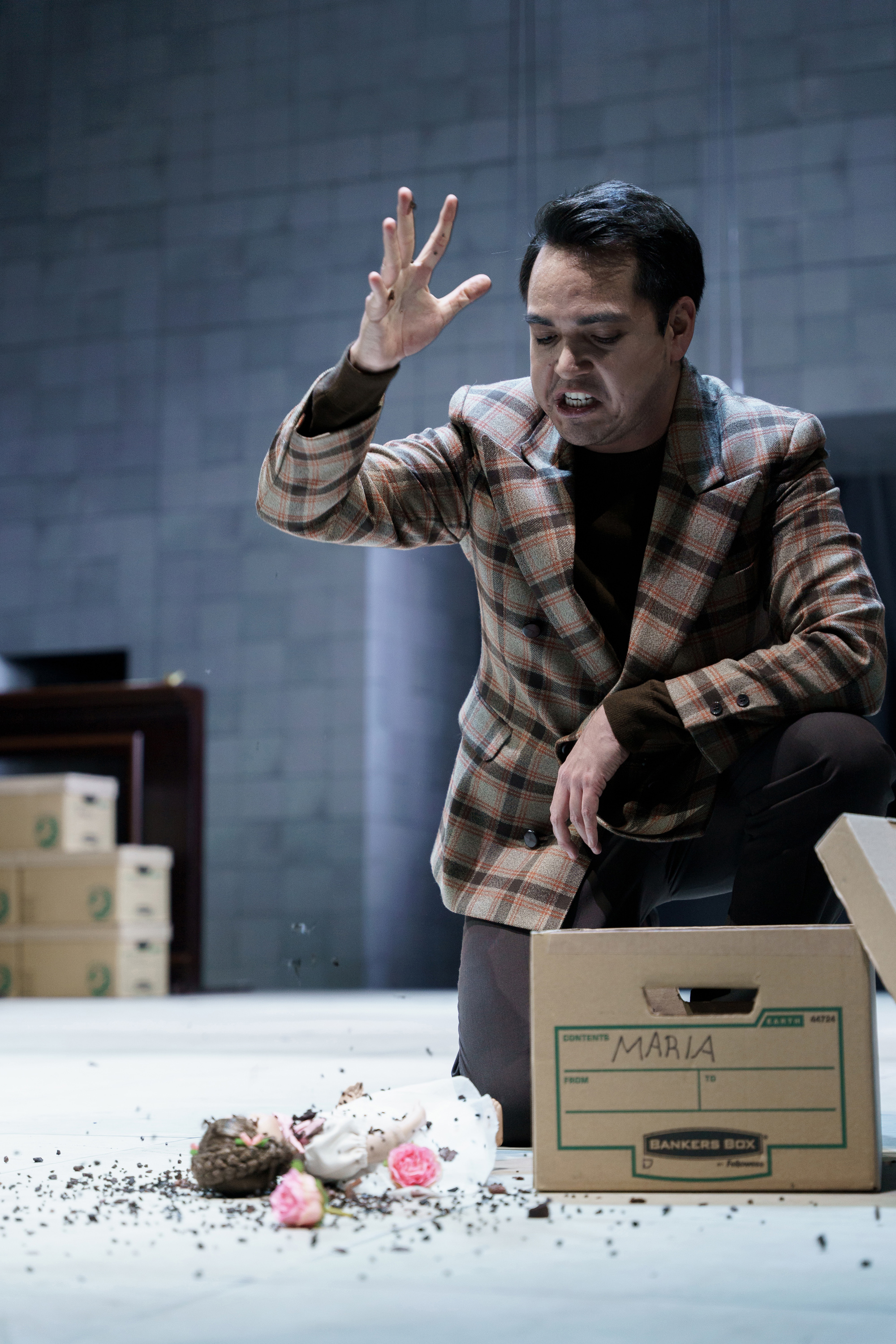
María has died and is buried in the grounds of an espresso. Her shade wanders through the streets of Buenos Aires but does not know which human being it once belonged to. It falls into the hands of dubious psychoanalysts who try unsuccessfully to dig its memories up out of the past. In the meantime, El Duende gets drunk. In a bar he encounters three marionettes who want to help him bring María back to life. With the aid of all the inhabitants of Buenos Aires they eventually find María’s shade. While a Christmas carol plays in the background, María’s shade gives birth to a child. But to everyone’s surprise it is not the Messiah, but a little girl. El Duende wonders whether she is the reincarnation of María and the whole story is about to be repeated.