
Oratorio in three acts
Libretto by Thomas Morell
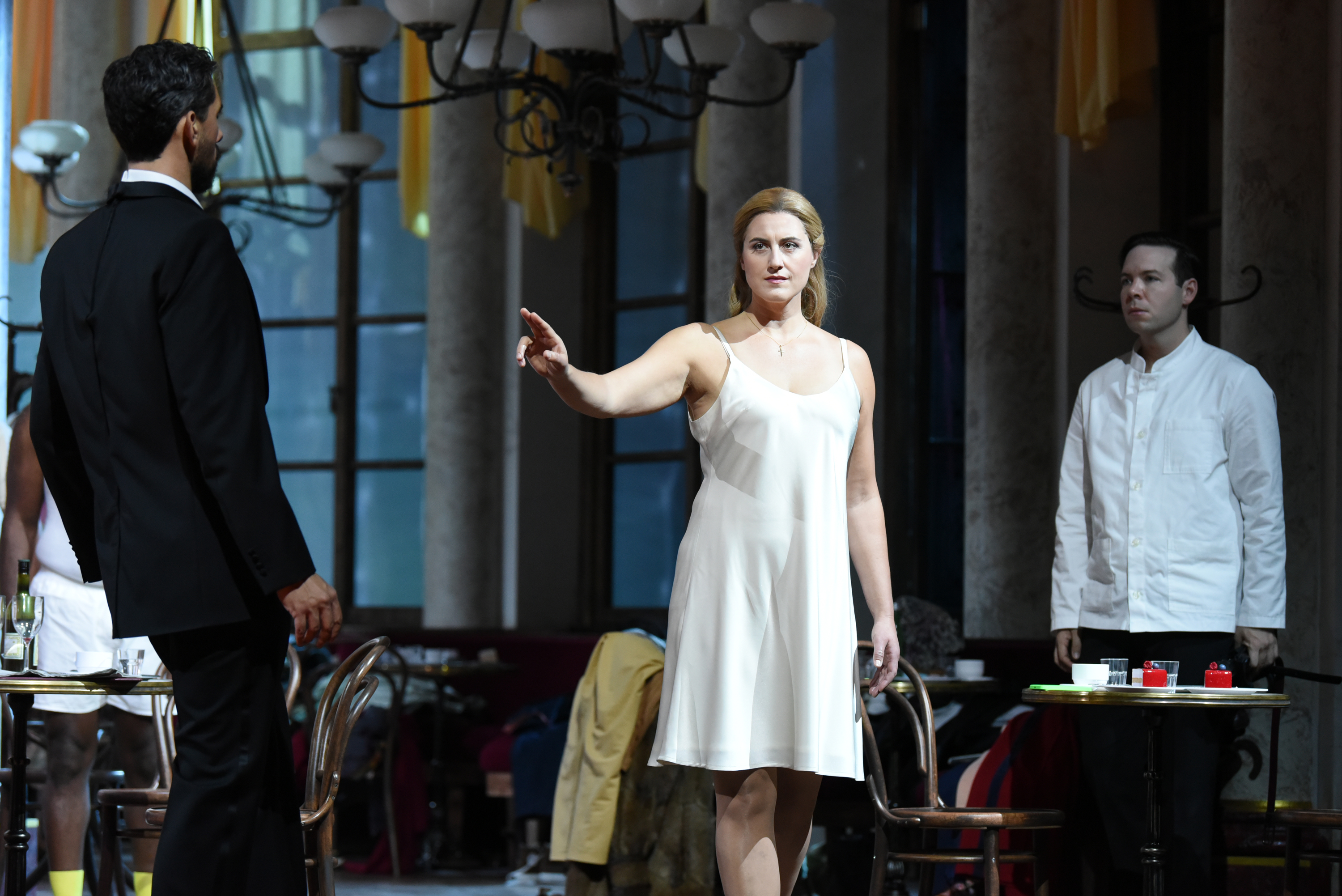
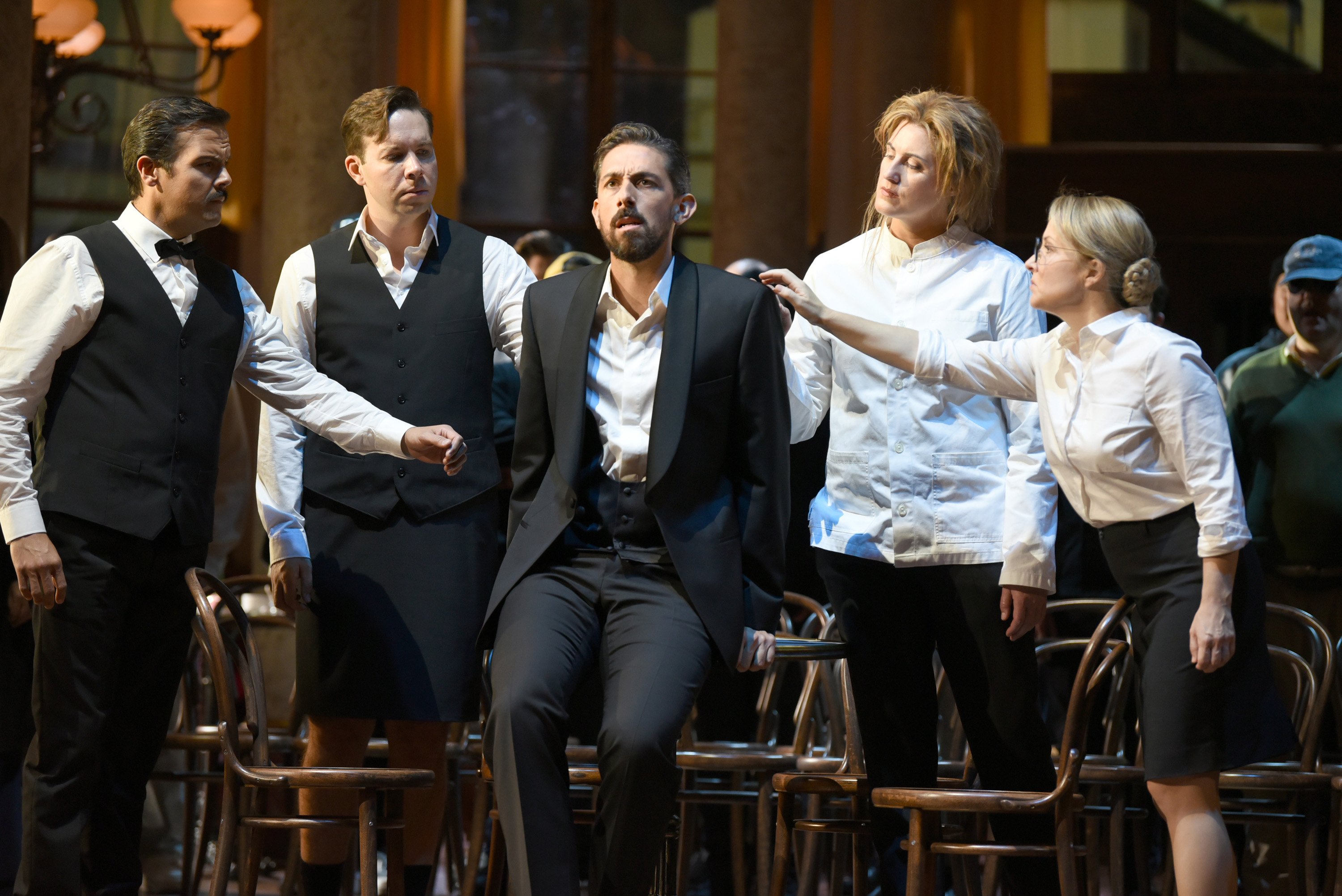
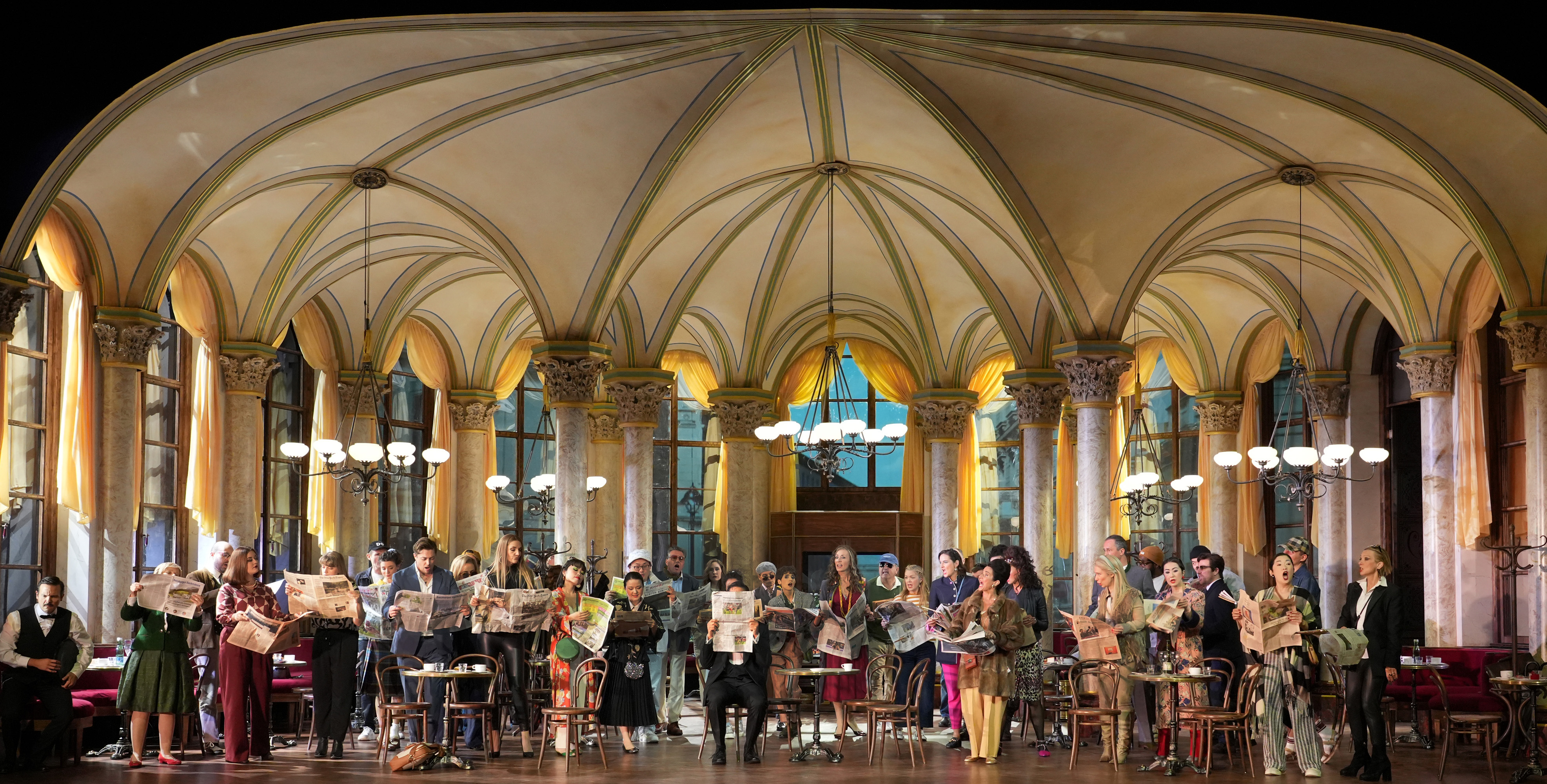
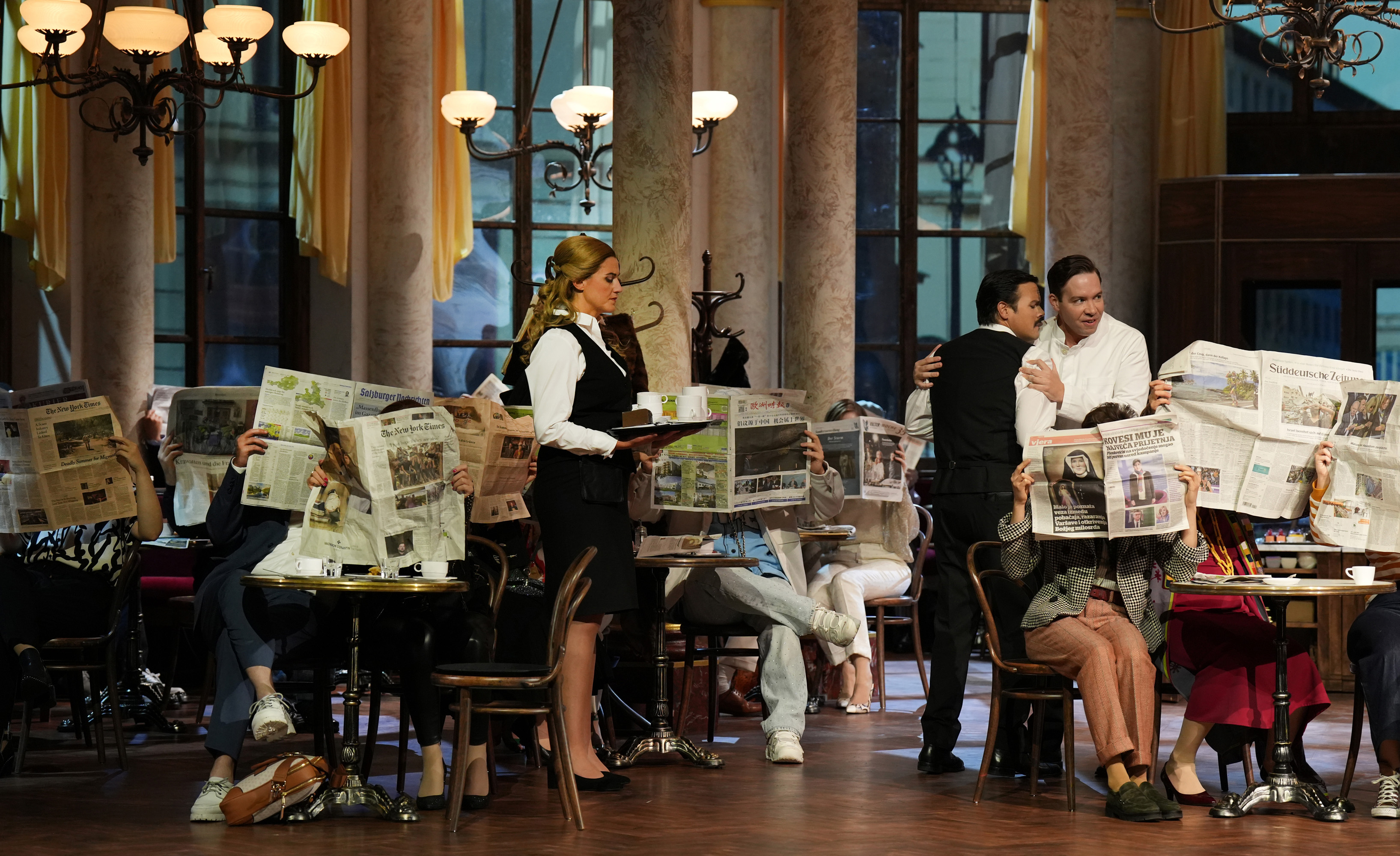
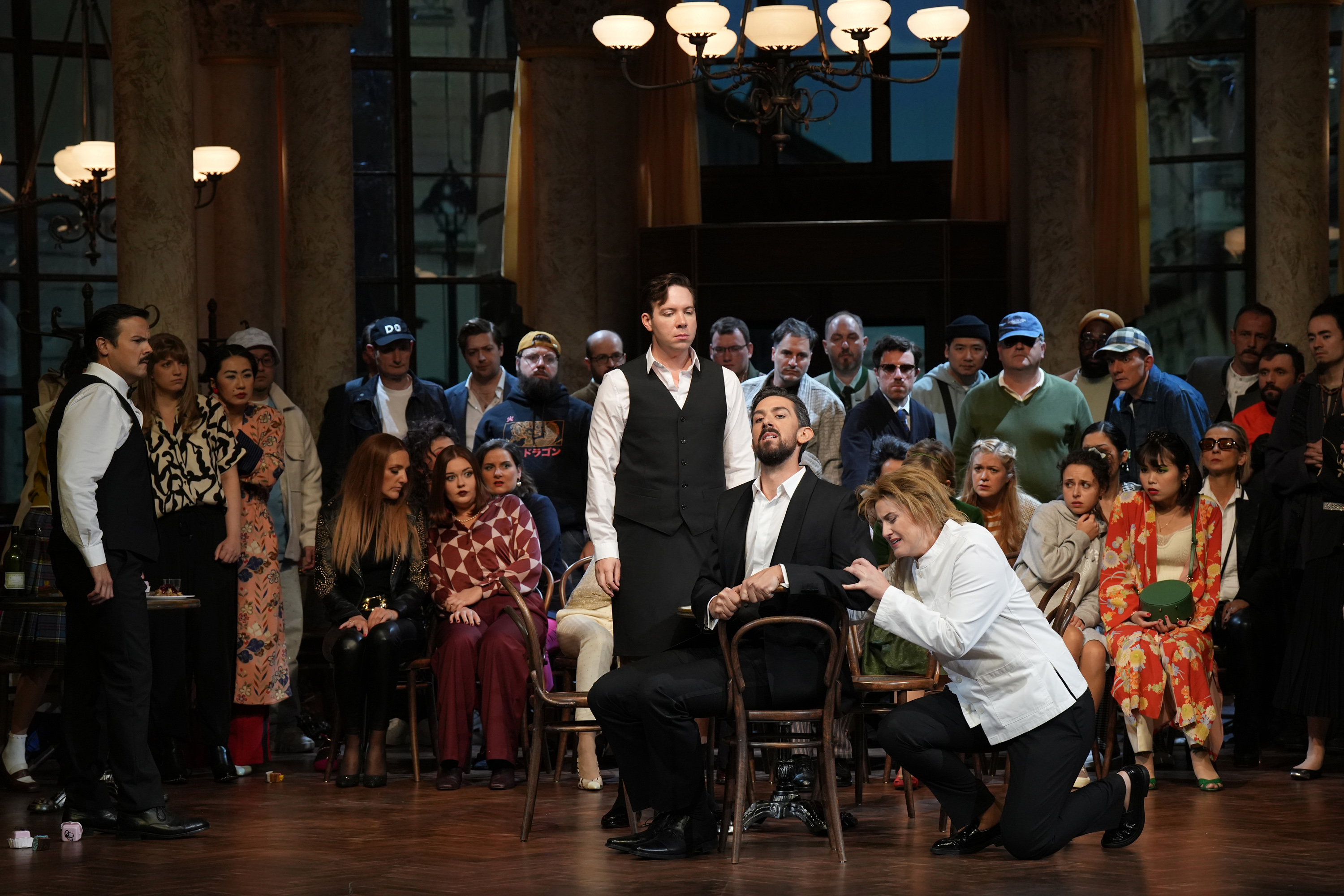
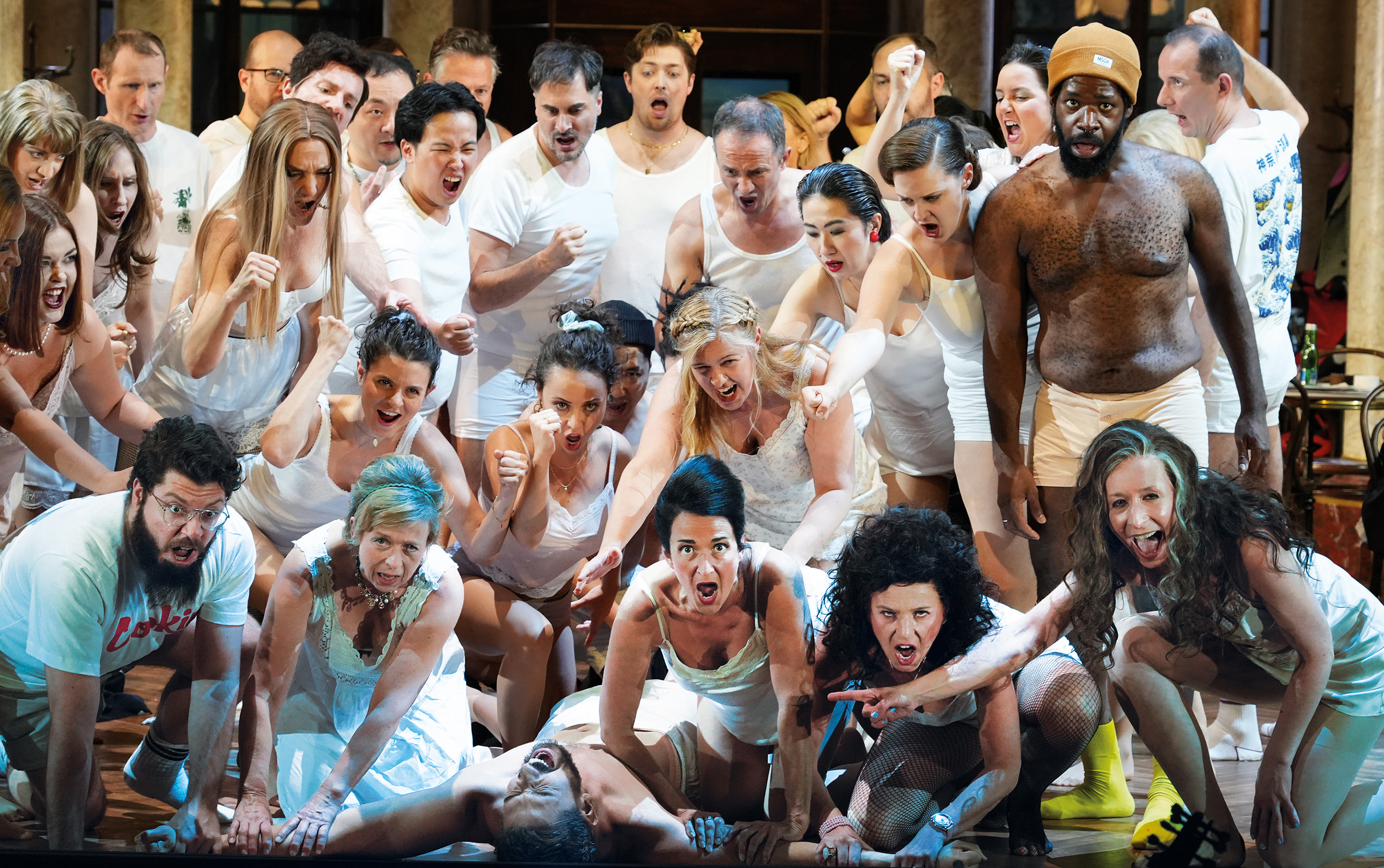
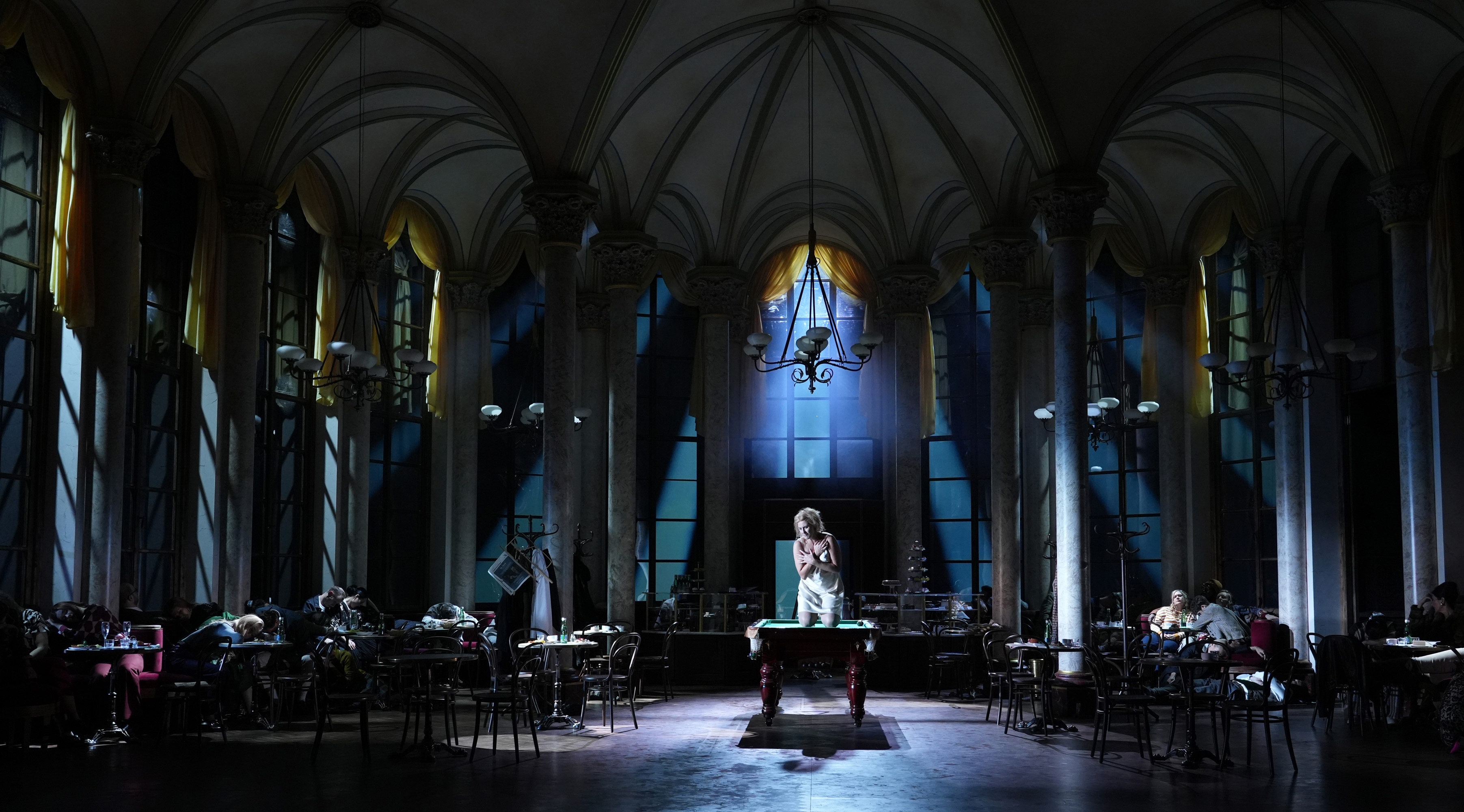
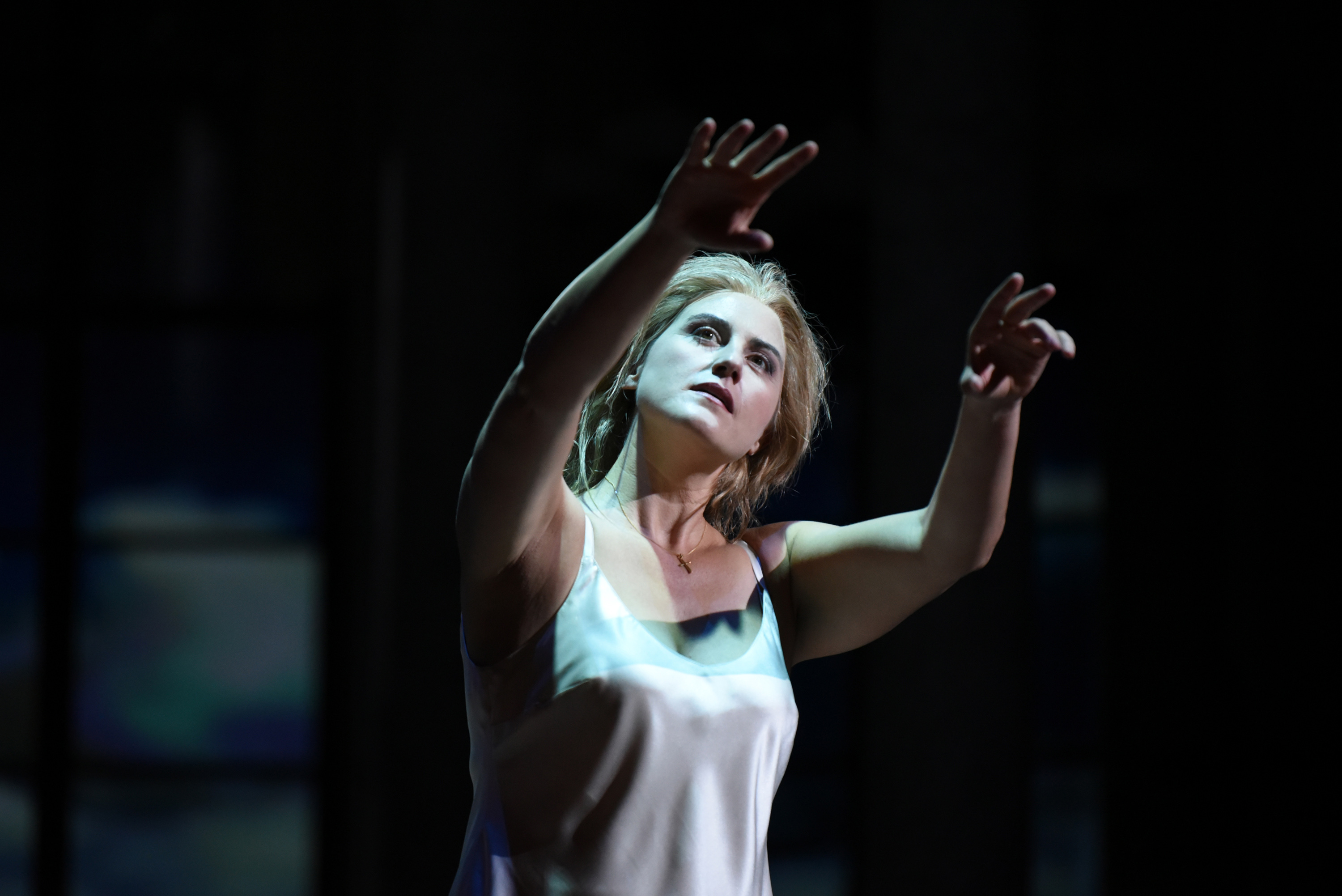
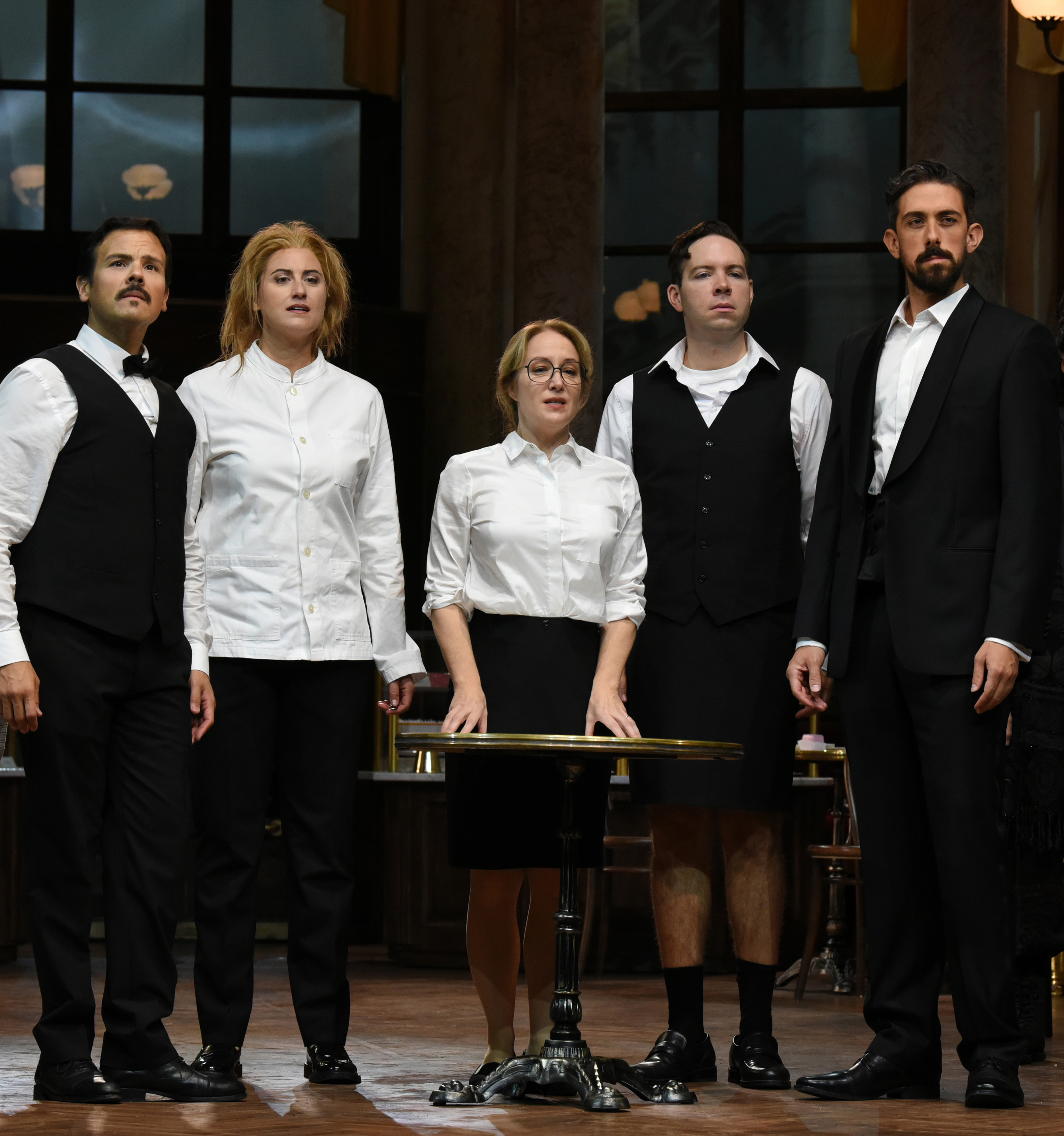
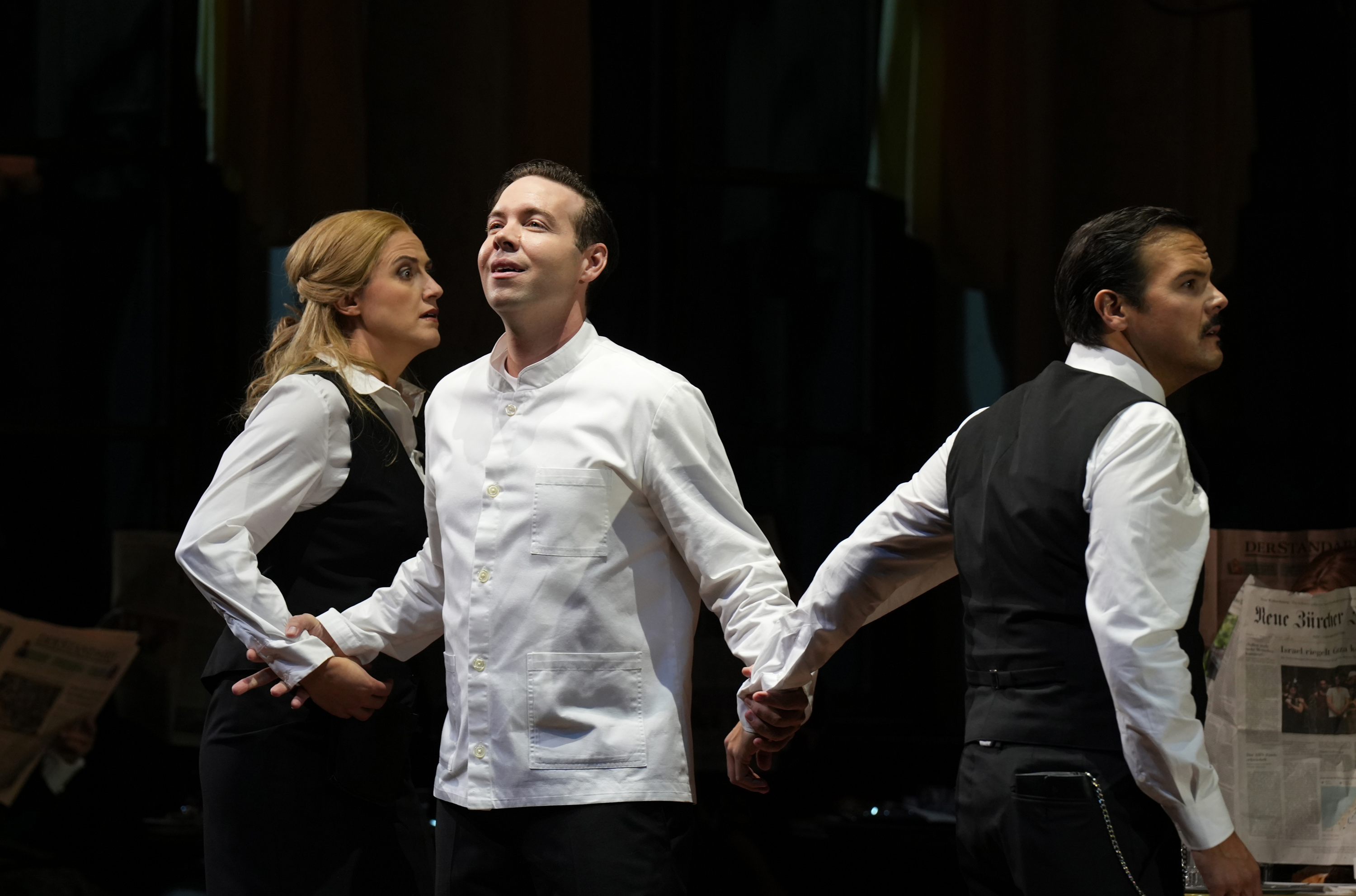
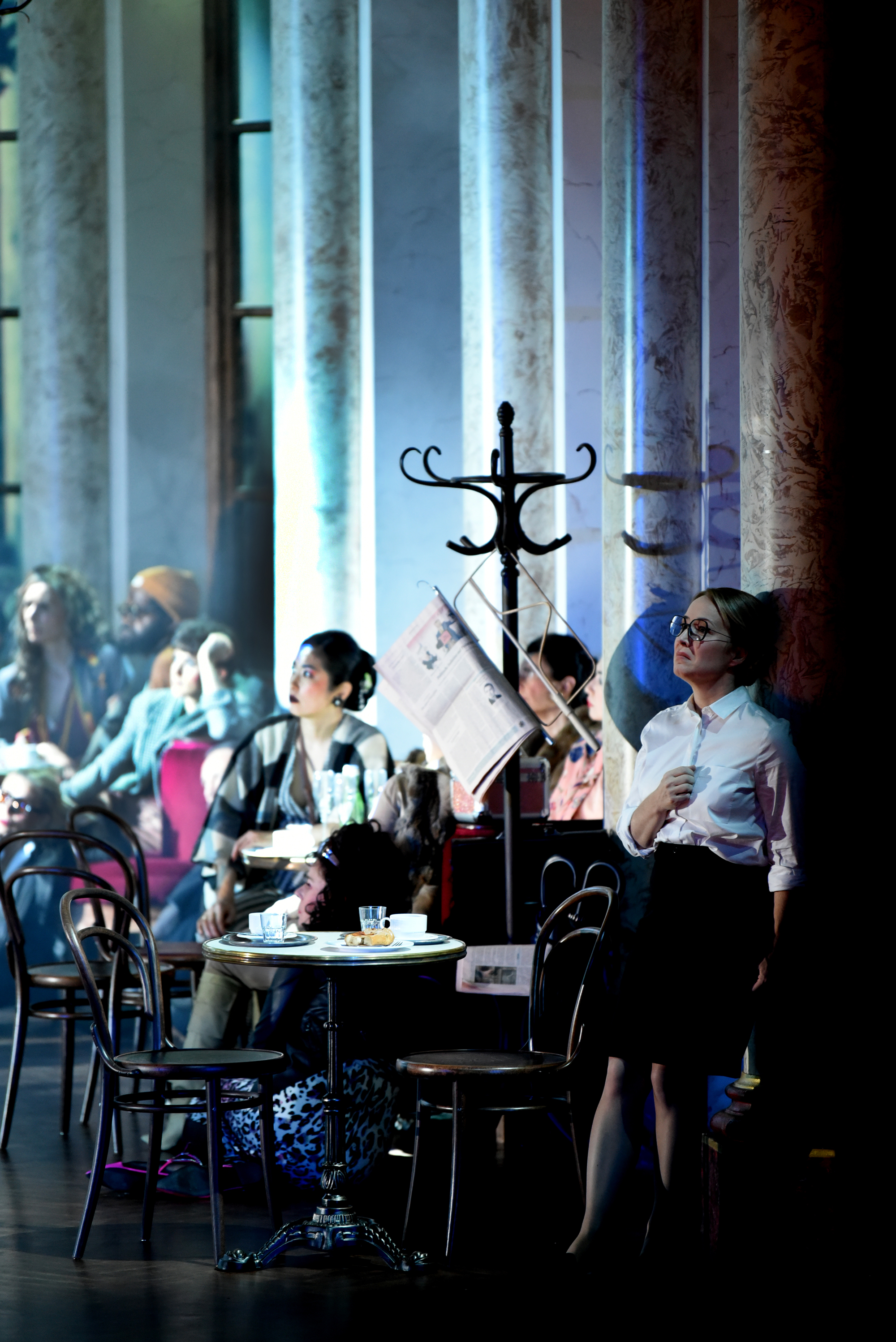
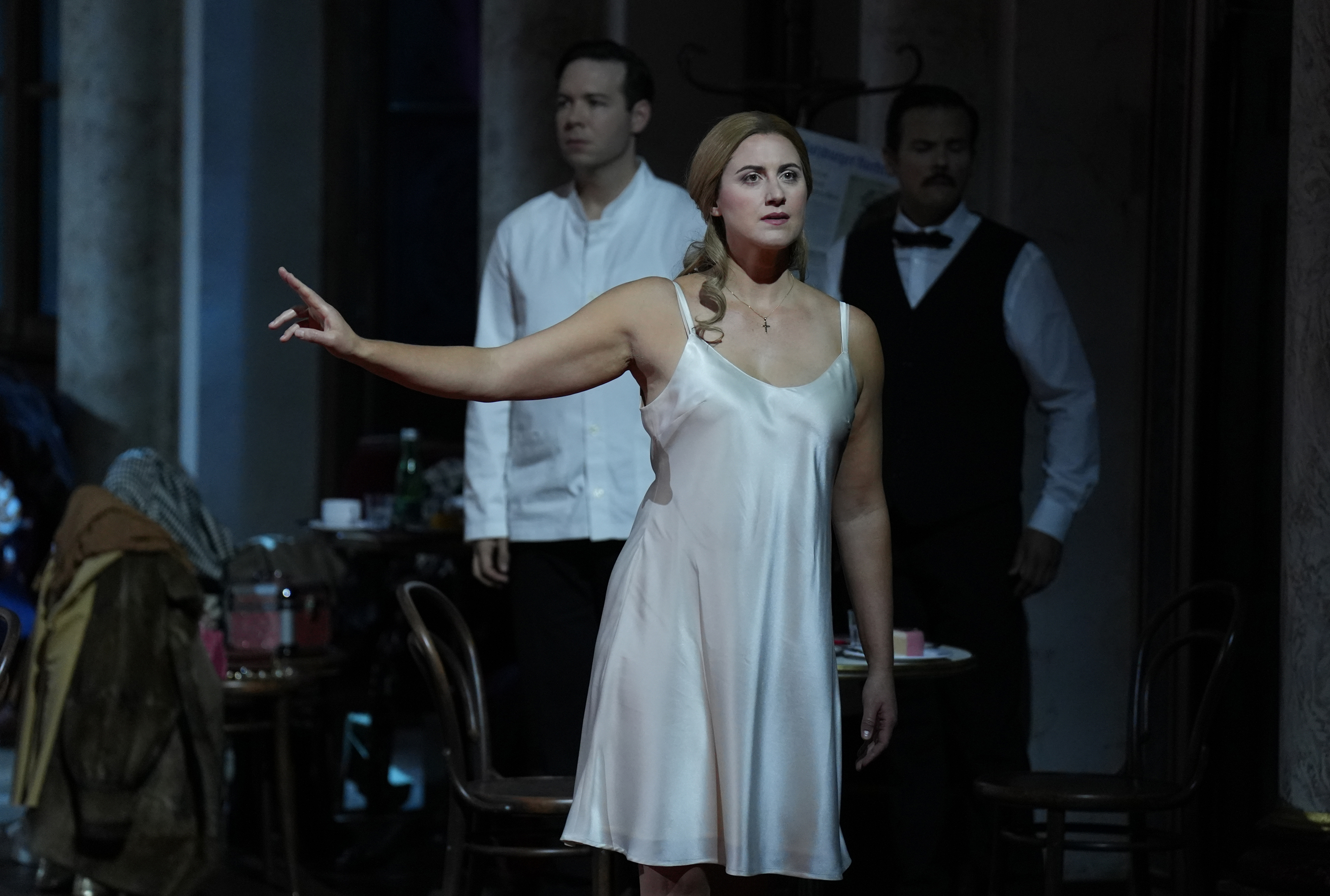
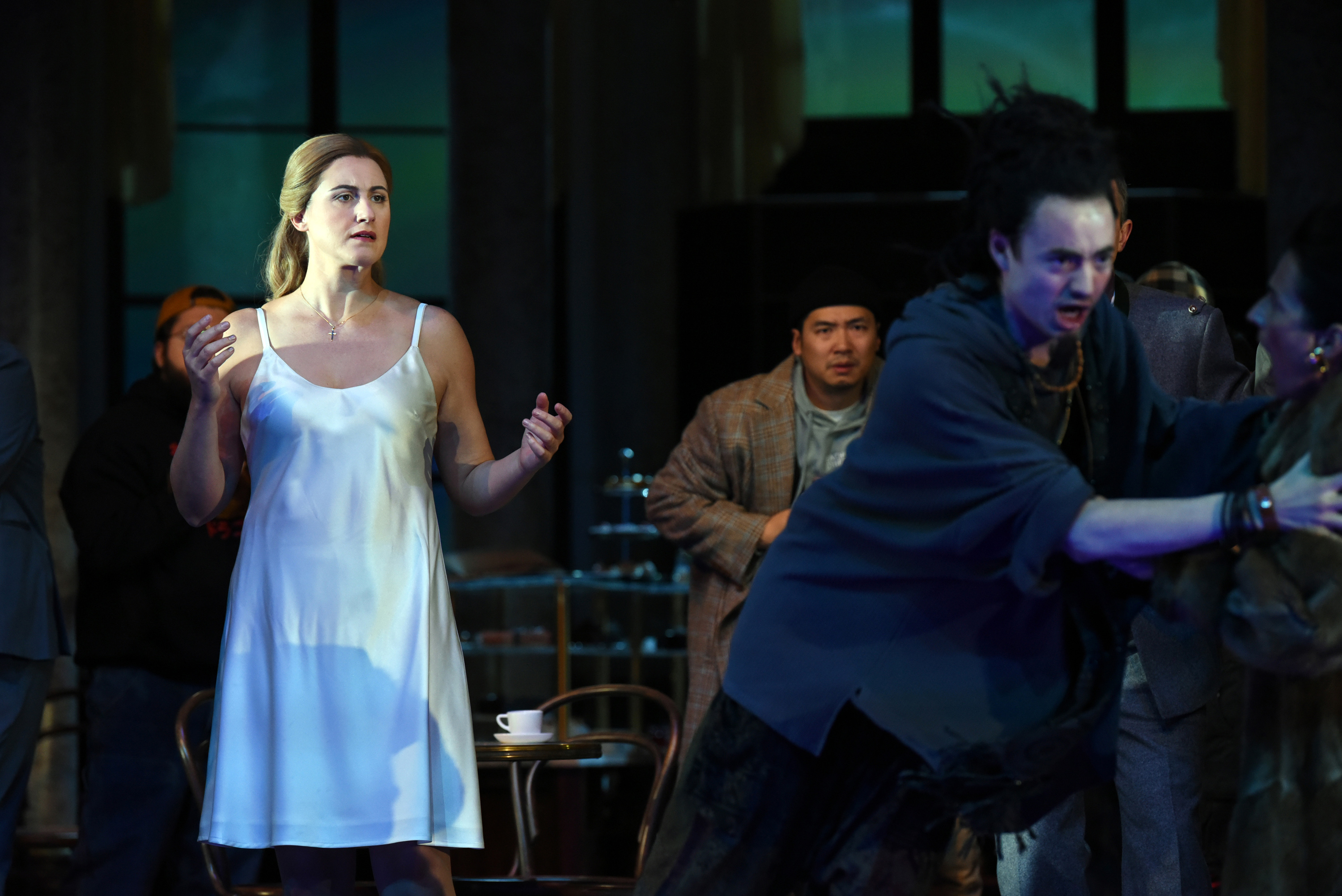
George Frideric Handel’s oratorio Theodora centres on a woman who displays a determination that today appears startling and disturbing. For Theodora, a princess who has converted to Christianity, earthly existence means nothing compared to the promise of eternal salvation. She disobeys the command issued by the Roman emperor to worship Jupiter, preferring instead to die in the name of freedom of religion. In this work, first performed in London in 1750, George Frideric Handel and his librettist Thomas Morell turned the tangible drama displayed in the martyr’s legend as handed down into an inner conflict, thereby creating a contemplative work about religious tolerance, Christian virtues and humanist values which inspired the erstwhile master of evocative opera seria to a work of unprecedented musical introspection. For director Stefan Herheim, this makes Theodora a beacon in the history of musical theatre which takes on new relevance against the background of the spiritual vacuum of consumerism and the lack of spiritual direction that characterise our times. The globally celebrated counter-tenor and Handel specialist Bejun Mehta debuts as a conductor at the MusikTheater an der Wien with the La Folia Barockorchester.
In English with German and English surtitles
Introduction to the work 30 minutes before curtain-up
Trailer
La Folia Barockorchester
Arnold Schoenberg Chor
(Leitung: Erwin Ortner)
Act 1
The Roman governor in Antioch, Valens, announces a new law obliging everyone to make a sacrifice to the god Jupiter on the emperor’s birthday. Anyone who refuses will be executed. The officer Didymus vainly asks that an exception be made for those whose faith forbids them from worshipping any other gods. Didymus sympathises with the Christians who refuse to make sacrifices to Jupiter. Princess Theodora, a fresh convert to Christianity, is ready to die for her beliefs. But to her horror she learns that instead of being executed she is to be forced into prostitution. Didymus is determined to rescue the princess.
Act 2
Didymus confesses to his comrade Septimius that he has converted to Christianity and is in love with Theodora. Impressed by his courage, Septimius allows him to visit Theodora in prison. There he offers to save her by swapping clothes with her so that she can escape. But Theodora demands that Didymus kill her to save her honour as a virgin. When he refuses because he does not wish to be a murderer she agrees to his plan.
Act 3
Having fled, Theodora is joyfully received by the Christians. Then she hears that Didymus is to be condemned to death and that Valens is also planning a horrific death for her too. But because her purity is no longer at risk she gives herself up to the Romans. Didymus defends his actions by saying that the punishment that had been planned for Theodora justified her rescue. Theodora insists that she should be condemned instead of Didymus. But Valens shows no pity and sentences both of them to death. Looking forward to the prospect of heavenly bliss, the two go to their deaths.